
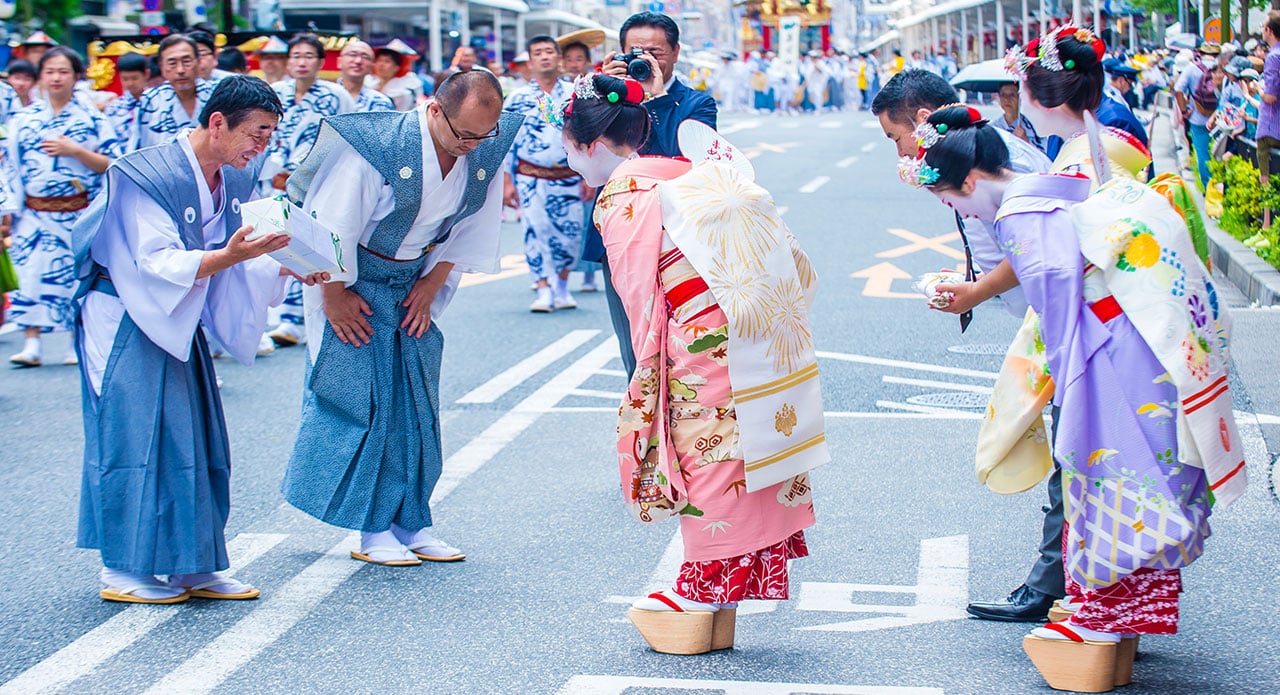
Every Indian knows the magic of “jugaad” – that wonderfully flexible word that loosely translates to “we’ll manage.” Paired with its equally popular cousin, “Arrey, dekhi jayegi,” it forms the backbone of how we navigate everything – from booking last-minute restaurants to squeezing onto packed trains with waiting-list tickets.
Improvisation and finding a quick fix is practically part of our DNA. Japan, however, runs on an entirely different rhythm. Where we thrive on resourcefulness and improvisation, they flourish in structure. Their world is shaped by discipline, punctuality, ceremony and an almost poetic respect for order.
With Japan now emerging as one of the most coveted winter destinations for Indians, this contrast feels even more striking. A recent Cox & Kings report shows a 15% surge in demand for travel between December and February compared to the previous year. Much of this interest is driven by the country’s extraordinary winter illuminations – light festivals that transform entire neighbourhoods into shimmering dreamscapes. From the dazzling shows at Tokyo Skytree to the magical tunnels at Nabana no Sato and Tokyo’s famous Shibuya Blue Cave, Japan’s winter glow has become the newest obsession for Indian couples, families and young explorers.
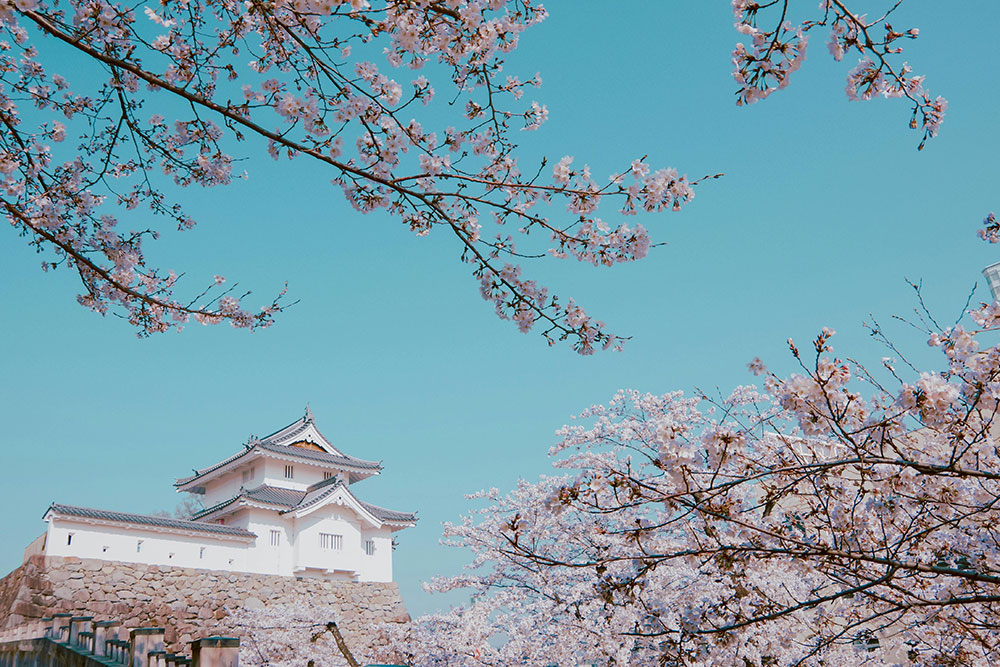 Cherry Blossom Season In Japan
A month before, on my own trip, my husband, who has collaborated with Japanese counterparts for years, handed me a detailed list of behavioural codes. He explained how to greet people, how deeply one must bow when speaking to someone older or of higher status, and why the duration of the bow matters. He warned me against speaking loudly in public (a habit I admittedly struggle with), reminded me that traffic rules are followed to perfection, and generally tried to prepare me for what he called “a culture of immaculate discipline.” I laughed at first, assuming he was simply overemphasising. Then I landed in Tokyo – and immediately realised that every word he had said was true.
Also Read: 8 Japanese Skincare Products I Bought (And Loved) In Japan: Local Favourites, Dermatologist-Approved
With more Indians than ever choosing Japan as their winter escape, here’s the etiquette handbook I received before my trip – courtesy of my husband, along with a few lessons I picked up once I arrived in Japan. It’s designed to help you navigate Japan with confidence and cultural sensitivity, ensuring your holiday is as seamless as it is spectacular. And honestly, travellers of all nationalities will find it just as useful. (You’re welcome!)
1. Carry A Personal Waste Bag Everywhere
The first thing that struck me in Tokyo, and later in Osaka and Kyoto was how impossibly clean everything looked. Not a wrapper, not a stray tissue, not even a leaf out of place. And yet, good luck finding a dustbin anywhere.
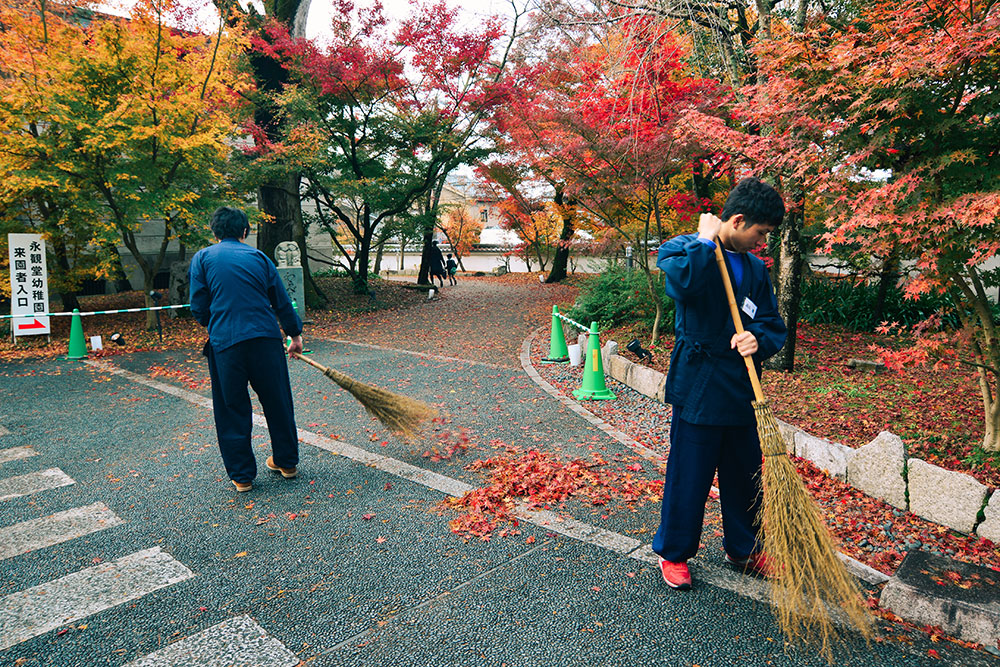 Autumn In Japan
The Japanese usually carry their trash home or dispose of it at designated collection points. As a visitor, you simply cannot litter. It will stand out immediately, and not in a good way.
Pro Tip: Carry a small, foldable/reusable waste pouch in your handbag.
2. Never Stick Chopsticks Vertically In Rice
This was one of the first etiquette rules drilled into me: never place chopsticks upright in a bowl of rice (tatebashi). In Japan, this is symbolic of funeral offerings. When you’re done eating or taking a pause, place them across the bowl or on a chopstick stand.
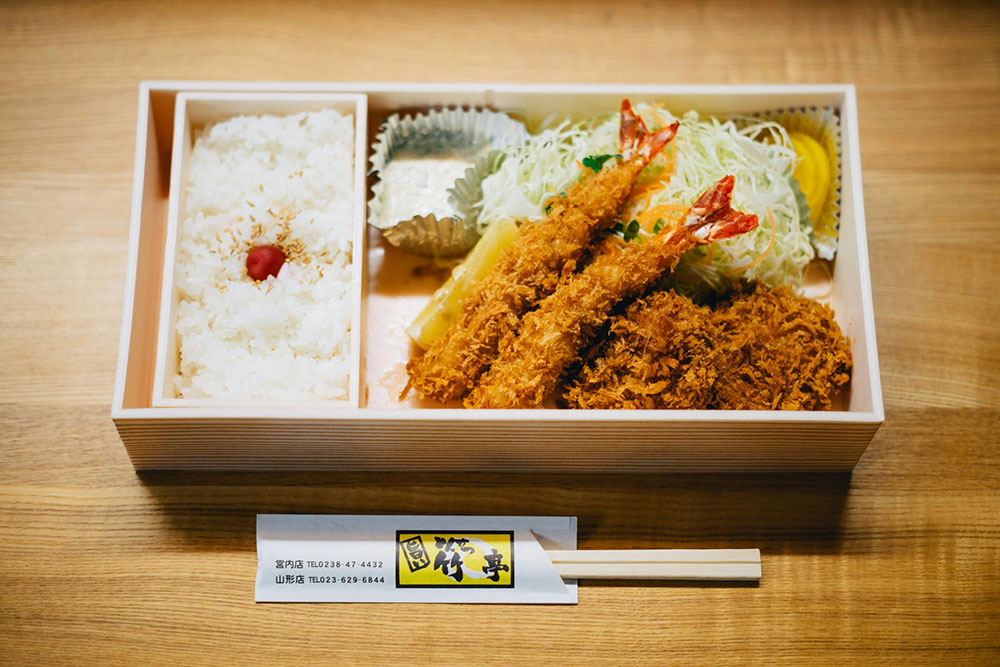 Japanese Meal
Pro Tip: If you’re not a chopstick ninja yet, grab a disposable fork from your hotel. It can save you from awkward fumbling in a packed ramen shop.
3. Be Silent On Public Transport
Before I travelled, my husband warned me about this multiple times. And he was right. Japanese trains and buses are unbelievably silent. Phones are on silent mode and no one speaks loudly, not even accidentally, whether you’re riding the metro or a long-distance Shinkansen.
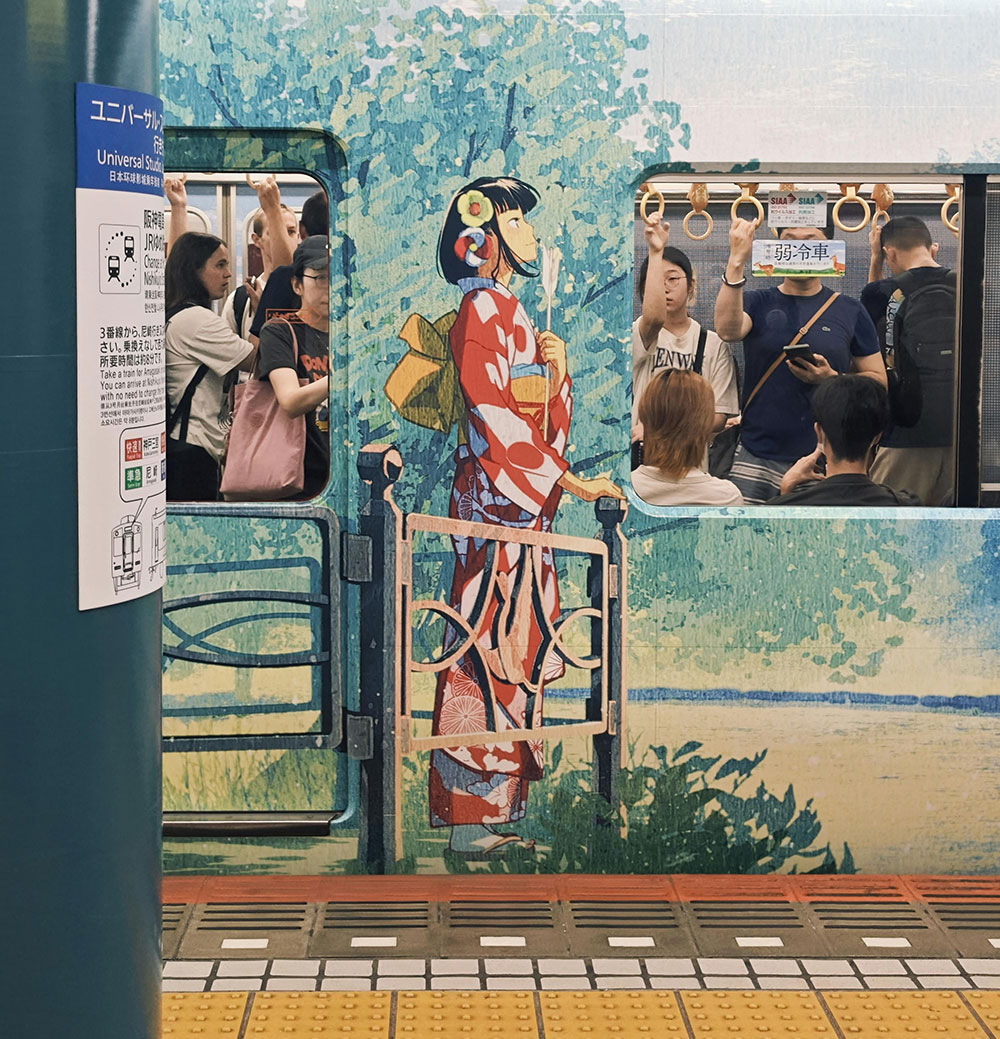 A Typical Day On the Metro In Japan
For me, riding from Tokyo to Kyoto, it felt like the entire train had turned into a silent movie, everyone quietly watching the scenery and savouring the peace.
Pro Tip: Don’t forget your headphones for these peaceful rides.
4. Never Cut Queues
Queuing in Japan is almost a cultural art form. People line up neatly, quietly and with an enviable amount of patience.
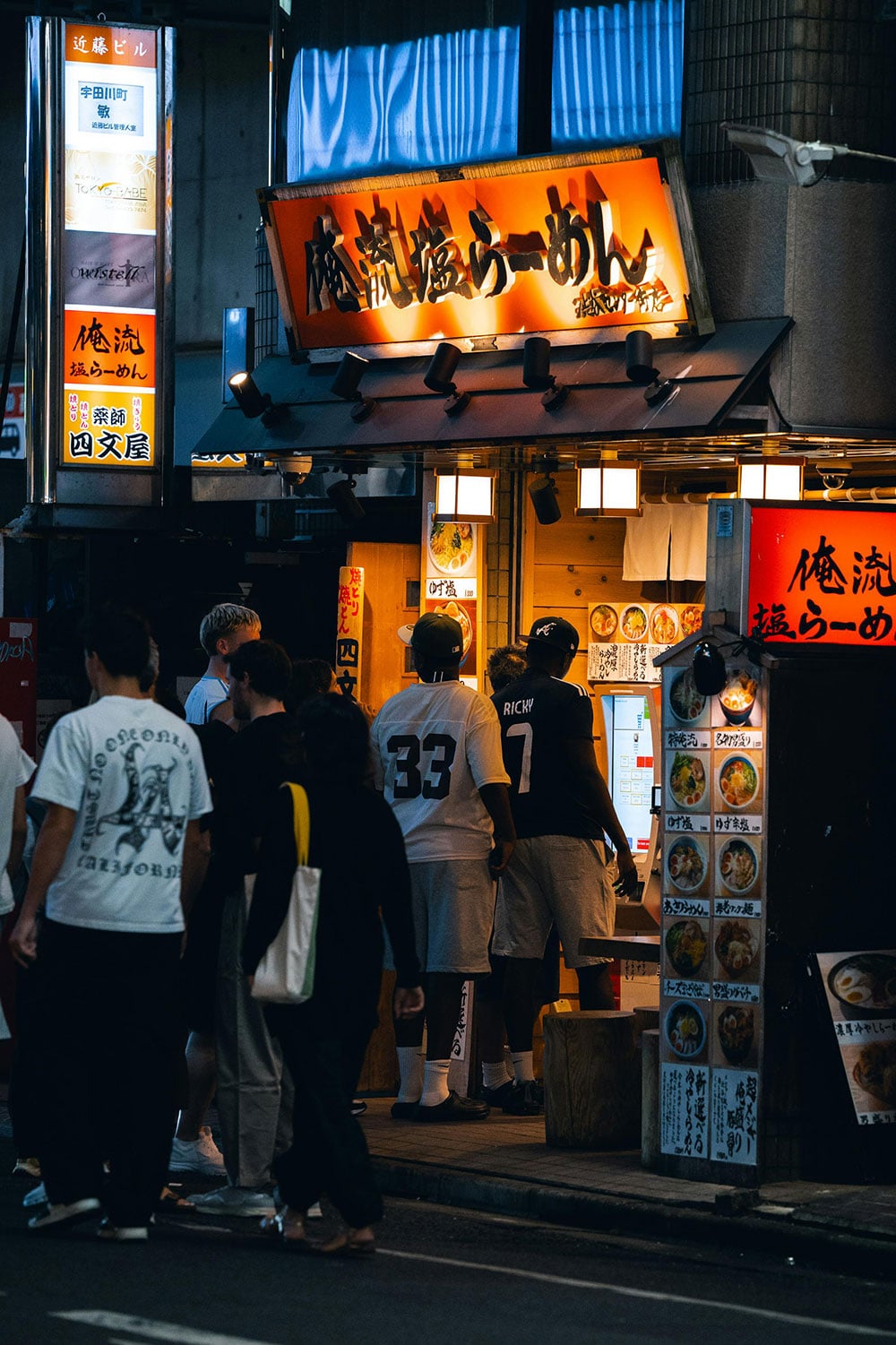 People Queuing Up Outside Ramen Shop In Japan
I, too, had to wait for nearly 40 minutes outside a popular ramen shop at Tokyo Station. At first, I felt a bit annoyed and impatient. I was even tempted to sneak ahead. But one glance around me was oddly comforting: everyone in line was patiently and peacefully waiting their turn.
Pro Tip: If a queue looks too long, check if the restaurant uses a ticket vending machine; you may be able to book your spot digitally and return at the right time.
5. Keep PDA Minimal
Japan is not a country where you’ll find couples kissing at street corners or hugging at train stations. Holding hands is fine, but beyond that, public displays of affection are considered disrespectful and uncomfortable for those around you.
 A Couple Kissing Passionately
Pro Tip: If you want a picture-perfect romantic moment, save it for a quiet alleyway in Gion or a scenic bridge in Arashiyama.
6. Follow Shrine Etiquette
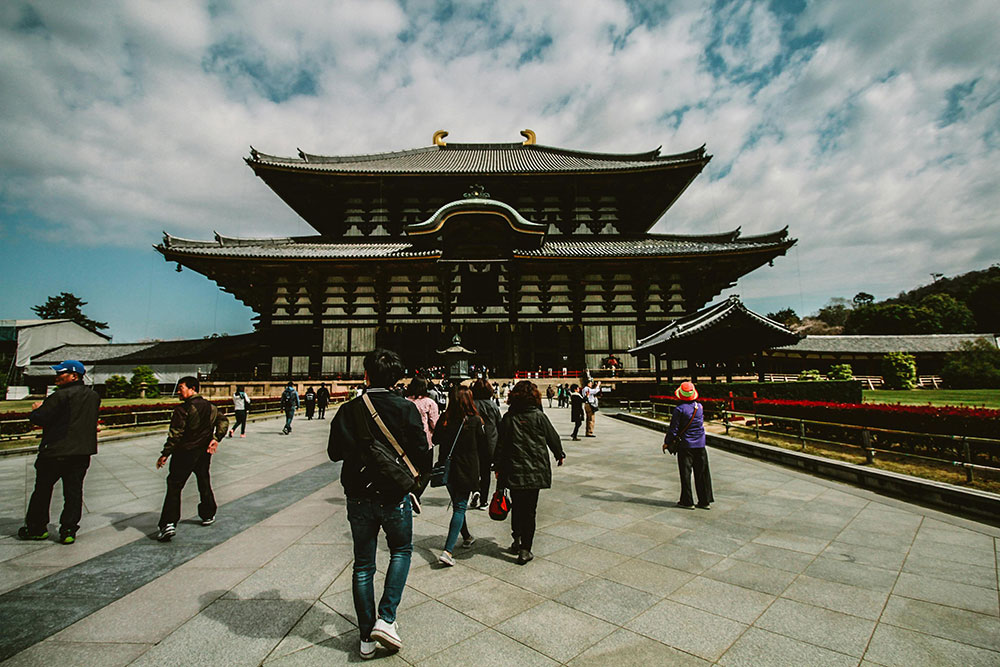 People Outside Temple
Shrines and temples in Japan are sacred, not tourist backdrops. Most have purification stations where you rinse your hands and mouth before entering. Once you step inside, keep your voice low and your phone out of sight. There’s so much to notice and enjoy if you just slow down and take it all in.
Pro Tip: If you must take videos, do so quietly without getting noticed.
Also Read: 5 Journeys You Can Take Entirely By Helicopter
7. How To Bow In Japan
When in Japan, you’ll notice bowing everywhere – while greeting someone, apologising, thanking, or even ending a conversation. As a tourist, you’re not expected to bow perfectly, but a small, respectful nod is deeply appreciated.
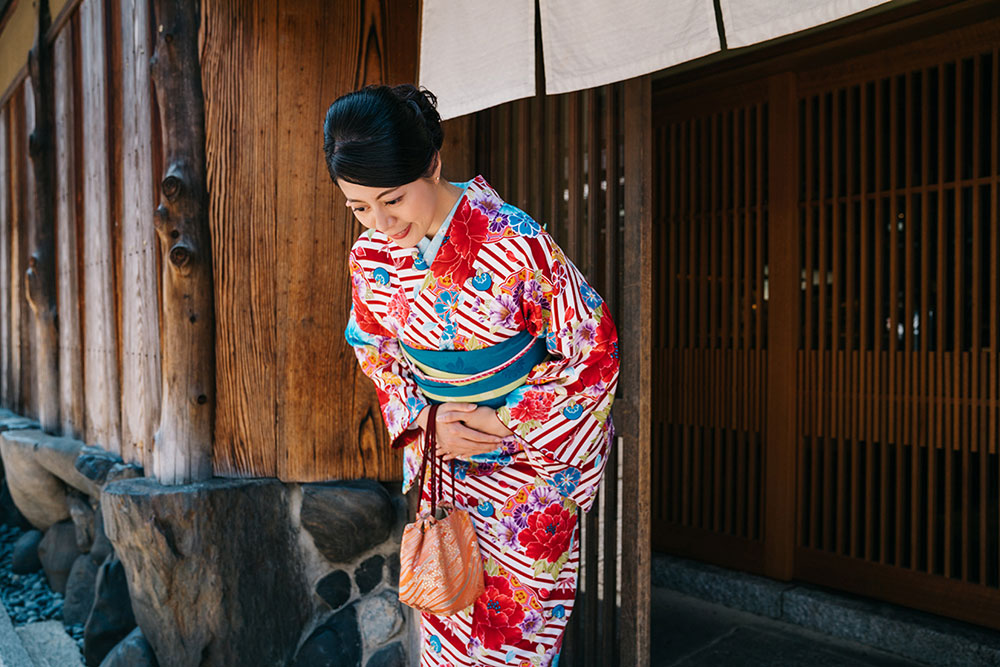 A Lady In Kimono Bowing Out Of Respect
Pro Tip: When in doubt, bow once – softly, slowly and with sincerity. It works in every situation.
8. Learn A Few Basic Japanese Phrases
Just two or three words can transform your experience in Japan. “Sumimasen” (excuse me / sorry) and “Arigatou gozaimasu” (thank you so much) go a long way. Trust me, nothing melts a Japanese shopkeeper faster than hearing a visitor attempt their language.
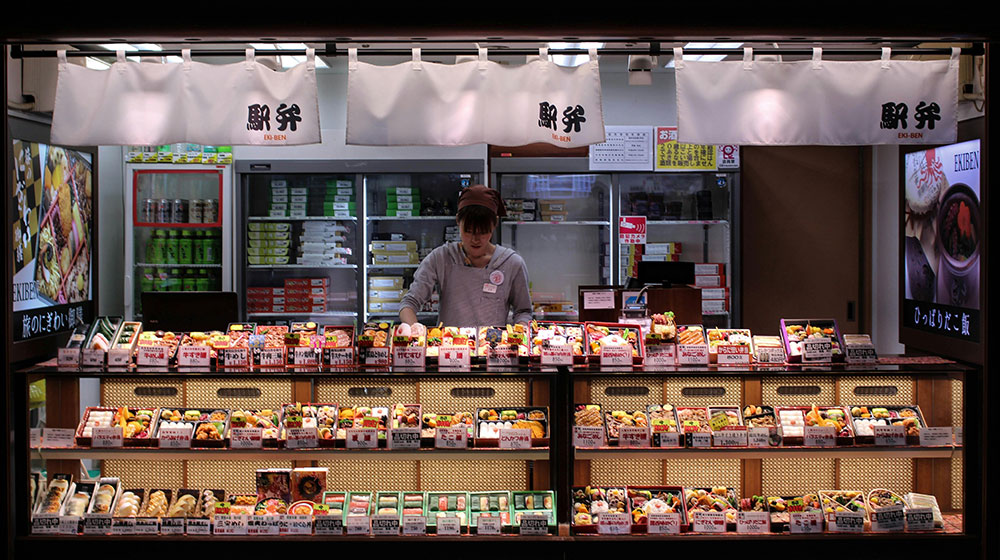 Japanese Shopkeeper
Pro Tip: If you forget everything else, remember “Arigatou gozaimasu”.
9. Smoke Only In Designated Zones
Japan takes smoking rules seriously. You cannot smoke while walking on the street, in public areas or randomly outside shops.
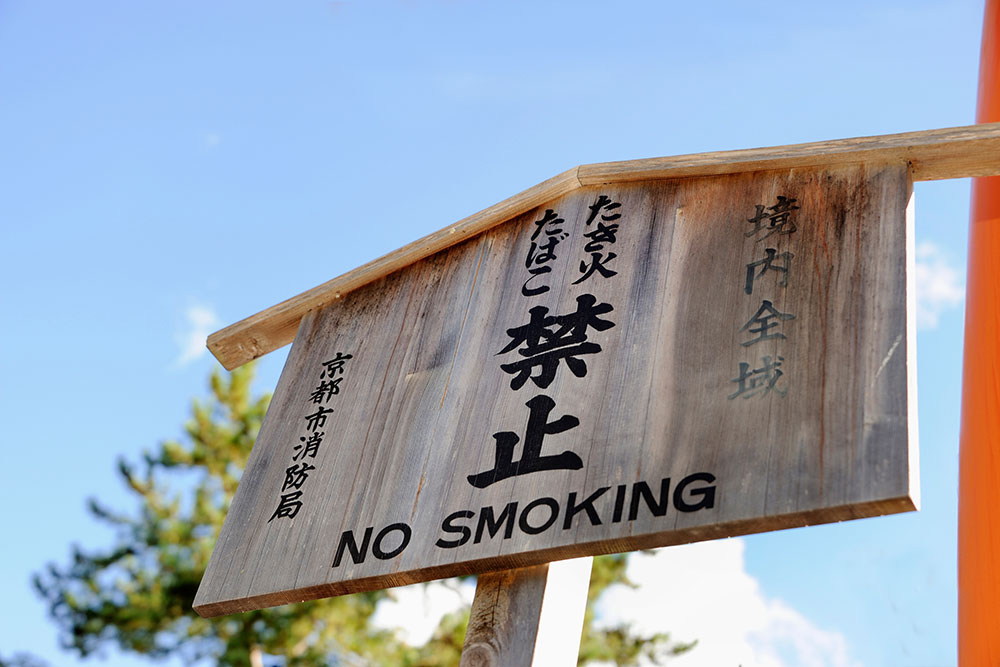 No Smoking Sign In Japan
In fact, most hotels have non-smoking rooms. Most places have designated smoking rooms, but occasionally you might end up walking 2–3 miles before spotting one. Some cafés let paying customers smoke a single cigarette while dining.
Pro Tip: Look for signs that feature a cigarette in a circle with wavy smoke if it’s written in Japanese.
Also Read: Why Singapore Is The Ultimate Luxury Escape Everyone’s Talking About
10. Do Not Tip
This surprises most travellers. In Japan, tipping is seen as unnecessary, even somewhat rude. Excellent service is considered a matter of pride, not something to be paid extra for. A heartfelt “Arigatou gozaimasu” means more.
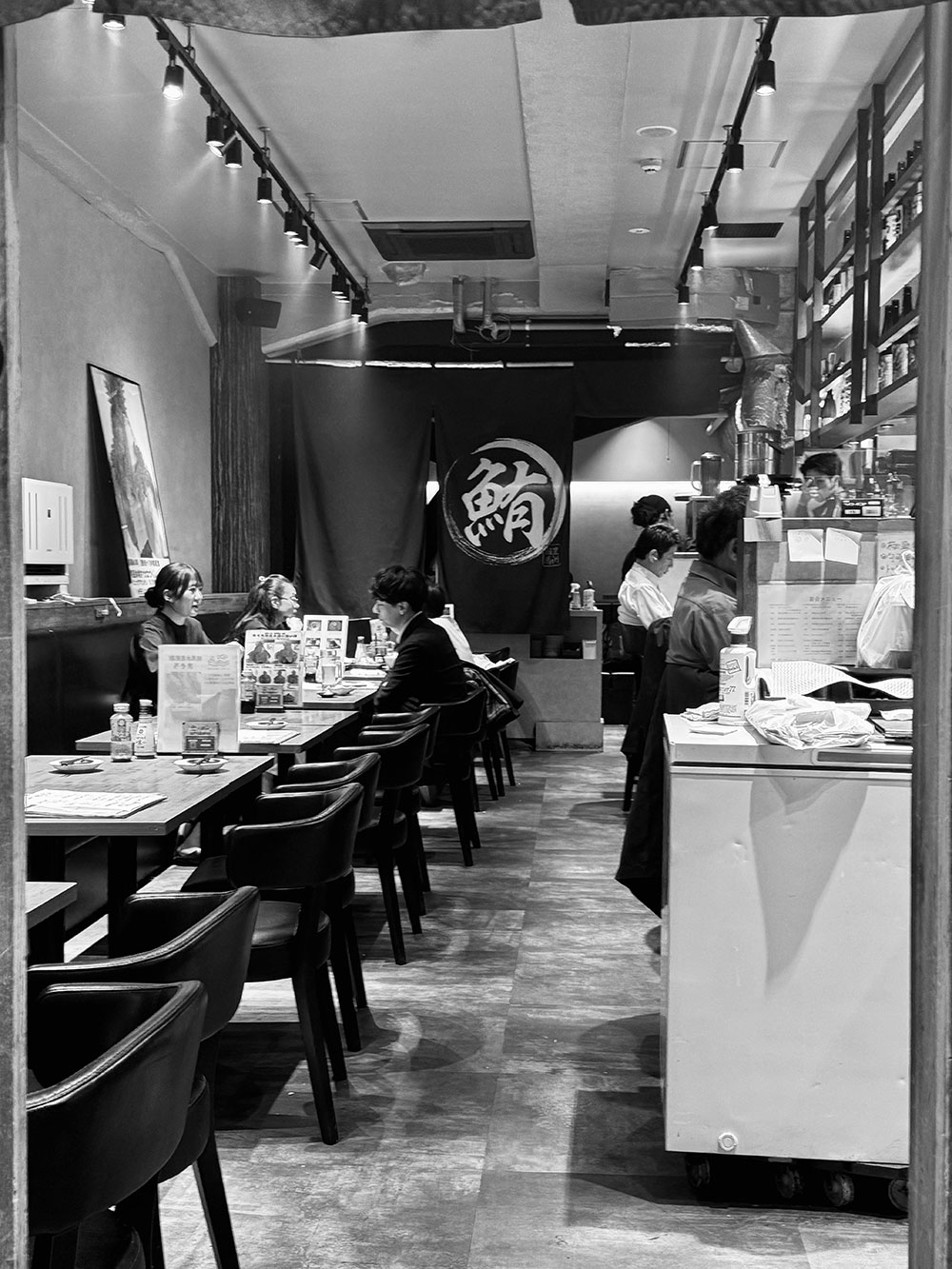 A Normal Restaurant Scene In Tokyo
Pro Tip: When paying by cash, place your money on the small tray provided – never hand it directly to the cashier unless they offer their hands.
11. Avoid Eating While Walking
I know! Most cities practically run on grab-and-go eating. But in Japan, eating while walking is seen as messy and disrespectful. If you buy street food, sit somewhere or stand near the stall and finish it calmly.
Also Read: 7 Michelin-Starred Voyages: Gourmet Cruises For Gourmet Travellers
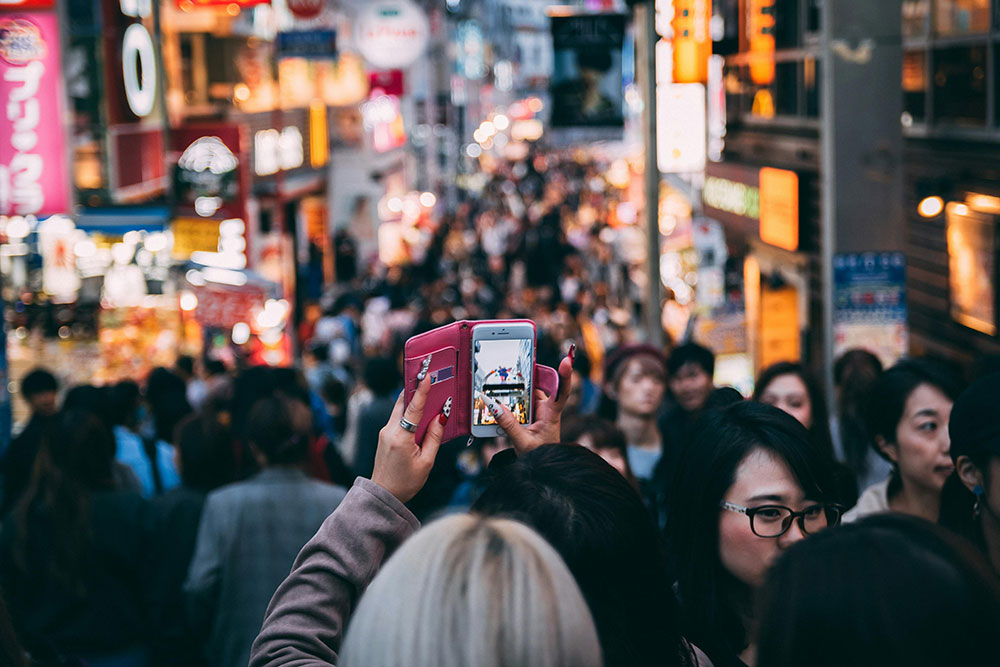 Busy Street In Tokyo
Pro Tip: Convenience stores like 7-Eleven and FamilyMart have tiny seating nooks outside. They’re perfect for quick meals without breaking etiquette.
12. Shoes Off
When you visit a Japanese home, don’t be surprised if everyone’s barefoot or in slippers. Shoes stay at the door to keep the place clean and show respect for the home. Most places have an entrance (genkan) where you swap your shoes for indoor slippers – and you’ll see this in temples, hospitals, and even some restaurants too. In fact, most places have a special pair of slippers for the toilet, so be sure to change before going in.
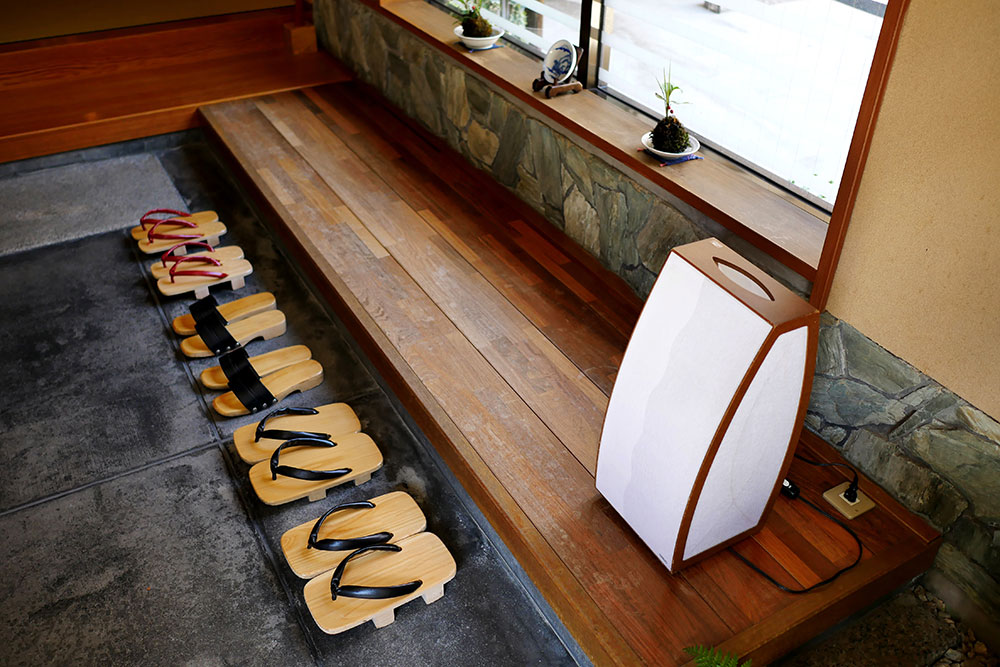 Japanese Genkan
Also, never walk on tatami mats in slippers. Go barefoot or wear socks – tatami holds cultural significance and requires careful handling.
Pro Tip: Wear socks without holes. You’ll be slipping your shoes off more often than you expect.
13. Never Be Late
Japanese people take punctuality and discipline very seriously. They respect everyone’s time, so if you have an appointment, aim to arrive at least five minutes early because being late can leave a very poor first impression.
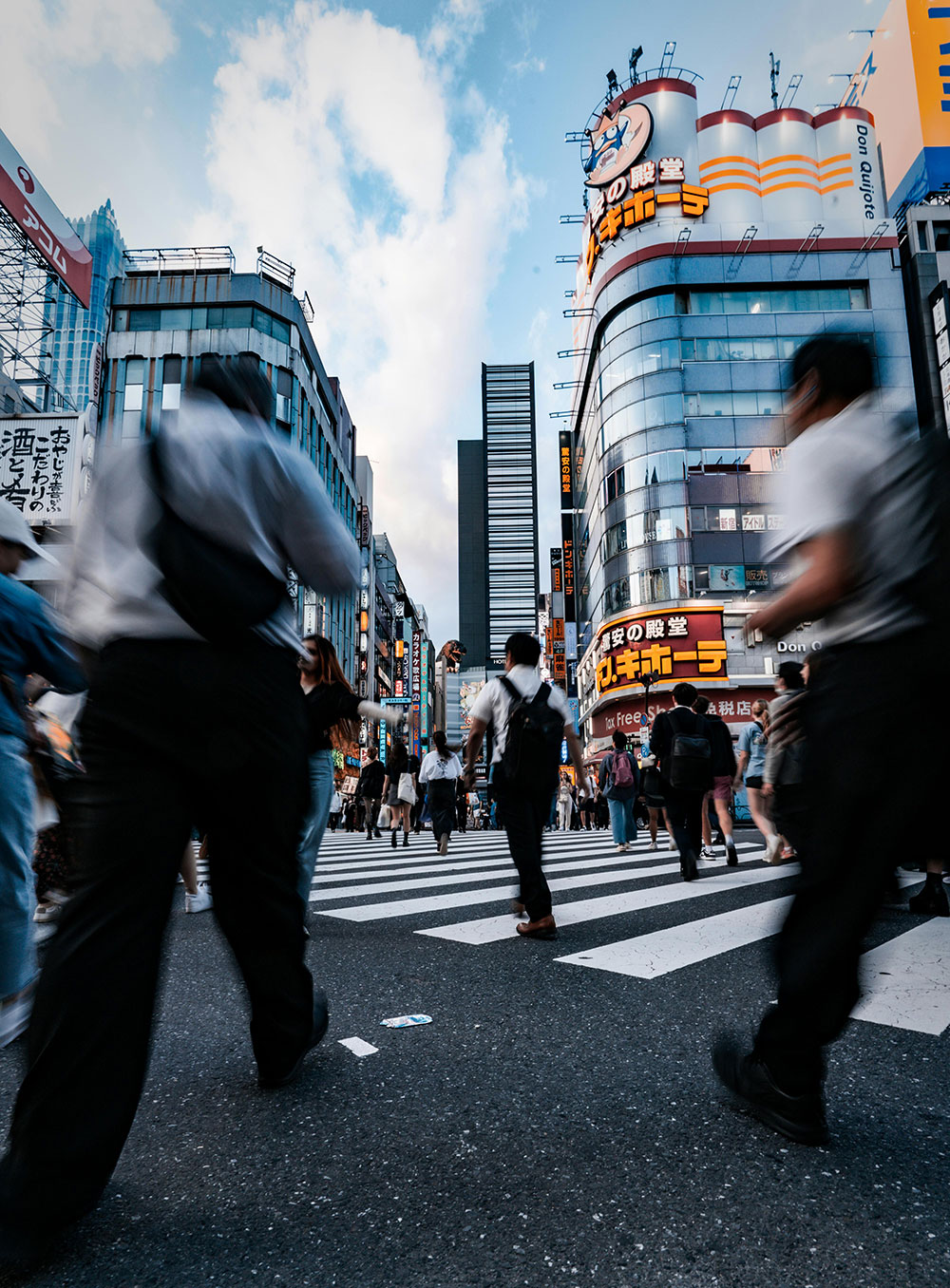 A Busy Road In Japan
Pro Tip: Set your clock ten minutes early for the entire trip.
14. Always Follow Traffic Rules
Unlike many other cities, Japan takes traffic rules very seriously. Pedestrians stick to the sidewalks and almost never walk on the road. You’ll also notice large crowds patiently waiting to cross the street. Everyone follows the rules with remarkable care.
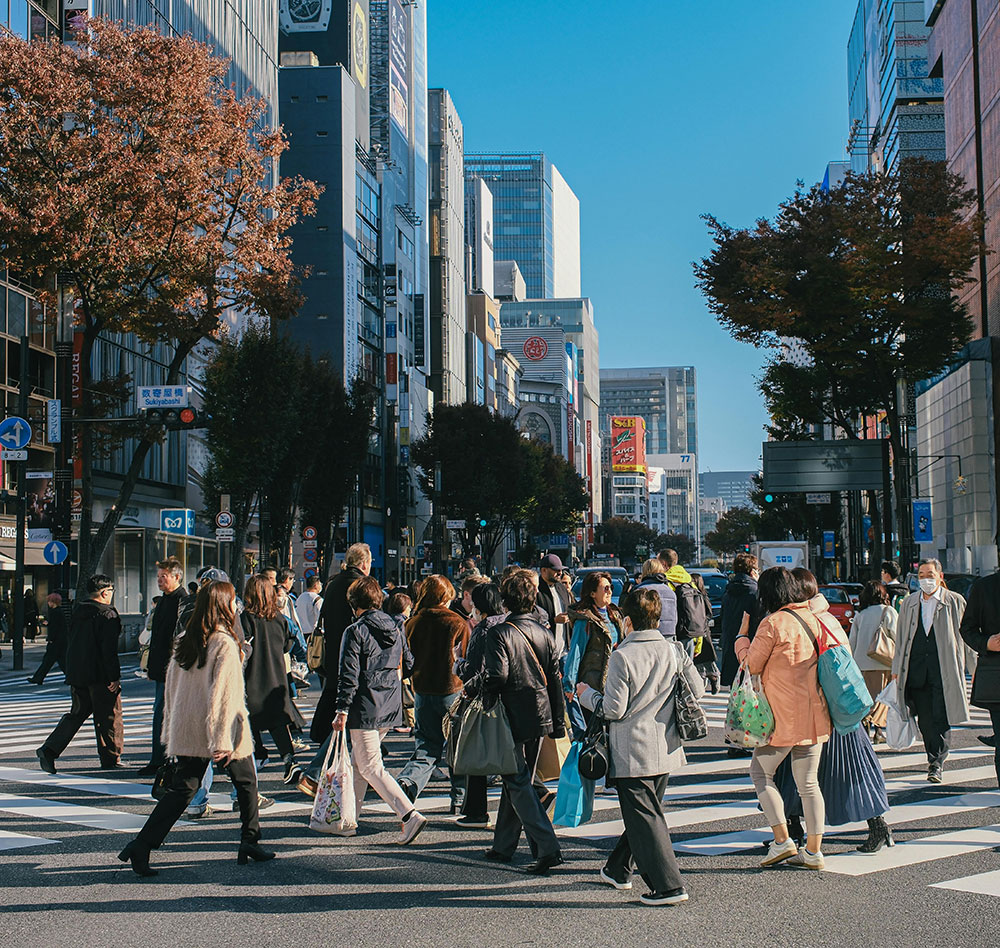 People Crossing Road In Tokyo
Pro Tip: Watch the locals. If no one is crossing, don’t cross. The rule is simple.
15. Respect Onsen And Bathhouse Privacy
No visit to Japan is truly complete without trying a traditional Japanese bath. Whether you choose a sento (public bath) or an onsen (hot spring), it helps to know the proper etiquette. In most places, baths are separated by gender, so you’ll need to be fully undressed before entering. A few locations have mixed-gender baths, where wearing a swimsuit is required.
Also Read: The 7 Most Luxurious Swimming Pools In The World
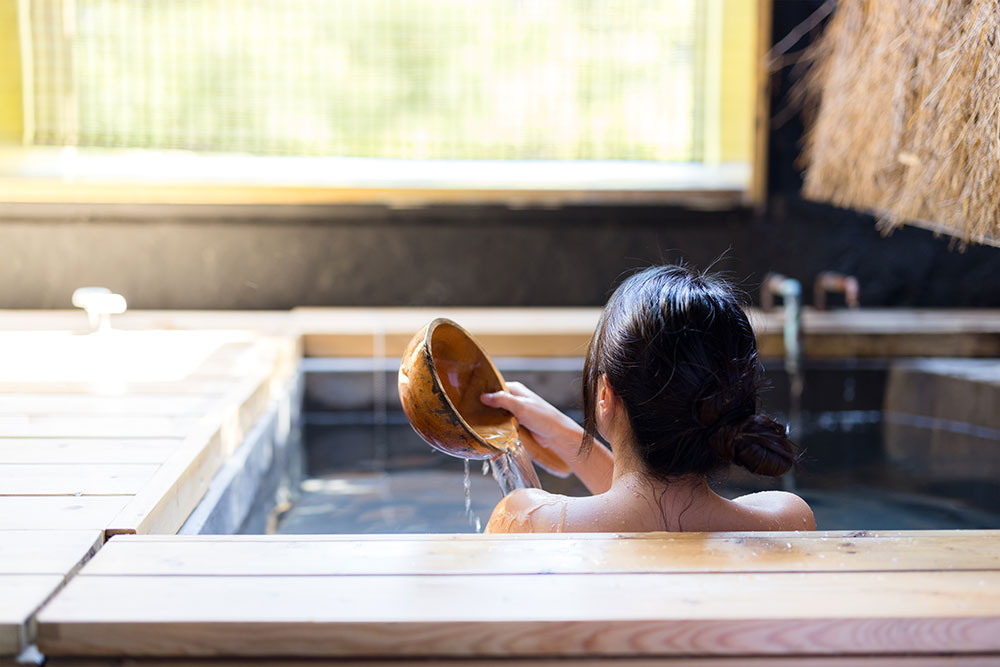 Young Woman Relaxing In Hot Spring
Onsen facilities usually provide shampoo, body wash, and towels, but in public baths, you may need to bring or rent your own.
Above all, don’t bring your phone inside, and if you do, taking photos is absolutely forbidden.
Pro Tip: Carry a small towel or bathing suit, just in case you’re allowed. Some places permit clothes.
Japan Travel Hacks You’ll Appreciate
Carry cash for small shops, grocery stores and markets
Use Suica or Pasmo cards for seamless transport
If traveling long distances, consider a JR Pass
For tax-free shopping, your credit card name must match your passport (Or, pay in cash)
And please, visit a FamilyMart or 7-Eleven at least once
Also, activate international roaming ahead of time; Japanese SIMs are shockingly expensive for short-term travellers
Japan is a country where thoughtfulness is woven into every little detail. Having walked its streets myself, I can say its charm lies as much in the unseen as in the seen. Move through it gently, and it rewards you with a kind of beauty that you very rarely get to see or feel.
AloJapan.com