
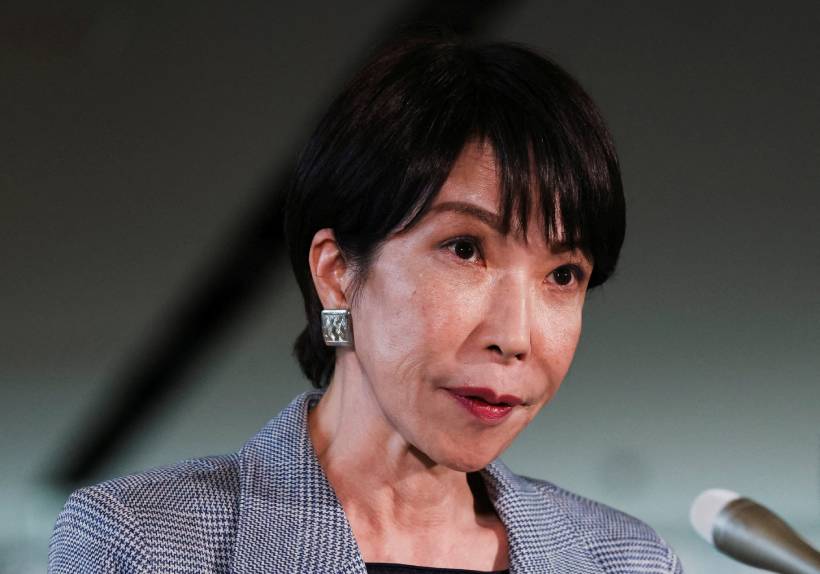
Prime Minister Sanae Takaichi is caught in a tense showdown with financial markets as Japan’s long-term borrowing costs spike to their highest level since 2007. Her $137 billion stimulus package, financed largely through new borrowing, triggered renewed scrutiny of Japan’s towering public debt and weakened yen. A November 17 meeting with Finance Minister Satsuki Katayama marked the turning point officials presented charts showing heavy selling in Japanese government bonds (JGBs), prompting Takaichi to shift tone and adopt more market-friendly rhetoric.
Why It Matters
Japan’s debt-to-GDP ratio is the highest in the developed world, and the Bank of Japan is steadily reducing its bond purchases. That leaves the government more exposed than ever to investor sentiment. The sharp rise in yields 25.5 basis points in four weeks has already rattled global markets. Takaichi’s policy mix, described by analysts as “very loose,” risks reviving fears of a “Truss shock,” referring to the UK market meltdown in 2022. If investors lose confidence, borrowing costs could rise sharply, undermining Japan’s economic recovery.
Market Reaction
JGB yields surged as traders questioned who would absorb the massive supply of new bonds, particularly long-dated paper. Domestic banks and insurers, once reliable buyers, have been reducing purchases for years, while foreign demand remains patchy. Net supply is expected to jump by 11 trillion yen in 2026, intensifying pressure. Some dealers reported modest increases in short positions, though the real issue appears to be a lack of buyers rather than aggressive selling.
Currency Pressure
The yen has weakened around 5% since Takaichi took office, slipping to ¥155 per dollar, even as the government issues stern warnings about potential intervention. Traders warn that if the currency slides again toward the 153–154 range, short-yen bets could accelerate. Still, not everyone is bearish Morgan Stanley forecasts a rebound to ¥140 in early 2026, arguing that rising yields reflect a healthier economy.
Government Response
Takaichi has softened her resistance to monetary tightening, promised to restrain extra borrowing, and launched initiatives to rein in government waste dubbed by some as a “Japanese DOGE” spending-discipline drive. Finance Minister Katayama insists the government will protect fiscal sustainability and reassure investors. Yet Takaichi’s credibility is being tested: she previously pushed to water down fiscal targets and stacked her advisory team with policy doves aligned with Abenomics.
Key Question: Who Will Buy the Bonds?
With the BOJ stepping back, banks and insurers buying less, and foreign appetite inconsistent, Japan’s trillion-yen question looms large. Investors emphasize the need for clarity on issuance plans, maturities, and timing. Without transparency, many remain unwilling to commit aggressively to JGBs.
What’s Next
Financial markets will closely watch the government’s bond-issuance blueprint and signals from the BOJ. Any hint of fiscal slippage could trigger deeper volatility. Takaichi’s political standing also hangs in the balance if she fails to control yields or steady the yen, pressure from within her own party may intensify.
Analysis
Takaichi faces a credibility paradox: she promises fiscal discipline while championing a massive stimulus funded by debt. Markets sense this tension, and the recent bond selloff reflects deeper skepticism about Japan’s long-term fiscal path. The comparison to Liz Truss is politically toxic, yet not entirely unfounded both pushed bold growth-led agendas without fully convincing investors of fiscal realism.
What Takaichi needs most is policy consistency. If she can pair targeted stimulus with a concrete medium-term fiscal roadmap and clearer communication on bond issuance, she may calm markets. But if she continues to send mixed signals big spending paired with vague promises of restraint the yen could weaken further, yields could rise again, and Japan may drift into a slow-motion version of the very crisis she insists she can avoid.
With information from Reuters.
AloJapan.com