
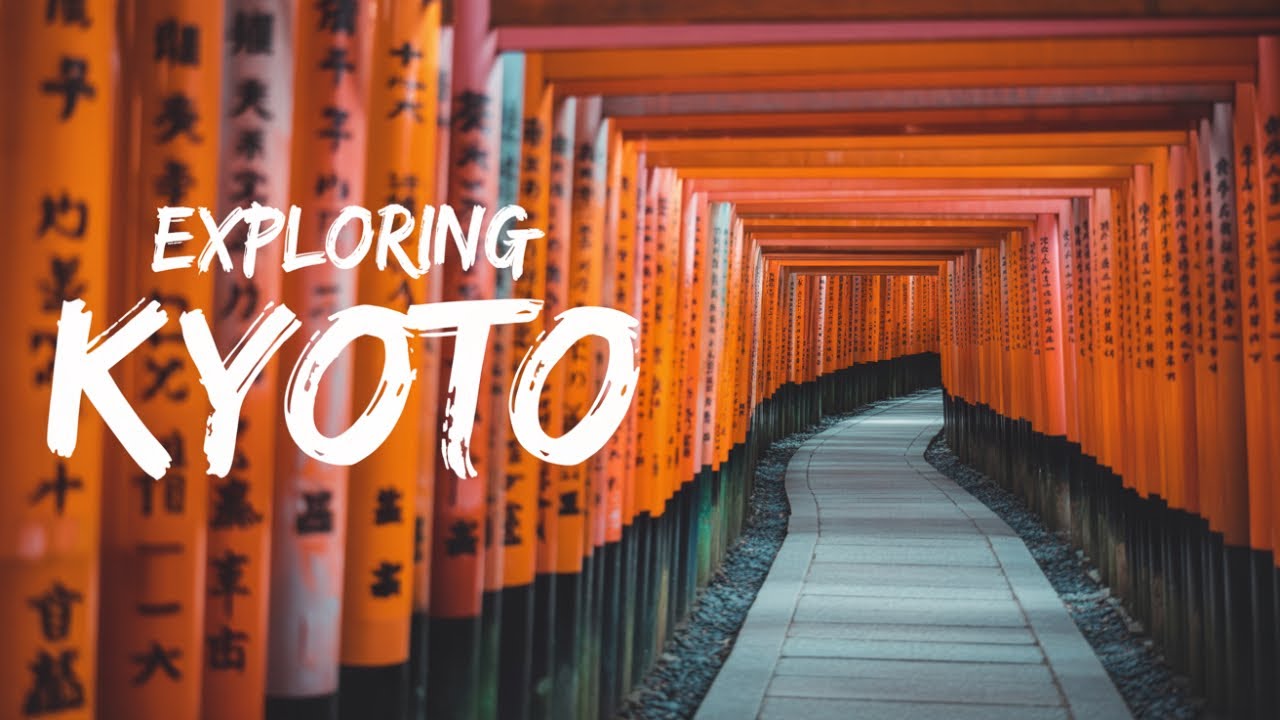
72 Hours in Kyoto | EVERYTHING You Need to See in 2025
We spent 3 days in Kyoto and in this video we’ll be showcasing over 20 things we did to help you plan your next adventure. Let’s dive in. You won’t want to miss this. [Applause] We began day one in Kyoto wanting a little history lesson and a chance to step into the world of warriors we’d only read about in books. I’ve always been fascinated by samurai and their strict code, Pushidto, the way of the warrior. So, we decided to start our day off at the Samurai Ninja Museum. And honestly, it did not disappoint. Emily and I got to learn about their history, armor, and weapons firsthand. The museum does an amazing job showing how samurai armor wasn’t just for protection. It was a statement. Each piece from the helmet to the chest plate was carefully designed for battle, and the crests or mon represented the samurai’s clan and status. We also learned about the weapons these warriors used. Katanas, bows, and even shurikens. the throwing stars ninjas were famous for using in stealth missions. Then it was our turn. We got to try throwing shurikens ourselves. And let me tell you, it’s way harder than it looks, but so much fun. Don’t worry, we’re hitting nothing. Are you ready? I would say though, after a couple of tries, I started to get the hang of it. And although Emily was struggling too, she finally channeled her inner ninja. But we didn’t stop there. Emily and I decided to take the katana class, which meant suiting up in the traditional black training outfit called a kakogi. The kakogi really helps you get into the mindset of a samurai. Once we were dressed, the instructor taught us the basics like how to unshoot the katana, how to strike properly, and how to handle it with respect and precision. Practicing the strikes was so rewarding. It’s not about the brute force. It’s about control, focus, and technique. Experiencing it firsthand gave us a real appreciation for the skills and discipline of the samurai. If you end up taking the class, just don’t be like me and accidentally shoot a katana upside down. This museum is perfect for anyone interested in Japanese history or just looking for a fun hands-on adventure. If you ever get a chance to visit, the Samurai Ninja Museum is a must. After stepping into the world of samurai and ninjas, it was time for a completely different kind of adventure. Nishiki Market is a vibrant street market in the heart of Kyoto. Packed with colorful stalls and local goods. Even if you’re not buying anything, it’s amazing to walk through and see all the sights and smells of traditional Japanese foods and crafts. The market stretches for several blocks and every stall has something unique. Fresh seafood, traditional snacks, and handmade goods. It’s a feast for the eyes and a great way to experience the local culture. Even without tasting or buying anything, just exploring Nishiki Market gives you a real feel for Kyoto’s energy and traditions. And while exploring, we stumbled upon Nishiki Tenmangu Shrine. This shrine is dedicated to Sugawara Nomichi, the god of learning. So, people often come to pray for success in school or work. It’s a peaceful spot tucked right in the middle of the busy market. Visitors often write wishes on wooden plaques called Emma or just enjoy a quiet moment surrounded by traditional Japanese architecture and charm. From colorful stalls to hidden shrines, Nishiki Market is full of surprises. And it’s a perfect way to experience Kyoto’s culture. After being a samurai, exploring the market, and paying our respects at Tin Mangu Shrine, we stumbled upon a ramen spot appropriately named Ramen Marachi and decided to stop for breakfast. This ramen spot is known for its rich, flavorful broths and perfectly cooked noodles. The atmosphere is cozy, making it the perfect spot to sit down and enjoy a warm bowl after a morning of exploring. We went with their signature ramen, and it did not disappoint. Savory broth, tender noodles, and all the delicious toppings. It was the perfect way to fuel up for the rest of the day. After breakfast, we wandered through some of Kyoto’s coolest narrow streets. These charming alleys are lined with traditional wooden buildings, tiny shops, and little cafes, giving you a real feel of old Kyoto. These streets are full of character. The wooden facads, hanging lanterns, and cobblestone paths make it feel like you’ve stepped back in time. It’s easy to get lost in the best way. And at the end of the alley, we walked into an open space and discovered Sancha Ohashi Bridge. This historic bridge marks the end of the old Toko Road, which samurai traveled between Edeto and Kyoto during the Edeto period. The bridge itself has seen countless samurai pass over it, and it even bears scars from old battles and the passage of time. Once we crossed the bridge, we continued exploring and came across the impressive Yasaka Ginga Nisha Raman Gate. This gate leads directly into Yasaka Shrine, one of Kyoto’s most famous shrines. Yasaka Shrine is dedicated to the guardian deity of the city and is especially known for its festivals and vibrant cultural events. Exiting Yasaka Shrine, we found ourselves in Maroyama Park, a beautiful green space right in the heart of Kyoto. The park is famous for its cherry blossoms and spring, which we just missed this time. Even without the blossoms, it’s a peaceful spot full of trees, ponds, and traditional Japanese landscaping. We decided to take a break and cool off with some shaved ice. It was refreshing and the perfect way to recharge before continuing our day of exploring. Even without cherry blossoms, Maruyama Park is a great place to slow down, enjoy the scenery, and soak up Kyoto’s atmosphere. After cooling off in Maruyama Park, we honestly had no idea where to go next. That’s when we noticed a crowd of people all walking in the same direction. So, naturally, we decided to follow them. We followed the crowd all the way through the narrow streets, Suzaka and Nin Nen Zaka. Lined with traditional wooden buildings, shops, and street food stalls. The vibe was so lively, it felt like stepping into old Kyoto. After what felt like an endless walk uphill, we ended up at Kiu Mizua. It’s been standing here for over 1200 years, and the whole main stage is held up by these massive wooden pillars built without a single nail. Seeing it in person, it makes total sense why this place is one of Kyoto’s biggest icons. What’s crazy is that this huge terrace you’re looking at was designed so people could see the cherry blossoms and maple leaves from way above. Now imagine this place in full bloom or peak fall. Insane. Ki Mizua actually means pure water temple named after the waterfall below it. For centuries, people came here to drink water because each of the three streams is said to give a different blessing, success, longevity, or love. And yes, people still line up for it today. Ki Mizua is also known for a saying in Japanese which is to jump off the stage at Kiumizu. In the Edeto period, people actually believed that if you jumped from the terrace and survived, your wish would come true. Over 200 people tried it. Most have survived because of the thick forest below, but the practice was banned in the late 1800s. Today, the legend adds to the temple’s story, a reminder of how much faith and tradition this place has carried through the centuries. As we made our way down, we stumbled upon a shop selling Sakura soda. And it wasn’t just a drink. It was an ice cream float. The soft pink soda was topped with a scoop of vanilla ice cream. Almost like a cup of cherry blossom clouds. Sweet, fizzy, and refreshing. It felt like a perfect Kyoto treat. Just walking back from H Mizua. It is hot over here. She enjoyed the walking. Not at all. We got our steps in. Very steep hills, a lot of stairs, a lot of people. If I can handle it though, anyone can handle it. Yeah, it wasn’t too bad. You’re kind of just distracted looking around at all the different shops and trying to avoid people that you don’t really think about the walking part. As we made our way down Ki Zuda, the narrow streets, tightly packed houses, and little boxy cars really stood out. It’s amazing how the city feels so compact yet full of life. At one point, we found ourselves crossing Sanjo Ohashi Bridge again, and we couldn’t help but pause. Giant birds circled above and massive fish swam lazily in the river below. It was like the city and nature were perfectly intertwined. It honestly felt like we were watching a Pixar movie come to life with animals taking center stage. It was a great way to end our first day in Kyoto. Day two in Kyoto started off the best way possible. We kicked things off with the kimono rental and photo shoot. Choosing our kimonos was half the fun. A kimono is a traditional Japanese garment, kind of like a long wrap style robe that’s secured with an obi, which is the wide decorative sash tied around the waist. They come in all kinds of colors and patterns, and each part of the outfit has its own meaning and history. The staff helped us put everything on properly, from the layers to the obi to the accessories. So, we felt like we were stepping straight into traditional Japan. Once we were dressed, we headed out for a little photo shoot around the streets. It’s such a fun way to experience Kyoto, and it makes for some amazing photos with the historic buildings as a backdrop. It’s a way to step into the culture and feel a little closer to Kyoto’s past. We just got done with our photo shoot and it was great. We look dripped out. Dripped out. Especially like the back of yours looks cool with all um that going on now because you don’t really want to walk around in these sandals cuz these sandals aren’t they’re not the most comfortable thing out there. So, we’re just going to walk around the nearby park for a little bit and then probably return these because we have some walking we got to do today. It’s also super hot today. I know. Just like it was yesterday. And this is a pretty thick outfit. It’s a slim thick outfit. After our photographer left, we wandered around Maruyama Park for a bit, enjoying the scenery and grabbing a few more photos in our kimonos. The park is always beautiful, and even though we weren’t in peak cherry blossom season, it was a nice, peaceful walk. Once we returned the kimonos, we headed over to Tozando Katana Shop, a place for anyone who’s into swords. Tozando is incredible. It’s not just a shop. It’s a part of Kyoto’s long tradition of craftsmanship. For centuries, Japanese swordsmiths have been perfecting the art of making katanas, and places like Tozando keep that legacy alive. You can browse beautifully crafted, already forged katanas made by modern artisans using the same techniques that date back to the samurai era. Or if you’re feeling fancy, you can actually customize your own. You get to choose everything. The blade style, the handle wrapping, the guard, even the scabbard. It’s a dream spot for collectors or anyone curious about the history and artistry behind Japanese swords. After Tozandos, we walked around Kyoto Sento Imperial Palace. Apparently, you can’t go inside the palace itself, but the gardens and surrounding area are still really beautiful to explore. The palace area has lots of walking paths and historic spots nearby. So, even if you can’t go in, there’s plenty to see and take photos of. Next, we hopped on the Kerasuma line and made our way over to our next destination. Nijou Castle was built in the early 1600s by Tokugawa Ayasu, the first shogun of the Edeto period. It was designed not just to show power, but also to protect it with clever defenses like the famous Nightingale floors, which make soft tripping sounds when someone walks on them. We didn’t go inside, but walking around the castle grounds and gardens was still incredible. The massive stone walls, wide moes, and perfectly manicured landscapes really show how important this place once was. Even just exploring the outside, you can feel the history and imagine what life was like when Shoguns ruled Japan. Next, we headed south for our next stop of the day, Fushimi Inari. Originally, we had planned to visit this spot right before hopping on the train to Yokohama, but since it was going to rain that day, we decided to adjust our itinerary and come here today instead. This place is massive, so we definitely recommend saving some time if you want to fully explore it. Since we didn’t have much time, we decided not to do the hike all the way up the mountain. Fushimi Anari is famous for its thousands of bright red Tory gates which create those iconic winding paths up the mountain. These gates are dedicated to Anari, the Shinto god of rice, prosperity, and success. Each one is usually donated by a person or business to show gratitude or ask for blessing. And many of them have the donor’s name engraved on them. And before you start thinking about adding your own Tory gate, these gates can cost anywhere from around 400,000 yen for a small one to millions of yen for a larger gate. So maybe just enjoy the view instead. Fox statues said to be Anari’s messengers are scattered throughout the grounds, adding to the shrine’s mystical atmosphere. It’s one of the most iconic spots in Kyoto and a truly unforgettable site. Right outside of Pushimi Anari, I decided to try one of these coin-shaped pancakes. I’m not exactly sure what it’s called, but it was soft, cheesy, and actually really delicious. And while we were in the same area, we found what might just be the best crab we’ve ever had. It tasted incredibly fresh and flavorful. And honestly, even just thinking about it right now is making my mouth water. I like how it just tore apart as soon as you get into it. That was That was good. This was amazing. Grilled. I got another one. Crab again with the mayonnaise and then some spice. Some soy sauce. And some soy sauce. Yeah, it was just really good. So, I had to get another one and try it with the other stuff that they have. So good. Just falls apart. 10 out of 10. [Music] 10 out of 10. 10 out of 10. Mhm. After walking through the Red Tory gates and enjoying some amazing crab, we headed back to our hotel. On the way back, we made a quick pit stop just a few blocks away from our hotel. Pokémon centers are all over Japan, and each one has unique merchandise tied to its location. For example, in Kyoto, you can find exclusive items like Pikachu dressed in a traditional kimono or plushies inspired by local culture. Other stores might have region exclusive keychains, seasonal Pokémon, or even special collaboration items that you can’t get anywhere else. It’s always fun to browse through the colorful displays and pick up a rare souvenir, even if you’re not a diehard fan. After a full day of exploring Kyoto’s iconic shrines, tasting amazing local food, and checking out some unique Pokemon merchandise, we headed back to our hotel, feeling completely satisfied and already excited for day three. Day three began bright and early so we could make our way across Kyoto to our first stop before it got too busy. The Arashiamyama Bamboo Forest is a serene grove of towering bamboo stocks that stretches as far as the eye can see. Walking through it feels almost otherworldly as the tall bamboo sways gently in the wind, creating a peaceful rustling sound often called the bamboo music of Kyoto. The forest is part of the larger Arashyama district, a popular sightseeing area since the Han period over a thousand years ago. Back then, aristocrats and monks would retreat here to enjoy the scenery and find tranquility. Today, it’s one of Kyoto’s most photographed spots, and it’s especially magical early in the morning before the crowd arrives. There are multiple paths through the grove, so you can explore at your own pace. If you want photos without people in the shot, definitely try to arrive as early as possible. After getting lost wandering through the bamboo, we headed over to our next stop of the day, which was conveniently right in the bamboo forest itself. The Sagana romantic train ride runs along the Hosugawa River and through the mountains. It’s famous for its open air cars, which give you incredible unobstructed views of the lush forest, winding river, and seasonal gridally built over a century ago for freight. But today, it’s purely for sightseeing and offers one of the most picturesque rides in Kyoto. The slow pace lets you soak in the natural beauty and the rhythmic sound of the train on the tracks adds a nostalgic charm. The train has a few different types of cars. Standard seating, cozy enclosed cars, and the ridge car. This car has no walls and a glass ceiling, giving you an amazing panoramic view while staying comfortable and protected from the weather. Perfect for taking photos and really enjoying the scenery and comfort. Although, depending on the day, it might be a little chilly like it was for us. So, make sure to bring a jacket. The best seats for photos are on the right side of the train heading toward Kamyoka. And try to grab your tickets early, especially during peak seasons because the ride gets popular fast. What’s really special about taking the Sagano Romantic Train is that at the end of the ride, there’s actually a shuttle that takes you to the Hosugawa River Boat Ride, which takes us to our next stop of the day. Conveniently, this lets you enjoy the scenery twice, but from different angles. Once from above on the mountain side, and again while drifting down the river on a relaxing boat tour. The Hosugawa River has been used for centuries, originally for transporting timber from the mountains to Kyoto. Today, it’s a peaceful sightseeing experience that usually takes around two hours, depending on the pace and river conditions. Some parts of the river get a little rocky, giving a fun, bumpy ride, but there are stretches so calm you can practically doze off, which funny enough, we actually caught ourselves falling asleep at one point. The boat is expertly managed by three guides. One rows, one steers, and one uses a very long pole to help push the boat along in shallower or trickier sections. You might not think the river is that deep, but that long pole says otherwise. And at the end of the ride, a service boat even comes up to you so you can order food while still floating on the river. Overall, it’s the perfect combination of adventure and relaxation, and the guides make it even more enjoyable with their skill and attention. Drifting through the lush greenery and watching the river flow gently by really makes this a highlight of the Arashyama area. Once we got off the boat, we took a short walk to our next stop, Tenraayuji Temple. This is one of the most important Zen temples in Japan and a UNESCO World Heritage site. It was founded in 1339 to honor Emperor Godo. And while the buildings have been rebuilt many times, the garden has stayed almost completely unchanged for centuries. The garden is really the highlight here. It was designed by the Zen monk Uso Suski and uses the surrounding Arashiamyama mountains as part of the scenery, a style called borrowed landscape. Even today, it still looks incredibly close to how it did in the 14th century. The whole place has a calm, peaceful atmosphere with ponds, koiish, and perfectly framed views. And since it’s right next to the bamboo forest, it’s one of the easiest spots to add to your itinerary. Afterwards, we took a little break at the Arashyama Shorayen shopping area, where we tried a fish-shaped pancake, grabbed some gelato, and sampled a couple drinks before getting back on our feet and continuing our day. It literally looks like something made out of peanut butter. And what’s inside of it? It’s like a custard. Boiled custard. Kind of tastes like an egg. I was about to ask, does that taste like an egg? It looks like tastes like an egg sandwich. Like toast with egg sandwich. Toasted egg. Across the street, we stumbled upon the Kimono Forest, which is located right next to Arashyama station. It’s this beautiful walkway lined with glowing pillars wrapped in vibrant kimono fabric. In the middle of it is the dragon of Arashyama, a small sculpture surrounded by water. Legend says that if you place your hands in the water, your heart will be filled with peace and you’ll be guided towards happiness. After topping off our peace and happiness reserves, we made our way across the Togeetssukio Bridge to our last and probably most challenging part of the day, the Arashyama Monkey Park. To reach it, you actually have to hike up a mountain trail. The hike takes about 20 to 30 minutes depending on your pace, and it’s fairly steep with an elevation gain of roughly 160 m, so be prepared for a bit of a workout. Admission is around 550 yen and it’s cash only, so make sure you have some on hand. Once you reach the top, you’re rewarded with a unique experience. Free roaming Japanese makake or snow monkeys. These monkeys can come and go as they please, but most stick around because the park provides a safe habitat, regular food, and a comfortable environment. It’s fascinating to watch them interact. Some are playing and chasing each other, others are grooming, and some even curiously approach visitors while keeping a cautious distance. There are also students and researchers studying the monkeys here, which adds a really interesting educational aspect. What’s amazing is how natural their behavior is, unlike in a zoo. They’re completely free to move around, but they’ve adapted to the presence of humans over time. Some monkeys will sit and observe you, while others are more adventurous, exploring the forested area at the top. They also sell apples up here for 100 yen if you want to feed the monkeys. You get a real sense of their intelligence and social dynamics. And of course, the view from the top is incredible. You can see the entire Arashyama area, the winding river, and even some of the temples and bamboo groves above. It’s a breathtaking panorama that makes the hike feel worth every step. Between the playful monkeys and stunning scenery, this is the perfect way to wrap up a full day of exploring the area. Just keep in mind, the only way back down is the same way you came up. So, make sure you save some energy for the hike down. Between the playful monkeys and the stunning scenery, it’s a perfect way to cap off a full day of exploring Arashiamyama. So, there you have it. over 20 things we ate, saw, and experienced during our three days in Kyoto. Let us know in the comments if there are any spots we missed. And if you enjoyed the video, make sure to hit that like and subscribe button. It helps out a ton. We hope to catch you on the next one on another Gem Travels adventure. [Music]
Explore the ultimate Kyoto itinerary as we take you through the best things to do in Kyoto, including Fushimi Inari Shrine, Arashiyama Bamboo Grove, Kinkaku-ji (Golden Pavilion), Gion District, Nishiki Market, and Kiyomizu-dera Temple. This Kyoto travel guide covers top attractions, hidden gems, food spots, and must-see temples for first-time visitors, perfect for anyone planning a Japan trip, Kyoto day trip, or full Japan travel itinerary. From traditional Japanese culture and stunning sightseeing spots to breathtaking photography locations, this video gives you everything you need for your Kyoto vlog, Kyoto travel planning, and Japan vacation 2025. If you’re looking for the best routes, tips, and places to visit in Kyoto, this is the video for you.
Bookings!
Hotel we stayed at:
https://www.hotels.com/ho342786/smile-hotel-kyoto-shijo-kyoto-japan/?langid=1033
Samurai Ninja Museum:
https://mai-ko.com/what-to-do-in-japan/kyoto/samurai-kyoto/
Hozugawa Boat Tour:
https://s.klook.com/c/930nA2DqyV
Tozando Shogoin website:
Hozugawa Boat Tour:
https://www.klook.com/activity/74947-kyoto-arashiyama-hozugawa-river-boat-ride/?spm=BookingDetail.BookAgain&clickId=63a2b85e72
Sogano Romantic Train Ride:
https://www.sagano-kanko.co.jp/en/
Kimono Rental:
https://s.klook.com/c/vwnVARZkXD
Suica Card Guide
https://en.japantravel.com/guide/how-to-get-a-suica-card/22316
Camera used
https://gopro.com/en/us/shop/cameras/buy/hero13black/CHDHX-131-master.html
2 Comments
If you’re heading to Kyoto in the near future what are some places we missed ?
I can’t believe how close the monkeys get to you🤯