
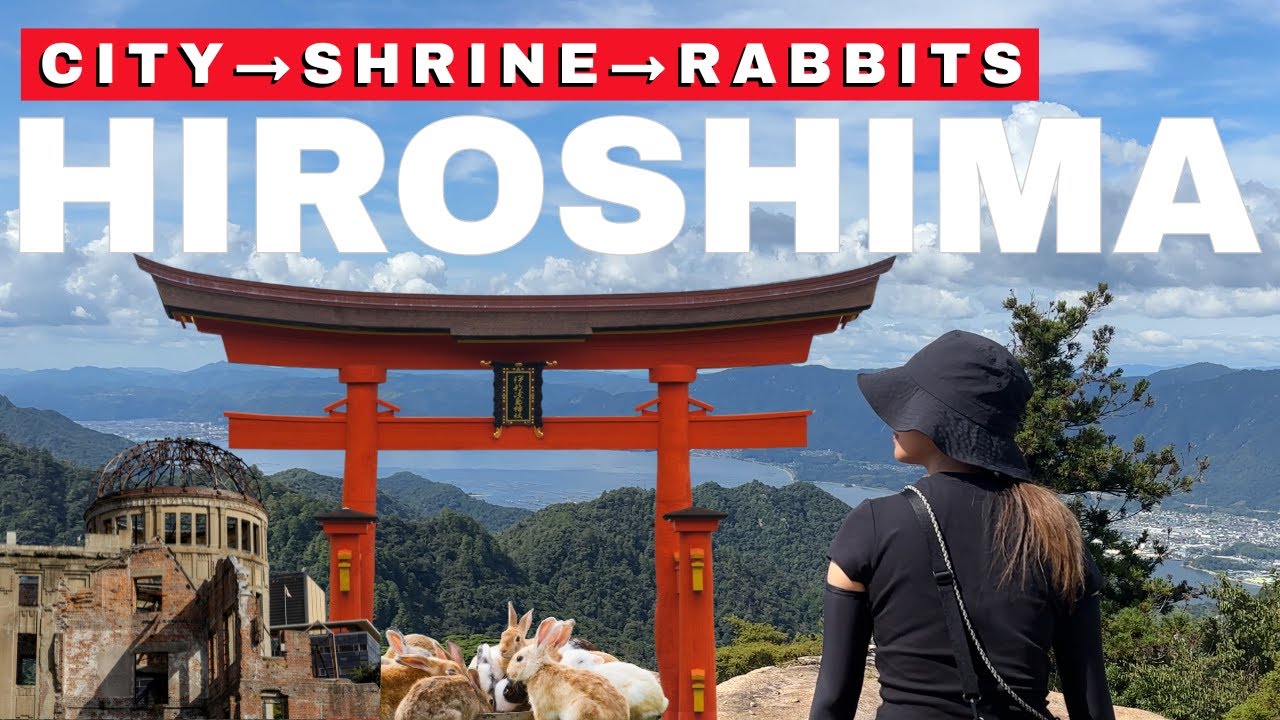
Hiroshima Travel Guide 2025 | City Highlights, Miyajima Day Trip & Okunoshima Rabbit Island
When you think of Hiroshima, you probably think of its powerful history and peaceful memorials. And that’s just the beginning. Over 3 days, we explored the iconic landmarks, peaceful island shrines, scenic mountain trails, friendly rabbits on a nearby island, and some amazing local food. Join us on this road trip from Osaka as we discover both the heart of Hiroshima and some beautiful spots nearby. We chose to drive for flexibility and to explore more on the way, but the Shinkansen is a quick and convenient option if you prefer skipping the traffic. Our first stop in Hiroshima was one of the city’s most meaningful landmarks. Standing quietly by the river in central Hiroshima is the A bomb dome. One of the few structures that survived the atomic bombing in 1945. It was once part of the Hiroshima Perfeural Industrial Promotional Hall and today its preserved frame serves as a gentle reminder of the city’s history and strength. Seeing it in person feels both humbling and peaceful. It’s one of those places that makes you pause and reflect. Just steps away lies Peace Memorial Park. A space created to honor the victims and to promote reflection on the importance of peace. Within the park stands the Children’s Peace Monument, dedicated to the memory of children who lost their lives during the bombing. Thousands of folded paper cranes from around the world adorn the site. A heartfelt symbol of peace and the wish for a better future. The Abum Dome, Peace Memorial Park, and the Children’s Peace Monument together stand as powerful reminder of Hiroshima’s history and as enduring symbol of peace for generations to come. After exploring the peaceful surroundings of Hiroshima’s Peace Memorial Park, a short walk leads you to the Peace Memorial Museum. The Peace Memorial Museum in Hiroshima opened its doors in 1955 as a place to preserve memories and share personal stories from a significant moment in the city’s history. The museum carefully displays artifacts such as clothing, letters, and everyday items, each telling a unique story from those who meet through the events. Inside, visitors move quietly, absorbing the history and reflect on the human experiences behind the history. While filming is allowed, I chose to simply observe and respect the quiet atmosphere. Honoring the memories held within these walls. The Peace Memorial Museum invites all to learn, reflect, and carry forward a message of compassion and hope. It was deeply moving to learn more about the people behind the history. A place that really stays with you. After our visit to the Peace Memorial Museum, we walked about 10 to 15 minutes to a local lunch spot. Tuki man Karabu in Tukai Chim Machi. We arrived just as they opened and ended up being the first customers of the day which made the experience feel even more personal. The ambiencece was calm and welcoming with that comforting mix of quiet music and the smell of broth coming from the kitchen. One thing that stood out was their spice level chart displayed on a roll. It was a little funny, especially seeing how intense the top level gets. You can choose your spice level from gentle heat to fiery hot. I went something in the middle and it had just the right kick and he opted to higher one which was still bearable. You can choose different toppings and since I like cabbage, I opted to this one. Tukim man here is Hiroshima style chilled noodles with a separate dipping sauce that’s full of flavor and customizable heat. The noodles were firm and refreshing. And the broth was rich, savory, and full of flavor. It felt comforting after such a reflective morning. Especially the one I chose was really good. I will give it 9 out of 10. If you’re looking for a local lunch near the Peace Memorial Park area, this spot is absolutely worth a short walk. After lunch, we headed to Urizuru Tower, which is just across the street from the A Bomb Dome, a perfect next stop. Inside, everything feels calm and modern, designed to encourage quiet reflection. At the top, there’s a beautiful open air deck with 360 degrees view of Hiroshima. You can see the city skyline, mountains, and the Abang Dome directly below. On the way down, we walked through a hallway lined with an art installations, colorful murals, and crane motifs that blend history with hope. And for something a bit more fun, yes, there’s even a slide that takes you partway down the tower. Totally unexpected and honestly really fun. One of the highlights here is the Uriu experience where you get to fold your own origami crane and release it into the glass tower wall. As I folded mine, I couldn’t help but think about the history behind. The origami crane became a symbol of peace thanks in part to Saddako Sasaki, a young girl from Hiroshima who became ill years after the bombing. Inspired by a Japanese legend that says folding 1,000 frames, grants a wish. She began folding them while in the hospital wishing for recovery and peace. Folding a frame takes just a few minutes, but it feels meaningful. Every crease, every fold connects back to something bigger. A quiet wish shared with thousands of others. When you’re done, you drop it into the tower’s glass wall. A transpiring panel slowly filling with praise from visitors all around the world. Our Zodora Tower combines a stunning view, quiet moments of reflection, and a few surprises. A memorable stop right in the heart of Hiroshima. If you have time, Orizuro Towers offer a peaceful view of the city and a meaningful experience all in one. After our visit to Orizuro Tower, the skies turned gray and the rain rolled in. Perfect timing for something indoors. We drove about 10 minutes to Hiroshima Castle. Hiroshima Castle, also known as Karp Castle, was originally built in the 1590s during the Age of the Samurai. Normally, you’d spot koi swimming in the moat, but with the weather, we didn’t get the chance this time. The original castle stood here over 350 years until it was destroyed from the atomic bombing in 1945. The current structure was rebuilt in 1958. A fateful reconstruction that now houses a museum dedicated to Hiroshima’s feudal history. Inside the main keep, there’s a multi-story museum with samurai armor. artifacts and displays showing how Hiroshima developed during the feudal period. Each level brings you deeper into the history. And the very top there’s a lookout with panoramic views of the city. Just a heads up, the wooden stairs inside the tower are quite steep, so take your time and hold the handrails. especially if it’s wet outside. Hiroshima Castle isn’t just a historic site. It’s a symbol of quiet strength, especially on a day like this. From here, we left the city behind, off to explore something a little different and a little more flavorful. [Music] about 40 minutes from the city and one of Japan’s most famous sake towns. We reach around 3:00 p.m. and honestly, at first glance, the town looked almost closed. For a moment, we wondered if everything had already shut down. But don’t worry, even if it looks like that way, keep walking. You’ll find open doors, friendly faces, and the breweries quietly waiting. Our first stop was a small brewery talked between the old buildings. From the outside, it looked closed, but once we stepped closer, we saw the door was open and were welcome right in. We immediately did the sake tasting and we opted for two types of flavor. And right away, we decided to buy one. Next, we found a brewery featuring a special autumn menu. Perfect timing. The seasonal sake had a fruity and mellow flavor. natural with just right balance of sweetness. It felt like tasting the season itself. If you visit Saiou during this season, definitely try the seasonal brews. They are limited and worth every sip. Our third stop was a bigger sake house. Part tasting bar, part museum. Here we learned how sake is made from rice and how each grain is polished down layer by layer to create that clean elegant flavor. How smooth you make like the core is pure, right? The core is squishier. So this one is the best. They even had a sake tasting machine. Just choose your sake, press a button, and it pours the perfect sample. And of course, we couldn’t miss the giant barrels. Some looked like they weighed over 90 kilos, though. The one we lifted was just for fun. There was even a huge barrel taller than me. This place was both fun and educational, the kind of stuff that makes you appreciate sake even more. [Music] Our last stop was my favorite. It serves the same sake that former President Obama and former Prime Minister Abbe once enjoyed together. Inside the space felt more like a museum displays of historical battles, awards and that iconic photo from the visit. We tried their signature by Gimjo sake, the type served on that day. The staff explained that the higher grade, the smoother and reached the aroma. Each sip had that subtle sweetness, smooth finish, exactly what makes this brewery so special. No wonder Obama and Abbe enjoyed it so much. Of course, we couldn’t resist buying the same sake they drank. A perfect way to end our day, combining history, craftsmanship [Music] and flavor. If you ever visit Hiroshima, make sure to add Sai Sake Breweries to your itinerary. It’s an experience that stays with you long after the last sip. After a full day of exploring Sai’s famous sake breweries, it was finally time for dinner. And what better way to end a day than with Hiroshima style okonamiyaki. A hearty layered pancake that’s a local specialty. We ordered the classic Hiroshima style okonomyaki. You can watch the cooks assemble everything with speed and precision, which makes the process just as exciting as the taste. First, the cooks lay down the noodles on the hot griddle, adding condiments to bring out the flavor. On the other side, they cook cabbage on a pre-made flat pancake, which acts as a base for another layer. You can choose from a variety of menu options and we opted for two favorites. The most famous one with an egg and seaweed on top and another with fresh shiso leaves. The cooks work incredibly fast and every ingredient cooks evenly, giving each a okonomiyaki its signature flavor. Finally, they drizzle it with otafuku sauce. Rich, savory, and slightly sweet. And the result is visually stunning and delicious. Time for the first bite. The most famous okonomiyaki with egg and seaweed is perfectly balanced. Soft noodles, flavorful sauce, and the egg topping adds richness. The shiso leaf version has a fresh aromatic lift that pairs perfectly with the pork and noodles. You can add more autofocus sauce which was really good. I recommend you put more. While enjoying these delicious layers, I also caught a sumo match on the TV which I’ve recently become interested in. Eating Hiroshima style okonamiyaki while watching sumo made the dinner even more memorable. After a day of fulaki tasting in Saiou, visiting museums and exploring local culture, even though it was a rainy day, it turned out to be incredibly enlightening and educational. Visiting the Hiroshima iconic place offered a moving reflection on the city’s remarkable spirit, and enjoying the local cuisine reminded us just how delicious and unique Hiroshima’s food truly is. We woke up early with a goal of catching the first ferry to Miaima Island. Although we missed the very first boat, we managed to get on the second ferry. It’s my first time visiting Miaima Island and from the moment the ferry left the shore, I could feel that this was going to be something special. [Music] The island slowly comes into view with a famous floating Tori gate standing tall in the sea. A side I’ve seen in photos, but nothing compares to seeing it in person. There’s a quiet energy here, a calm that feels almost magical. Even from distance, you can sense that this place has a story to tell. Centuries of history, culture, and devotion all wrapped into one breathtaking view. Miaima Island is often called one of Japan’s most scenic spots. And seeing it in person, you understand why. Calm shores, a gentle breeze, and a quiet sense of reverence greet every visitor. [Music] Almost immediately, we were greeted by deer roaming freely. It felt like they were welcoming us to the island. As the sun rises, the first light hits just right, illuminating the Tory gate and the shrine with a warm golden glow. It makes the scene feel almost otherly worldly. Like the island itself waking up in slow, breathtaking perfection. Designated a UNESCO World Heritage site, its Sukushima shrine reflects Japan’s deep reverence for nature and harmony. The Itsukushima shrine is centuries old, best known for its floating Tori gate that seems to rise magically from the sea during high tide. With a sunrise casting golden light, the Vermilion gate and shrine glow against the sea and sky, making the scene absolutely breathtaking. Every step feels like crossing a threshold from everyday world into a place suspended in time. Arriving early meant we could experience the island while it was still quiet. No large crowds, barely any tourist, and a peaceful atmosphere all around. If you’re into photography or filming, this is the time to go. The lighting is soft, the streets are calm, and you can capture those iconic views without distractions. We’re so glad we went early. Made the island feel even more magical. [Music] If you’re looking for a bit more adventure on Miaima Island, head to Mount Misen, the island’s highest peak and one of its most sacred places. Before starting our climb, we were greeted by some of Miaima’s most famous residents, the deer. They roam freely around the island and are considered sacred, calm, curious, and completely unbothered by people. Not long after, we came across a tiny crab crossing the path. Just one of those small moments that makes the island feel alive. To reach the top, we walk through Mumiji Dani Park. a peaceful trail surrounded by maple trees and streams. But there are other ways too. A free shuttle bus from near Itsukushima Shrine or you can hike all the way up if you’re feeling adventurous. When we reached the Miaima ropeway, it wasn’t open yet. So, we waited a few minutes before the first ride of the day. While we were standing in the no reservation line, we actually booked our tickets online and got lucky because we were able to secure a spot right away. If you can try booking online before you go, it’ll save time, especially when it’s busy. The first cable car takes you up to the Kayatani station where you transfer to another ropeway for the final stretch toward the summit. As a second car climbed higher, the view opened up. Green hills rolling into the blue of the Sto inland sea. From the ropeway station, it’s about a 30inut walk to the Mount Misen Observatory, and it’s not easy. The path is steep and uneven, but every step brings you closer to something special. Along the way, we stopped briefly at Suni the Hall to admire the rows of small Jesus statues. each quietly watching over travelers. A peaceful, reflective moment before continuing up. At the top, you’re rewarded with sweeping views of Hiroshima Bay and the small islands scattered across the sea. You can sit here, catch your breath, and just take it all in. The climb wasn’t easy, but that quiet moment at the summit made it unforgettable. After a short rest, we started our 30-inut walk down. The air was cool, the forest calm, and guided us back toward the village. By the time we reached the bottom, we were starving, so we headed straight to a nearby restaurant. I ordered grilled oysters, Miaima’s specialty. Fresh, smoky, and buttery. Exactly what I was craving after that hike. I pair it with a bowl of hot soba. Simple, warm, and comforting. He went for unagi and ramen. Rich, savory, and full of flavor. After hours of exploring and climbing, sitting down to a hot meal like this felt amazing. The best way to end the morning. [Music] After our meal, we strolled through the bustling food and shopping streets near the ferry terminal, ready to try some of Miaima’s famous streets. [Music] First up, Mumi Mangju. The iconic maple leaf shaped cake filled with sweet red bean paste. I loved it so much after the first bite that we ordered another round. And it seemed the vendor enjoyed seeing me come back for more. To pair with it, we grabbed some Hiroshima’s fresh citrus, either juice or soft served ice cream. The bright tangi sweetness perfectly complimented the warm, comforting cake. I couldn’t get enough. The mumiji maju was fluffy and sweet, and the citrus treat was refreshing and so delicious. With our bellies full and our hearts content, we wandered toward the ferry terminal. As the day started to wind down, offered the perfect balance of nature, culture, and calm. a peaceful breath just outside the city. And just like that, our day on Miaima came to a close. Tomorrow, we’ll set out for another island. A new adventure, a new rhythm, and more discovers waiting just ahead. After a full day of exploring, this warm bowl of ramen was the perfect cozy finish. Original ramen known for its soy broth and pork fat layer that adds richness. [Music] It’s our last day in Hiroshima and we wanted to end it with something special. A visit to a hidden gem just a short ferry ride away. A small island that once a secret, hidden from maps and closed off from the public. Today, it’s known for something completely different. Hundreds of friendly rabbits that freely roam everywhere. Okunashima, also called Rabbit Island. At the port, there’s a cute little shop where you can buy ferry tickets and rabbit food. It’s filled with snacks, souvenirs, and rabbit themed items. The perfect place to get ready for the island. When it was time to board, we hopped on the ferry. The ride takes about 15 minutes. [Music] It’s hard to imagine that this calm, quiet island was once hidden away from the world. [Music] Just a few steps from the pier, we already saw our first rabbit hopping straight towards us. Such a cute welcome to the island. We rented bicycles, the best way to explore at your own pace. The road circles the island, offering stunning views of the beach, the sea, and nearby islands in the distance. Every few minutes we stop to feed rabbits or just take in the scenery. [Music] We came across a warning sign about wild boars and surprisingly I actually saw one from afar. It was quick and unexpected but definitely something to remember. As we biked further, we notice old concrete structures and withered buildings tucked between the trees, including what’s left of an old power plant and several ruin-like facilities slowly being reclaimed by nature. These silent buildings add a mysterious charm to the island. Quiet reminders of how much time has passed and how the island has evolved. [Music] I really enjoy continuing to bike around after discovering the ruins. Even though I’m still a newbie, taking in the scenery, the coastline, and the peaceful rhythm of the island made every wobble worth it. The rabbits here are endlessly curious, playful, and always hungry. The weather was perfect, sunny, breezy, and just right for exploring. For lunch, we stopped by the hotel restaurant on the island. They served simple and quick meals, perfect after biking around. You can also stay overnight at the hotel if you want to experience the island longer, especially when it becomes still and quiet at dusk. [Music] [Music] After lunch, we visited the Okonoshima Museum. Cameras aren’t allowed inside, but it’s a thoughtful space that shares the island’s background and how it changed over the years. Seeing the old power plant ruins surrounded by greenery made me appreciate how this island has transformed from forgotten structures to a peaceful sanctuary filled with life. We ended our day relaxing by the coast and feeding the rabbits one last time before heading back. As we watched them, I couldn’t help but think about how they got here in the first place. Sam says these rabbits are descendants of test animals once brought to the island during its secret wartime past. Survivors of an era long gone. Others believe they were released by a group of school children after the war, left to roam free on this quiet island. Nobody really knows the real story behind Okonoshima, and that’s what makes it so interesting. It used to be a hidden place, but now it’s known as rabbit island. Full of life and calm. Here is just the sea, the breeze, and a lot of tiny feet hopping around. Okonosima is one of the most unique places in Hiroshima. A beautiful blend of nature, quiet history, and pure charm. If you’re looking for an offbeaten path destination, this island is absolutely worth the visit. Hiroshima is full of surprises, serene islands, curious rabbits, and flavor that linger long after the last bite. Every corner tells a story. Every view invites you to pause and soak in it. Whether by car, train, or ferry, this journey promises peace, wonder, and memories you’ll never forget. If you loved the journey, let us know in the comments which spot stole your heart. And don’t forget to like, subscribe, and tap the bell so you won’t miss any of our upcoming travels. Until next time from Hiroshima, keep exploring, stay curious, and travel smart.
Here’s my heartfelt Hiroshima Travel Guide for 2025.
After my Shikoku travel, I was so happy that so many of you connected with it. Now, I’m grateful to share a new journey with you — one that touched me in ways I didn’t expect.
Hiroshima was an emotional experience from the very beginning. Walking through the city, I felt the weight of its history, but also the strength and hope that continue to shine through its people. Miyajima brought moments of quiet reflection, surrounded by nature and calm. And on Okunoshima (Rabbit Island), the gentle presence of the rabbits added a soft, unexpected warmth to the trip.
This was more than just travel — it was a journey that stayed with me long after I left.
📌 YouTube Video Chapters (Timestamps)
0:00 – Intro: Discovering Hiroshima Beyond History
0:44 – A-Bomb Dome
1:24 – Peace Memorial Park
1:34 – Children’s Peace Monument
2:08 – Peace Memorial Museum
3:22 – Lunch: Hiroshima Spicy Tsukemen
4:59 – Orizuru Tower Experience
7:21 – Hiroshima Castle
9:02 – Saijo Sake Brewery Street
13:17 – Dinner: Hiroshima-style Okonomiyaki
16:02 – Miyajima Island
17:39 – Torii Gate
18:23 – Itsukushima Shrine
19:18 – Mount Misen
22:16 – Miyajima Street Food: Oysters, Momiji Manju & Citrus
24:42 – Quick stop to Onomicichi for Local Ramen
25:00 – Okunoshima: Rabbit Island Adventure
25:37 – The Gateway to Rabbit Island Shop
27:36 – The Ruins in the Island
29:01 – Poison Gas Museum
30:45 – Outro & Trip Highlights
If you’re planning your trip to Japan, this vlog is a guide to what to see, where to go, and how to make the most of your Hiroshima itinerary.
#hiroshima #広島 #japan #japantravel #miyajima #okunoshima #rabbitisland
2 Comments
🇯🇵 Thanks for watching my Hiroshima Travel Guide 2025!
Here are the timestamps to help you plan your trip ↓
0:00 – Intro: Discovering Hiroshima Beyond History
0:44 – A-Bomb Dome
1:24 – Peace Memorial Park
1:34 – Children's Peace Monument
2:08 – Peace Memorial Museum
3:22 – Lunch: Hiroshima Spicy Tsukemen
4:59 – Orizuru Tower Experience
7:21 – Hiroshima Castle
9:02 – Saijo Sake Brewery Street
13:17 – Dinner: Hiroshima-style Okonomiyaki
16:02 – Miyajima Island
17:39 – Torii Gate
18:23 – Itsukushima Shrine
19:18 – Mount Misen
22:16 – Miyajima Street Food: Oysters, Momiji Manju & Citrus
24:42 – Quick stop to Onomicichi for Local Ramen
25:00 – Okunoshima: Rabbit Island Adventure
25:37 – The Gateway to Rabbit Island Shop
27:36 – The Ruins in the Island
29:01 – Poison Gas Museum
30:45 – Outro & Trip Highlights
If you have questions about Hiroshima, Miyajima, transportation, or itinerary planning, just comment below — I’m replying to everyone! 🙌
What city should I explore next in Japan? ✈🇯🇵
Nice ❤️