
In the world of astrophotography, planning is everything… but sometimes the most memorable images emerge when meticulous preparation meets unexpected magic.
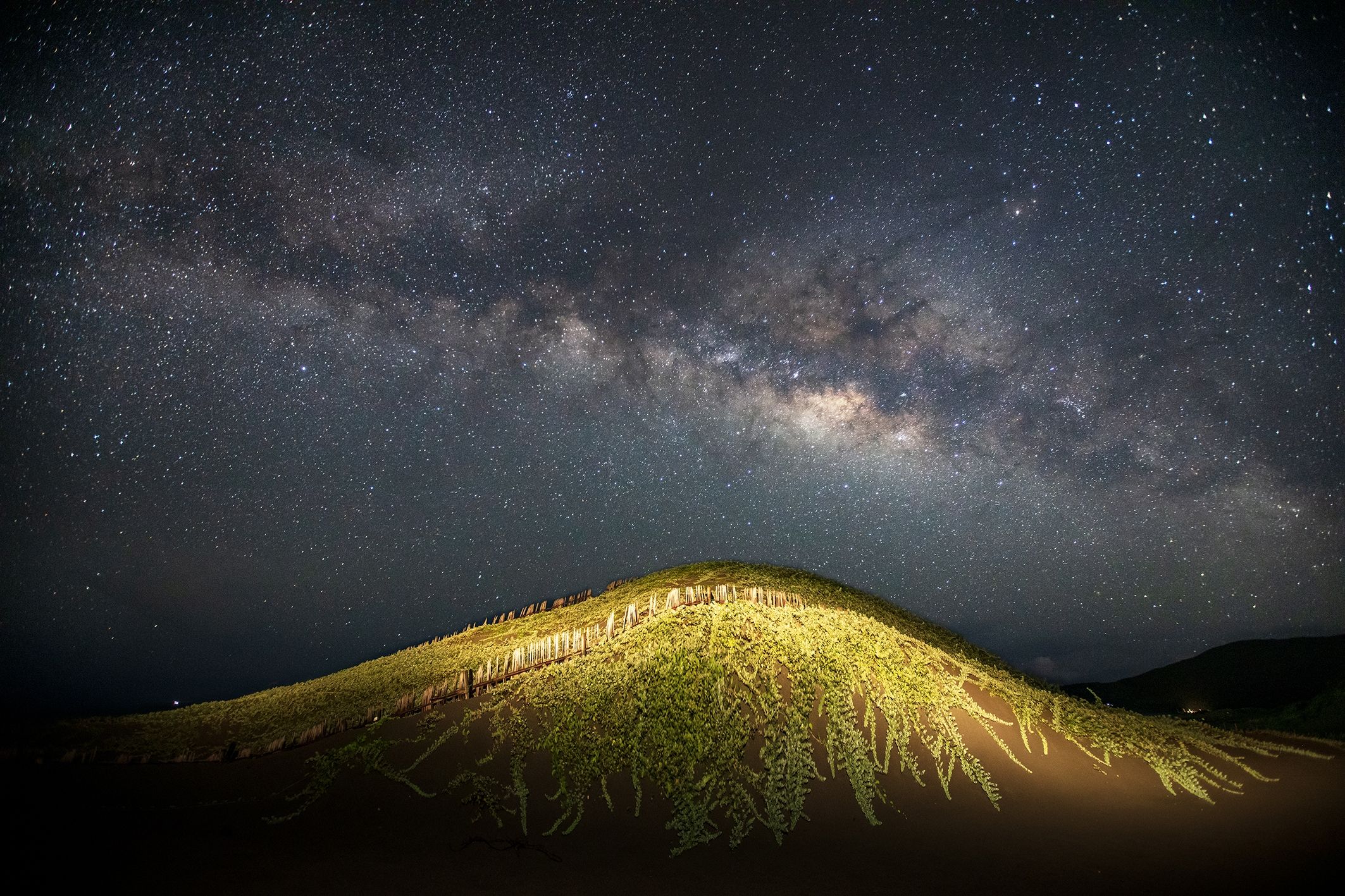
Such was the case for Taiwanese photographer and creative director Shang Yao-Yuan, whose image Milky Way On The Hill earned him bronze recognition in the Nature/Astrophotography category of the Tokyo International Foto Awards 2025.
The image captures a golden, illuminated hill resembling Japan’s iconic Mount Fuji, crowned by the luminous arc of the Milky Way stretching across a star-filled sky. But this isn’t Japan: it’s a scene that simply happened to echo the silhouette of one of Asia’s most photographed landmarks.
You may like
“I found a hill that looked a lot like Mount Fuji on the seashore with desert terrain,” recalls Shang. “Suddenly, Japanese music started to play in the nearby villages and the Milky Way just happened to rise. I had the illusion of being in a foreign country.”
That led him to capture a moment that transcends geographical boundaries; a reminder that photography captures not just what we see, but what we feel.
Technical execution
For camera enthusiasts wondering whether older DSLRs can still compete in contemporary competitions, this bronze-winning image offers a resounding answer.
Shot on July 3 2024 using the Canon EOS 5D Mark III – a camera first released in 2012 – the picture demonstrates that sometimes understanding your gear and the night sky can trump the latest sensor technology.
The 25-second exposure walked a fine line, gathering substantial light from the Milky Way’s faint nebulae while minimizing star trailing. The f/2.8 aperture, meanwhile, suggests that Shang was using a fast lens, likely from Canon’s professional lineup, which would have been crucial for maximizing light gathering while maintaining a relatively modest ISO 4000.
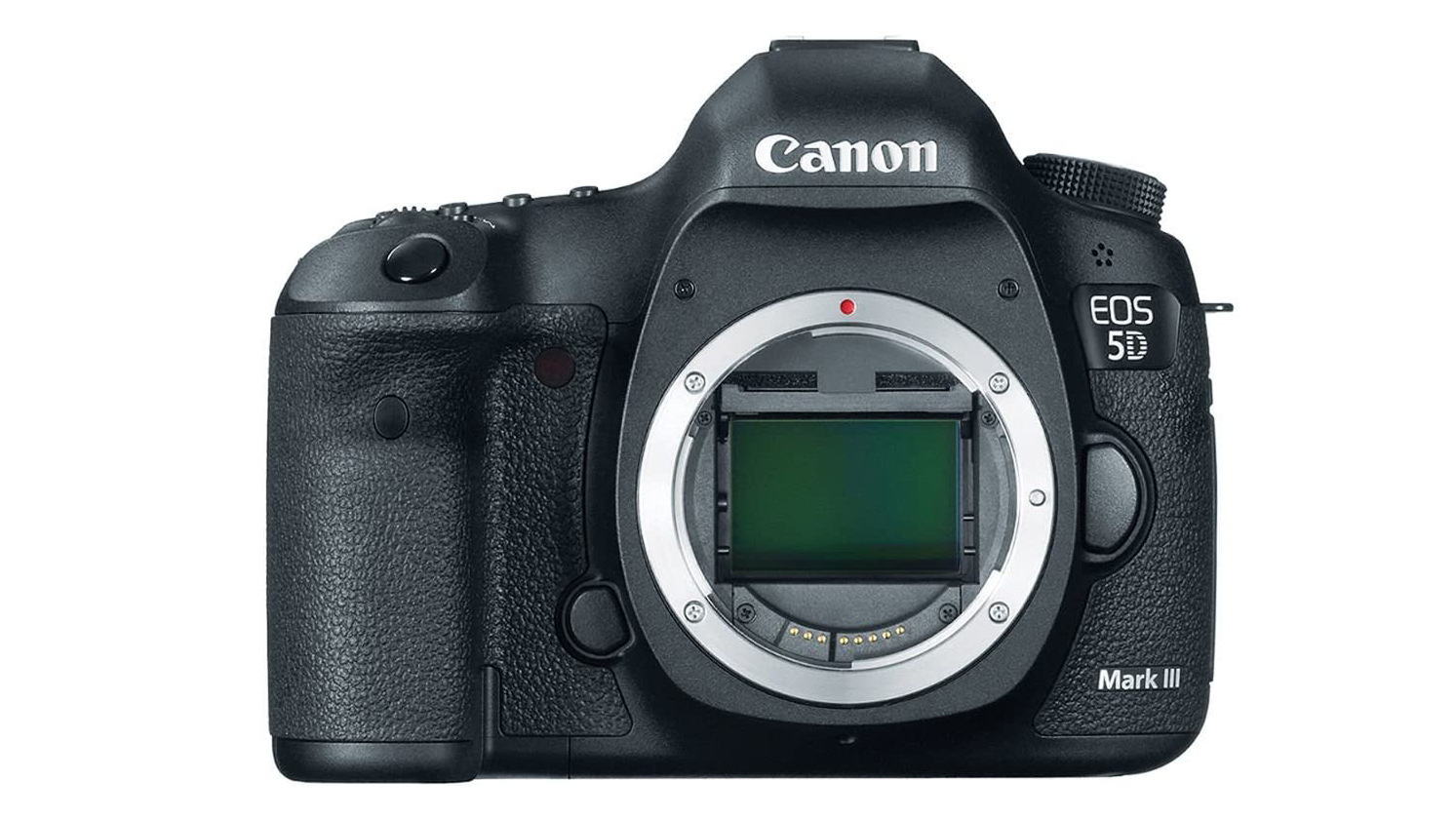
The Canon EOS 5D Mark III has been discontinued by Canon, and replaced by the EOS 5D Mark IV in 2016 (Image credit: Canon)
While modern mirrorless cameras might handle ISO 4000 with less noise, the 5D Mark III’s full-frame 22.3-megapixel sensor remains highly capable in low light, particularly when technique is dialled in.
Its weather-sealed magnesium alloy body, 61-point autofocus system, and exceptional battery life (1,840 shots per charge) make it a reliable tool for night photography’s demanding conditions.
You may like
As for composition, this photograph employs the classic rule of thirds, with the hill’s peak in the lower third and the Milky Way’s core sweeping across the upper two-thirds. The galaxy’s S-curve creates a natural leading line, while the hill’s symmetrical form provides grounding that prevents the vast sky from overwhelming the frame.
Overall, this award-winning image reminds us of three important truths. That success doesn’t depend on having the latest gear. That location scouting pays dividends.
And that while planning is essential, remaining open to unexpected moments can transform a good image into a great one. In Shang’s hands, a camera from another decade became not just a light-recording instrument but a tool for expressing wonder and finding unexpected beauty.
You might like…
Browse the best Canon cameras, and the best Canon RF lenses.
Looking for competitions to enter? Here are 10 photo contests now open for entries from December to May.
AloJapan.com