
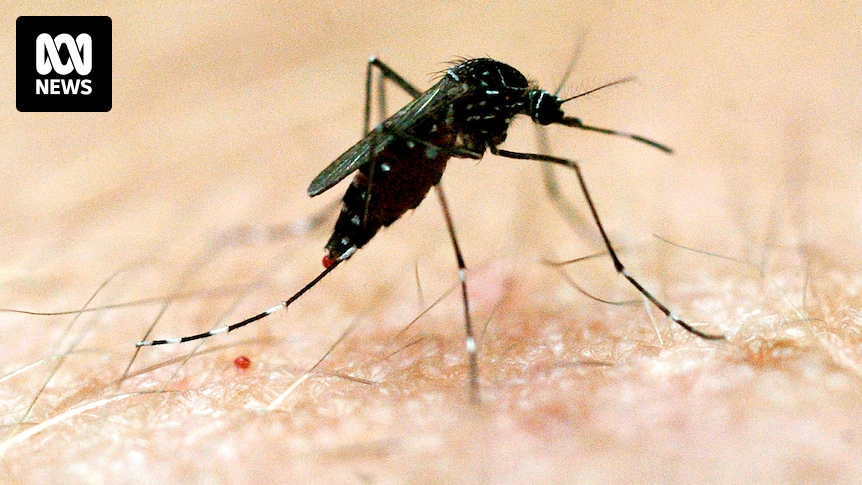
Japanese encephalitis Virus (JEV) has been detected for the first time this summer, in mosquitoes at Horsham, 300 kilometres north-west of Melbourne.
JEV has been circulating in Australia since a major outbreak in 2022, when dozens of cases were recorded and six people died across multiple states.
Sporadic cases have continued to occur in eastern Australia, including in Brisbane in March.
The latest detection was recorded in a monitoring trap in the Horsham local government area as part of the Victorian Arbovirus Disease Control Program, which tracks emerging disease risks.
Most people who contract the virus do not develop symptoms or experience only mild illness.
However, the Department of Health said about one in 250 cases could progress to severe brain inflammation which can be fatal.
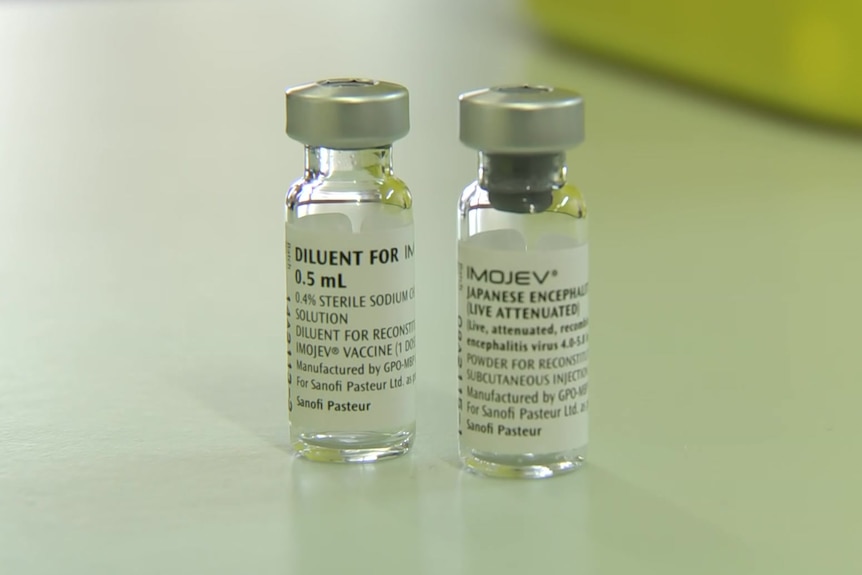
A free Japanese encephalitis vaccine is available (ABC News)
Free JEV vaccine
The Department of Health is urging Victorians to protect themselves from bites this summer.
The Victorian Chief Health Officer Dr Caroline McElnay said early detection was critical to warn communities where people plan to spend much of the summer outdoors.
She said mosquito-borne diseases such as JEV can cause serious illness but were largely preventable through use of repellent, covering up and controlling mosquitoes around the home.
“A free Japanese encephalitis vaccine is available for eligible people due to their increased risk of exposure,” Dr McElnay said.
“Anyone can be bitten by mosquitoes, but people living, working or spending time outdoors in northern Victoria — especially near rivers — may be at higher risk.
“The best protection is to avoid mosquito bites.”
The department said it was working with the Horsham Rural City Council to treat mosquito breeding sites and reduce mosquito numbers in the region.
Loose-fits, light-colours
The Department of Health said the best way to avoid the virus was through minimising the risk of mosquito bites.
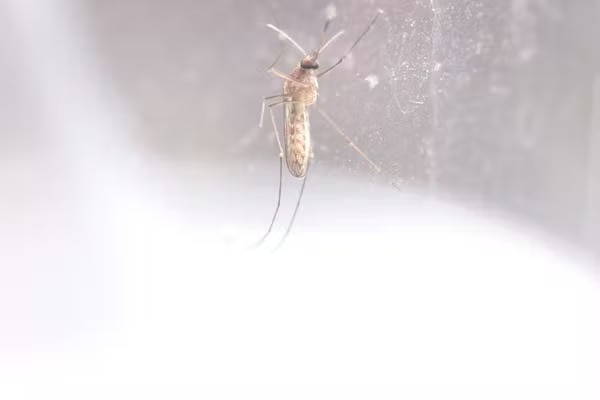
Mosquitoes belonging to the genus Culex are thought to play the most important role in Japanese encephalitis virus transmission. (Supplied: Cameron Webb/NSW Health Pathology)
The Department encouraged the public to:
• Wear long, loose-fitting, light-coloured clothing outdoors
• Use mosquito repellents containing picaridin or DEET
• Limit time outside when mosquitoes are most active (dawn and dusk)
• Remove stagnant water around your home where mosquitoes breed
It said a booster dose to protect against JEV may be recommended once every one to two years after completing the initial course of vaccinations.
The Department encouraged Victorians to speak to their doctor, local council, Aboriginal health service or community pharmacy about the JEV vaccination, and if they are eligible.
AloJapan.com