
To begin, if we look at Japan’s tourism industry as a whole, since the setback of the COVID pandemic, Japan’s tourism has gone from strength to strength—welcoming close to 30 million inbound visitors last year, with further growth expected on the road to the government’s target of 60 million. Japan consistently tops global “must-visit” destination lists. As a company at the forefront of this, in your opinion, what makes Japan such an essential destination for travelers worldwide?
First and foremost, Japan is blessed with abundant natural beauty and a deeply rooted culture of hospitality. Take Tokyo, for example—we have the Shinkansen, the most punctual high-speed rail system in the world, which makes traveling around the country exceptionally easy for visitors. I have traveled extensively myself, and I can confidently say that Japan’s tradition of hospitality, or omotenashi, is truly unique. Wherever you go, even in regions unfamiliar with international tourism, there is a genuine eagerness among locals to provide the very best service and welcome.
Japan also offers extraordinary diversity. From Hokkaido in the north to Okinawa in the south, the cultural, culinary, and natural landscapes are strikingly different. The traditions of Okinawa, for instance, bear little resemblance to those of Hokkaido. The cuisine changes dramatically too—so no matter how many times someone visits, there are always fresh discoveries.
What makes Japan especially appealing is that one can experience so much within such short distances. In Kyoto, you can visit a centuries-old shrine and then dine at a Michelin-starred restaurant in the same day. In Tokyo, you can explore the vibrant metropolis and then, within just an hour or two, unwind in a traditional hot spring. Few countries offer this seamless blend of contrasts—urban and natural, traditional and modern. So, to summarize: efficient transportation, a strong culture of hospitality, and extraordinary regional diversity all combine to make Japan an endlessly fascinating destination.
Many tourists, however, still follow the so-called “golden route”—Tokyo, Kyoto, Osaka—and rarely venture beyond. Despite Japan’s excellent transport network, much of the country remains unexplored by foreign visitors. What do you think needs to be done to attract more tourists to experience the rest of Japan, and what role can tour companies such as yours play in making that happen?
Accessibility is key. The golden route is popular because it is easy to navigate, and the infrastructure there is excellent. But outside those areas, access can be more difficult. Take Shirakawa-go in Gifu Prefecture, for example. It is a UNESCO World Heritage site and already attracts a significant number of international visitors, but the only way to reach it is by bus. Improving transport links to such locations would make them far more accessible to travelers.
Equally important is information—or rather, the lack of it. For instance, we operate a restaurant in Tomonoura, a beautiful historic fishing village in Hiroshima Prefecture. The town is filled with charming kominka—traditional wooden houses—and offers a glimpse into Japan’s living heritage. Yet very few foreign tourists know it exists, despite its proximity to Hiroshima. This lack of awareness is common across many of Japan’s rural gems. At present, government promotional efforts often focus on already-popular sites because they are easier to market. But if we want to attract repeat visitors—people who have already experienced Tokyo, Kyoto, and Osaka—we must shine more light on these lesser-known destinations. Tour companies like ours can play a crucial role by packaging these places into accessible, informative experiences that reduce the intimidation factor for foreign travelers.
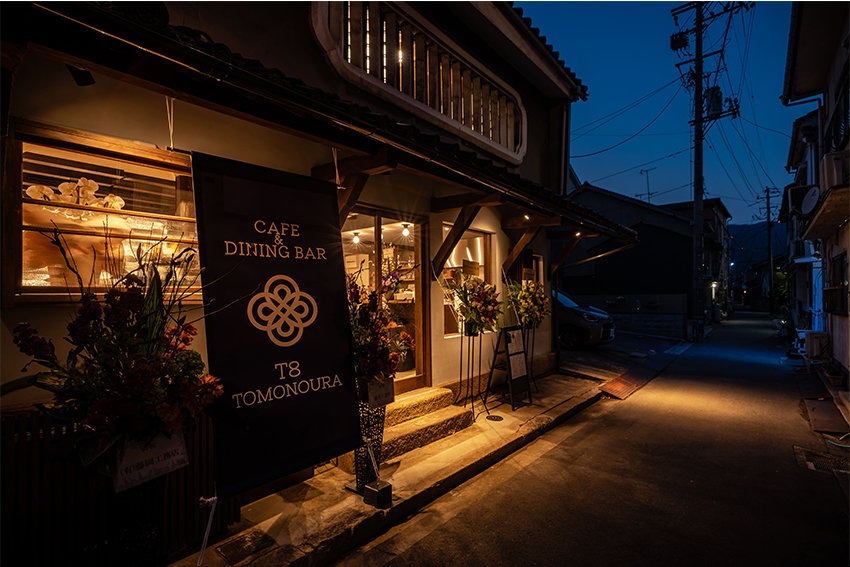
T8 Tomonoura
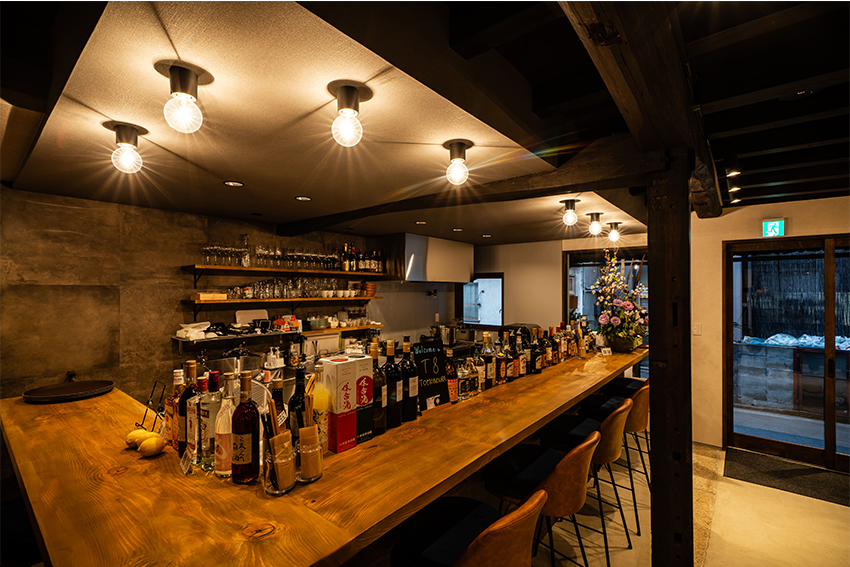
T8 Tomonoura
That is a very interesting point, especially considering the government’s target of 60 million visitors. For your company specifically, what strategies are you pursuing to raise awareness of your tours and encourage travelers to experience lesser-known parts of Japan? And are there particular demographics or source markets you are targeting?
We see two primary segments. First, repeat visitors—people who have already done the golden route and are hungry for something new. Second, travelers seeking premium experiences—the “luxury” segment, though not necessarily the ultra-wealthy. Our role is to connect these travelers with destinations and experiences that they would not find on their own. For example, our guides play an important role in this. Even when leading a tour in Tokyo, they will recommend places such as Shirakawa-go or Hiroshima for future visits. It is about planting seeds of curiosity and encouraging repeat visits.
As for luxury travelers, Japan still faces certain challenges. Infrastructure for ultra-high-net-worth individuals—such as private jet terminals or a wide range of luxury hotels—is still limited compared to Europe or the United States. So rather than targeting the “super-rich,” we focus on high-end travelers looking for authentic but comfortable experiences—luxury that Japan can realistically provide. This might include private cultural encounters, exclusive access to heritage homes, or curated stays at boutique accommodations.
Your company has organized over 30,000 tours and welcomed more than a million visitors since its founding. Could you describe the core strengths that set your company apart in such a competitive tourism landscape?
One of our key strengths is our guides. Whenever possible, we pair visitors with guides from their own countries or cultural backgrounds. For example, Singaporean guests may be accompanied by a Singaporean guide, while Italian visitors might have an Italian guide. These guides understand not only the language, but also the cultural nuances and preferences of their clients. Often these guides have lived in Japan for many years, so they combine deep local knowledge with an understanding of what resonates with travelers from their home countries. This dual perspective allows them to highlight aspects of Japan that their guests will find particularly meaningful. Another strength is our long-standing relationships with local governments, tourism boards, and other partners. Because of these connections, we often receive early access to information and opportunities to promote emerging destinations. This enables us to introduce our customers to hidden gems that are not widely known, adding uniqueness to our tours.
You also serve corporate clients, particularly in the growing field of incentive and MICE (Meetings, Incentives, Conferences, and Exhibitions) travel. How do you see this segment evolving, and how do you tailor your services to meet the needs of diverse clients?
Incentive travel has been growing strongly, particularly from Asia and Southeast Asia, where there is a strong tradition of company-sponsored reward trips. In the past, destinations like Hawaii were common, but Japan has become increasingly attractive because it offers such varied experiences—snow in Hokkaido, subtropical islands in Okinawa, ancient culture in Kyoto.
What differentiates our approach is that we don’t see incentive travel as just sightseeing. We focus on fostering shared experiences that strengthen bonds among participants. For example, during bus journeys between destinations, our guides may organize games or interactive activities to encourage camaraderie. These seemingly small moments are often what make the trip memorable and impactful for the company. In short, we design programs not just around destinations, but around experiences that boost team spirit and morale—so that participants return home not only with memories, but also with stronger connections to one another and to their company.
You recently launched T8, which combines an online platform with physical cultural venues such as your space in Asakusa. Could you share the concept behind this project and how it enhances the cultural experience for visitors?
T8 was created to promote hidden aspects of Japanese culture and destinations in ways that visitors can experience casually and enjoyably. We currently operate two venues—one in Monogura, Hiroshima, which is still very much off the beaten path, and one in Asakusa, Tokyo. In Hiroshima, our restaurant serves as a starting point to attract attention to the region, with the goal of building out more venues and experiences around it. In Asakusa, which is already a popular district, we wanted to go beyond the usual walking tours or street food experiences and provide opportunities for deeper cultural engagement.Visitors can try activities such as calligraphy, mizuhiki (traditional decorative knot-tying with paper cords), tea ceremony, and sake tasting. These are designed to be accessible—anyone can participate, regardless of skill level—and they offer a fun, hands-on introduction to Japanese culture. At present, we offer these experiences in Japanese and English, and the response has been very positive.
Returning to luxury travel, how does your company serve the needs of high-end travelers, given that Japan is sometimes perceived as underdeveloped in this area?
For luxury travelers, we of course arrange stays at Japan’s finest hotels, but we also focus on creating experiences that go beyond conventional tourism. For example, we organize private stays at heritage homes, or immersive farm experiences where guests can enjoy rural hospitality. We also secure access to exclusive or restricted spaces, offering something truly unique. The aim is not simply to provide luxury in the Western sense of opulence, but to deliver authentic, rare, and memorable encounters that reflect Japan’s character.
Beyond tours, you also operate initiatives such as TAS Hub and your overseas PR business. How do these support international partners, and are you looking to expand your network further?
Many Japanese municipalities and businesses want to promote themselves overseas, but when they attend trade fairs or business events, they often present too much information in ways that overwhelm or confuse international audiences.With TAS Hub, we act as a consultant—helping them refine their messaging, identify the most relevant channels, and package their offerings in ways that resonate abroad. Because of our international experience, we understand what overseas partners are truly looking for. We not only support them with marketing materials, but also with business matchmaking, introductions, and advice on the entire process of expanding internationally. Yes, we are very much looking to expand these partnerships further.
You also have several overseas bases—in Southeast Asia, South America, and elsewhere. How do these local offices contribute to your global growth strategy?
Having local offices staffed by local people is critical. It means we are not outsiders observing from afar, but participants in the market itself. This allows us to understand real-time trends and consumer preferences in a way that online research alone cannot capture. These insights help us adapt our strategies to each market and build deeper, more meaningful relationships with partners and customers.
In terms of inbound visitors, are there particular countries or regions where you see the strongest growth?
At present, our visitors are quite evenly spread, but recently we have seen significant growth from Europe—particularly Greece and Israel—as well as from South America. These are markets we are actively focusing on in addition to our existing strengths in Asia.
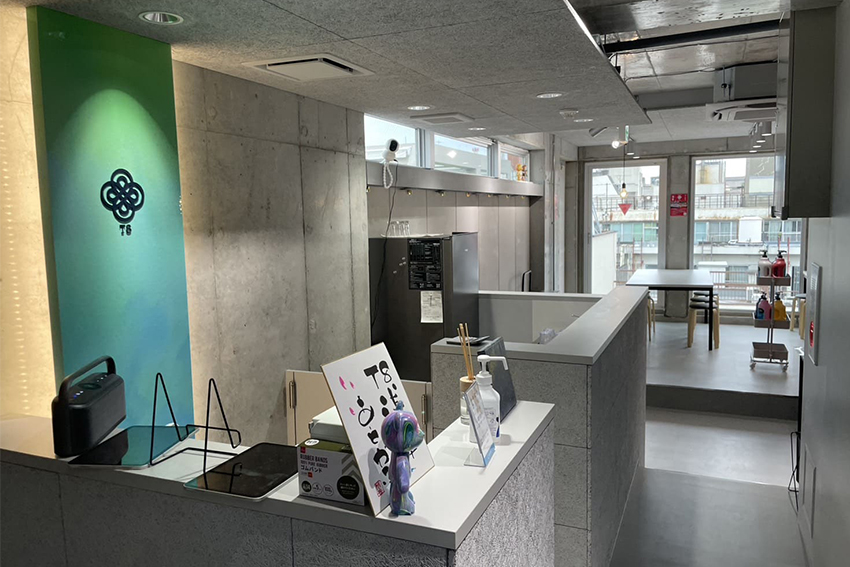
T8 Asakusa
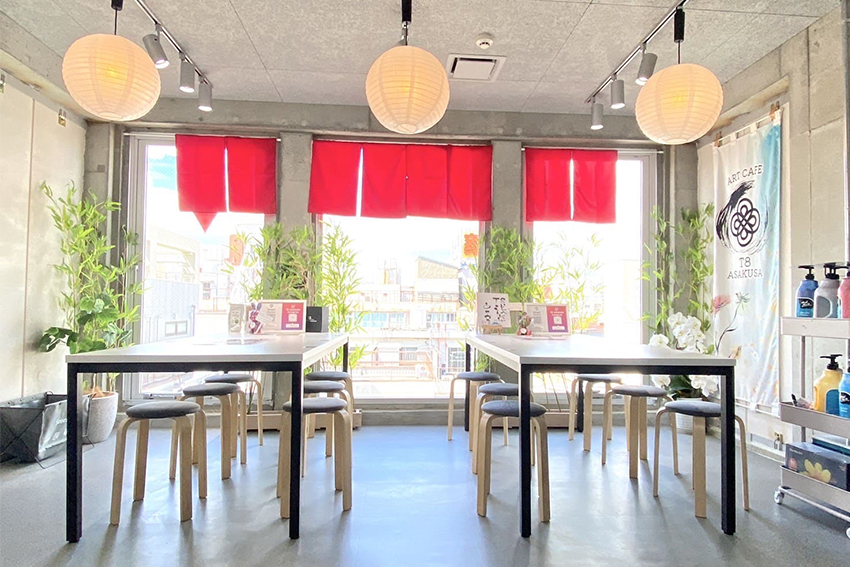
T8 Asakusa
A difficult question perhaps, but if you had to recommend one or two of your tours or experiences to our readers, what would they be?
One experience I would highlight is our farm stays, particularly in Nagano. Guests can participate in seasonal agricultural activities such as rice planting or grape harvesting, paired with visits to local hot springs and opportunities to enjoy regional cuisine. Another unique offering is our “jibie” experience, where participants can learn about traditional hunting practices. For example, we set traps in the mountains and then prepare and cook the game the following day. It is a very immersive, hands-on experience that connects people with both nature and tradition. Combined with Nagano’s hot springs and scenic beauty, it becomes an unforgettable package.
Finally, if we were to return in five years to interview you again, what would you hope to have accomplished as President of TAS, and where do you envision your company at that point?
Currently, our strength lies in group tours. However, we recognize that independent travel—FIT, or “Free Independent Travelers”—is the fastest-growing segment. We recently launched ourjapanmoments.com, a booking platform similar to Klook, but with a focus on more unique, authentic activities such as farm stays. In five years, I would like TAS to be recognized as a leader in this FIT space. When travelers are looking for new, distinctive experiences in Japan, I want them to think of us first.
For more information, visit their website at: https://tas-japan.net/
AloJapan.com