
Transcript
Transcript
Transcript
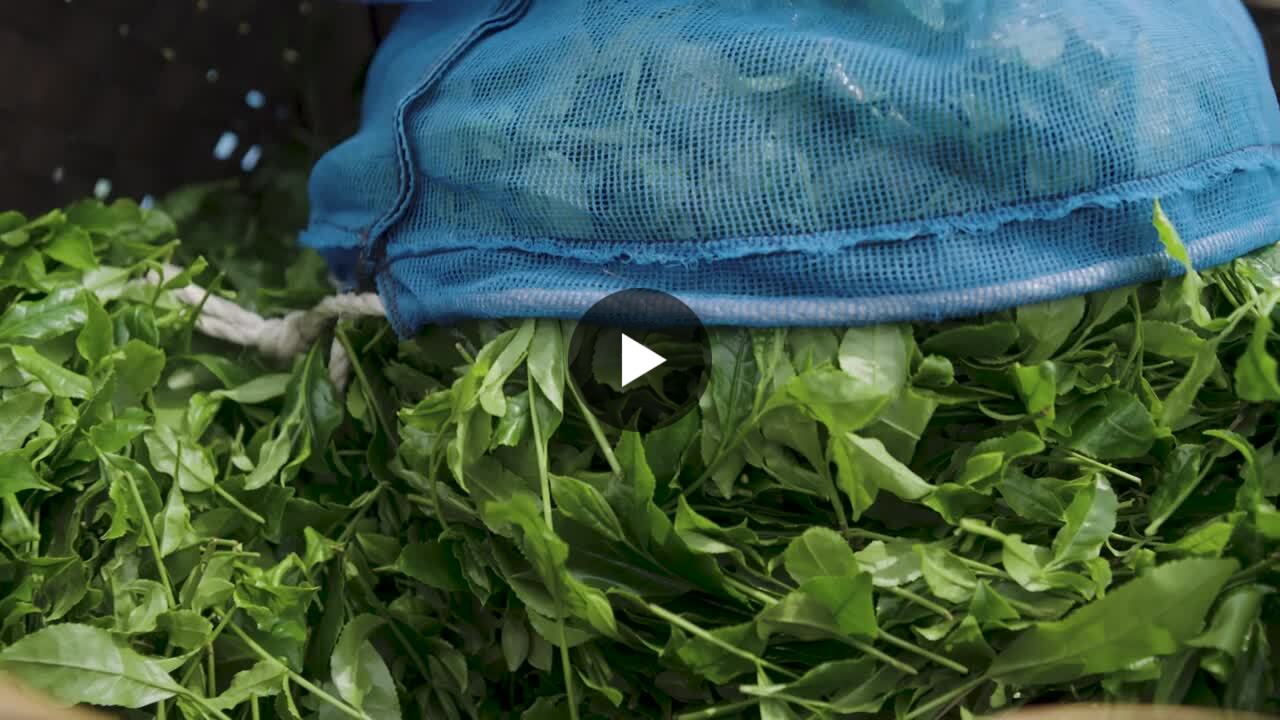
The US imports over 2000 tons of this bright green powder from Japan a year. This specific powder is the highest quality and most expensive version of matcha, known as ceremonial grade. As the matcha frenzy reaches new heights in the US, more Western consumers are opting for this type of matcha over less expensive versions or matcha grown outside Japan, but with Japanese farmers struggling to keep up. With demand matcha shortages around the world and prices soaring to new records, picky matcha drinkers might actually be making the problem worse. We do have so crazy matcha connoisseurs I come in, but these labels may not be as definitive as we think. Anyone can label anything as ceremonial grade and use it as a marketing term. So are people in the US drinking matcha all wrong? And is that the only reason why matcha is more expensive than ever? Matcha drinkers in the US typically think about the tea in two quality based categories, culinary grade, the lower quality version and ceremonial grade, the higher quality one. But in Japan, the traditional classifications were completely different based on when the T was served during a Japanese tea ceremony known as chanoyu. Gouache or thick tea was served at the beginning, and usucha or thin tea would come at the end. For koicha, like a thick soup or of like melted ice cream would be a good way to describe the consistency. It’s really viscous. Rebecca Corbett has been studying and practicing Chanoyu for over 20 years. Because of that viscosity and there’s so much tea in there, you want it to be the highest quality blend that you can get. For usucha, practitioners whisked the matcha powder with more water, creating a lighter, frothier drink. We can think of the thin tea portion of a tea gathering as kind of the most informal and relaxed part at the at the end of the tea gathering. For centuries, ceremonies like these were the primary way macho was consumed in Japan. Most people in Japan did not consume much are very often. It’s main consumption was among people in the tea practitioner community. It wasn’t until the 20th century that people in Japan began consuming macho more casually. It also became a popular flavoring and baked goods and desserts. But in the US it was still nearly impossible to find. In the early 2000s, Japan exported just one. Percent of its tea Matcha was always more expensive than other teas. Around this time, a pack of green tea bags in the US cost around 3 to $4.00, while a small tin of matcha could cost up to 10 times more. And the bold taste of matcha in its pure form was another barrier for Western drinkers. I’ve read a lot of newspaper articles and travel Diaries. They’re using phrases like green gruel, bitter, unpalatable. They used pea soup as a common description in a not flattering way. But 2006 marked a turning point for matcha in the US That’s when Starbucks brought matcha to the masses through its green tea latte. Unlike its traditional preparation, this drink was sweetened, served with milk and either served hot or iced. People knew Starbucks. I mean, there, there’s built-in audience there. That’s Rona Tison, the North America T ambassador for the Japanese brand Ito Ng. The fact that they introduced matcha in a beverage that was more familiar to a lot of, you know, sweetened beverages, I would have to say that was probably the beginning that it really kind of went mainstream and widespread. In 2007, the term ceremonial grade matcha was coined in the West. According to Canadian brand Do Matcha, it was their founder who came up with the category. It was created to differentiate it from culinary grade. Matcha, which is intended for cooking or baking with a stronger, slightly bitter flavor. Culinary tends to be much more older lant and not of the really high grade tea leaf. The higher quality ceremonial grade matcha is typically made from young tea leaves that come exclusively from the first harvest of the picking season. It’s rich in the chemical El theanine, which gives the tea slight natural sweetness, making it better for drinking. Ceremonial grade matcha is typically priced higher than culinary grade matcha, costing anywhere from 20 to over $50 per oz, while culinary grade matcha is typically under $20 per oz. Machos popularity in the US continued to grow in the 20 tens, with Google searches for matcha beginning to rise more steadily around 2012. Eto N Rona, Tison’s tea company, rolled out its matcha love line in 2015. Even business. Insider covered the craze, releasing several videos about the bright green tea powder. I’m getting hungry. With the power of social media is pretty phenomenal and it really the outreach globally is amazing. Today, the US is the biggest importer of Japanese matcha, accounting for nearly 80% of the country’s powdered green tea exports in 2024. Google searches for matcha reached an all time high in 2025. There are even cafes dedicated solely to the green tea powder. You’ll find it in almost everything on the menu at the New York City. Cafe Ayoko matcha, matcha lattes, matcha soft serve and even Gelato. Ayoko Matcha has only been open since August 2025. Its owner, Isabella Pang says business is booming as prices for matcha continue to climb. Customers are really happy with it and it turned out better than I thought actually. She uses only ceremonial grade matcha in all of her matcha desserts, which she says she sources directly from Japan. Save account for the module takes specifically because they wanna like taste all different modules in the city. We do have so crazy matcha connoisseurs. I come in and it’s like, this is super good or like this is a little bit too sweet. You mainly consists of desserts with its matcha mochi parfait being one of the most popular. It starts with a base of matcha pudding and syrup. So we do make our pudding in house, but it’s very light. It doesn’t taste sweet at all. Then it’s layered with matcha soft serve rice crisps, more soft serve mochi balls and red bean paste. Our gelatos are specialty. Right now we do have levels one through 5, one being the most sweet and five is being the most. Butter so personality Level 3 because it’s right in the middle, but people that love Mantra go straight to the level 5. It’s not just cafes like Ayoko Matcha. Fueling this recent matcha craze. Communities are forming in pockets of the Internet such as Matcha Talk, where matcha enthusiasts share recipes and tips. As I’ve always said, matcha is very versatile, but goodness, it’s been sort of applied in so many different food products and beverages. But producing enough for matches growing fan base is becoming increasingly challenging. Centigrade. We first met Kentaro Yamamoto back in 2022 on his over 180 year old farm in Kyoto. The region is responsible for 25% of Japan’s production of tencia, the tea leaf from which matcha is made. The harvest begins in the spring, when workers gather the young leaves used for ceremonial grade matcha. Any. Kawaki. You don’t know. But it’s more than just Western categories putting a strain on Japanese supply. This is Gentaro’s elaborate shading system designed to protect the leaves, a step that’s perhaps become more important than ever. In 2024, intense heat waves damaged T bushes in Kyoto. So. You don’t need to have done this scandal. So. All I could do. Timing roads. Russia there. Ohh Shukur dining. And that’ll be good. Yoyo Chara. But even with these adjustments, he says his farms yields took a hit.
AloJapan.com