
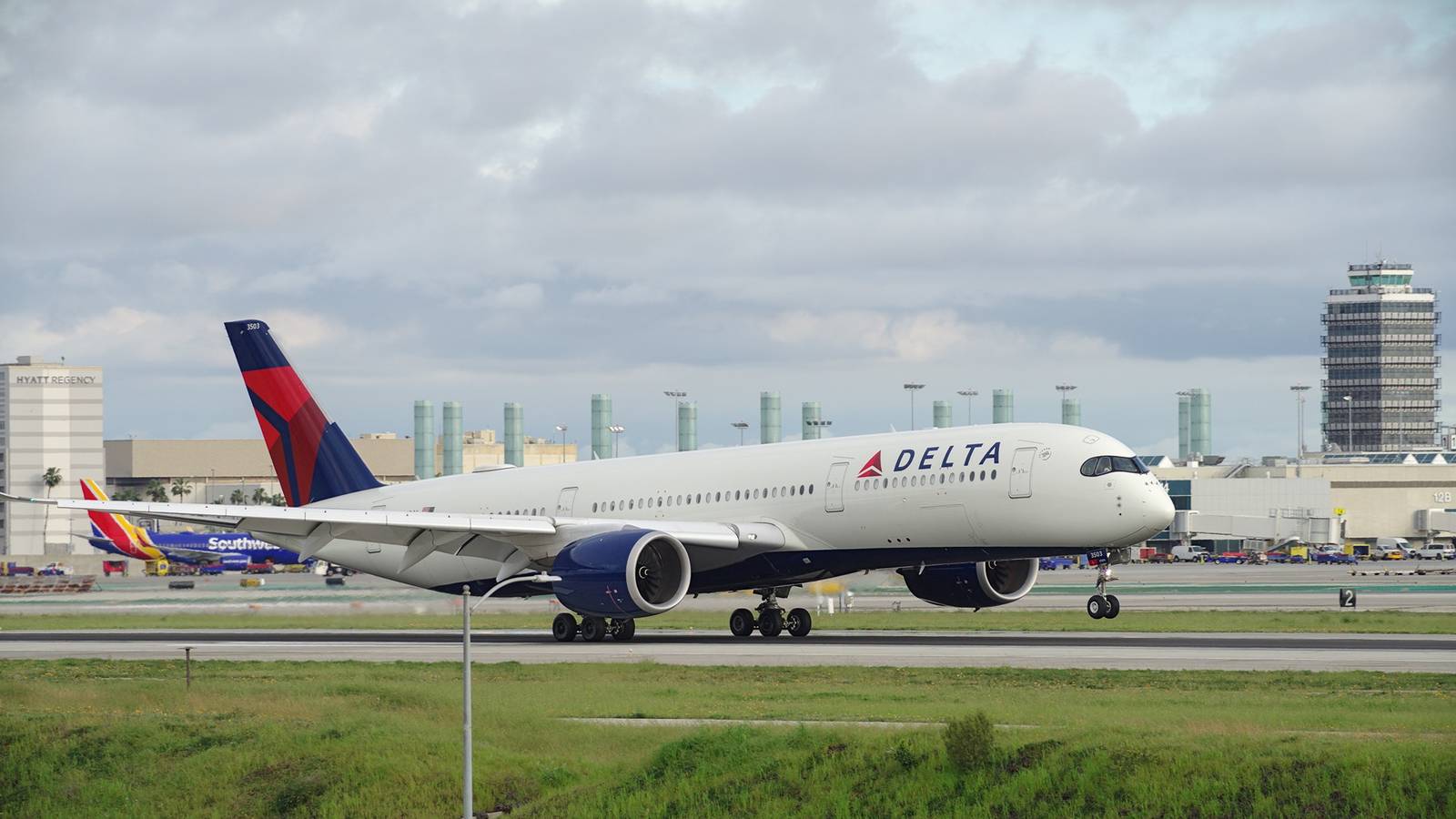
Passengers onboard a  Delta Air Lines flight between Shanghai and Detroit ended up in Japan after the Airbus A350-900 operating the flight encountered a hydraulic issue. The captain, out of an abundance of caution, declared an emergency landing and closed the runway at
  Tokyo Haneda Airport (HND) for some time after its arrival.
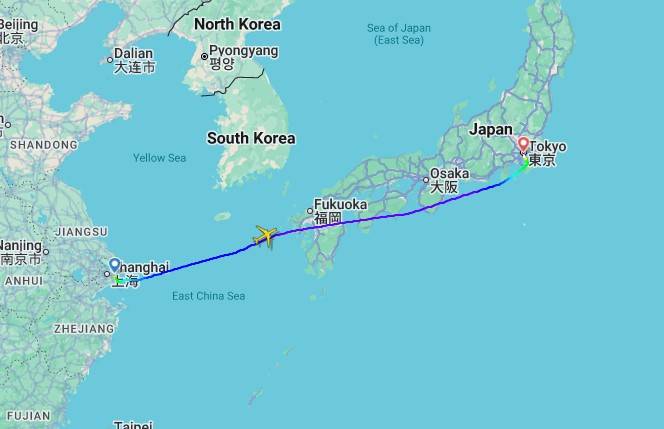
The flight, first reported by AvHerald, noted the flight operating as Delta Flight 388, had departed from Shanghai on Friday, November 28, and was just 140 nautical miles (259 km) north of Tokyo when the crew opted to divert. The aircraft was met by emergency teams on the ground as soon as it touched down in the Japanese capital city.
Stranded In Japan
Credit: Shutterstock
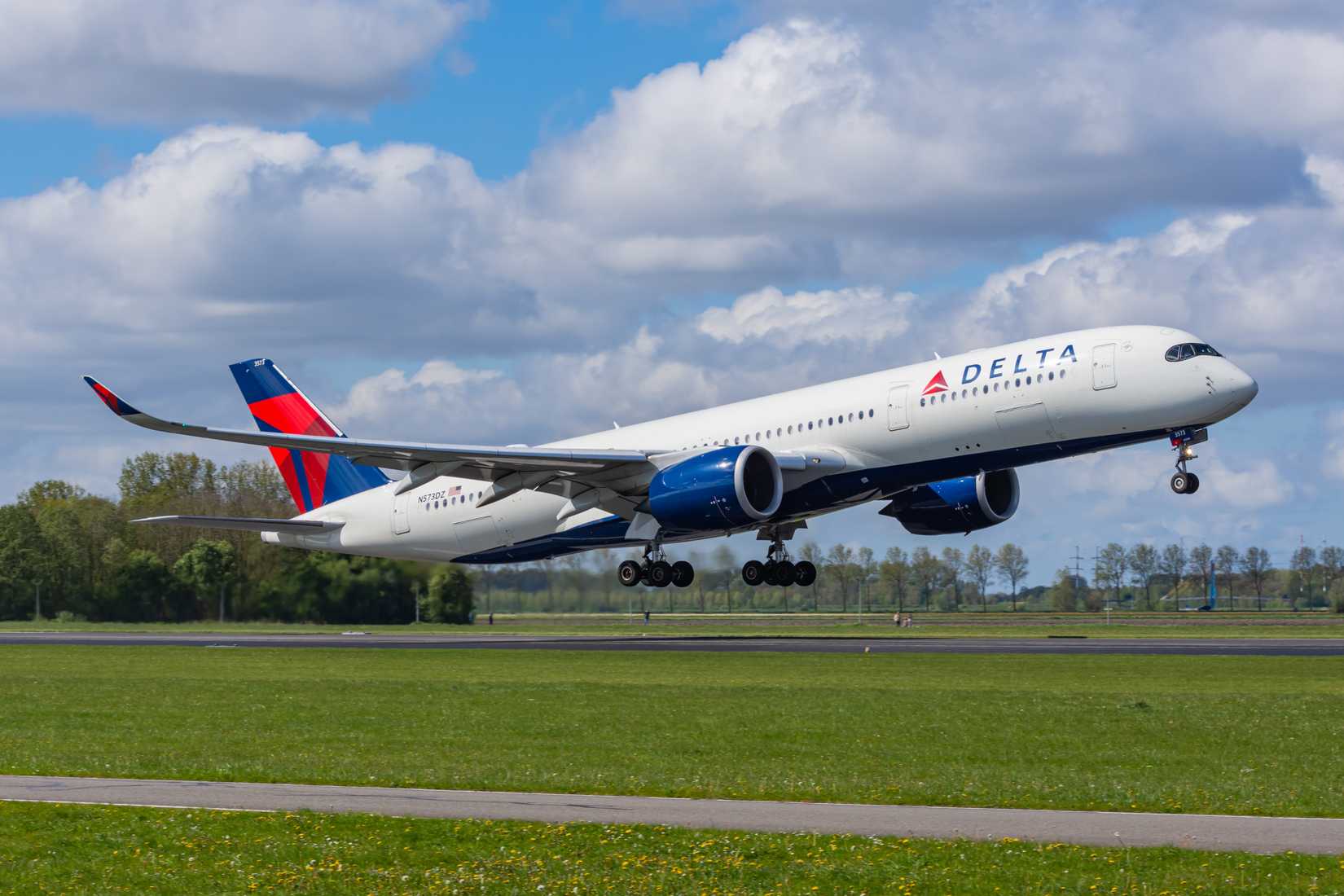
Delta Airlines operates a daily non-stop flight between  Shanghai Pudong International Airport (PVG) and
  Detroit Metropolitan Wayne County Airport (DTW). The service, which usually takes 13 hours gate to gate, has a scheduled departure time of 17:30, arriving in Detroit at 18:05 the same day.
On November 28, the aircraft had pushed back from the gate at 17:46 to travel Northeast towards the United States. As the flight had just passed over Japan, the flight crew identified a hydraulic issue, which led to the cautious decision to divert to the closest major airport.
The crew declared an emergency landing relating to a hydraulic system problem, and 30 minutes later, they landed safely on Runway 34R at Haneda. Simple Flying reached out to Delta Air Lines for comment and received this response from their spokesperson:
“On Nov. 28, the crew of Delta flight 388 followed procedures to divert to Tokyo-Haneda after reporting a mechanical issue while en route from Shanghai to Detroit. The aircraft landed safely, and we apologize to our customers for the delay in their travel plans. Nothing is more important than the safety of our customers and crew.”
Aircraft Remained In Japan Overnight
Credit: GCMap
As already mentioned, the A350 was greeted by emergency services near the runway as it touched down at Henada. The runway remained closed for approximately 30 minutes following the aircraft’s arrival before being towed to the gate. Subsequently, the rest of the flight was cancelled.
Data from Flightradar24 show that the aircraft in question, a nearly seven-year-old A350-900, registration N512DN, remained on the apron overnight before being repositioned to  Seattle-Tacoma International Airport. The aircraft departed from Haneda as DL9888 on November 29, departing at 23:14, and arriving in SEA at 14:26. A corresponding service under the same flight number was then added to Detroit, arriving at 23:02 that same day.
The aircraft has since returned to regular service, having traveled from Detroit to Seoul on November 30, and at the time is writing, will operate DL26 from Seoul to Atlanta this evening (December 1).

Related
24-Year-Old Delta Air Lines Boeing 767-400ER Returns To Service After Engine Shut Down During Mid-Flight
A sudden loss of power mid-flight forces an emergency landing. What went wrong on this international journey?
N512DN Aircraft Details
Credit: Shutterstock
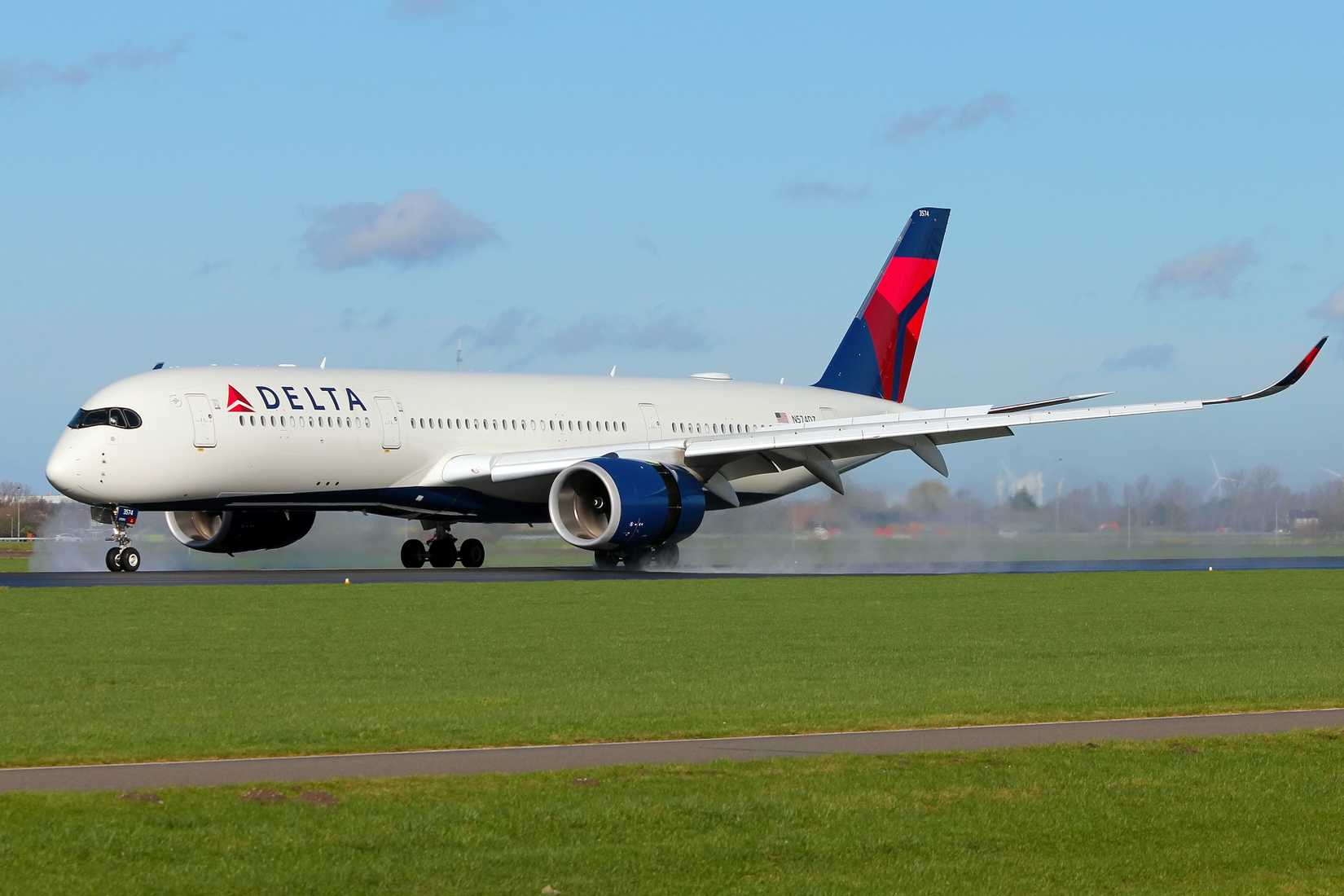
The aircraft at the centre of this drama was Airbus A350-941 for Delta Airlines, bearing registration N512DN, serial number 267. The airplane took its first test flight under French Airbus registration F-WZGE in December 2018. The aircraft is configured in a three-class layout, including 32 Business, 48 Premium Economy, and 226 economy class seats. Specific data below as per ch-aviation:
Registration
N512DN
Serial Number (MSN)
267
First Flight Date
December 12, 2018
French Airbus Test Registration
F-WZGE
Delivery Date
January 26, 2019
Powered by two Rolls-Royce Trent XWB-84 engines, the aircraft was delivered to Delta in January 2019, where it has operated a range of the airline’s long-haul services. The aircraft is one of 38 A350-900 in operation for the carrier, with another six on order. Delta will also welcome the larger A350-1000, which is set to arrive in 2026.
Hydraulic issues on the Airbus A350 are rare and can relate to uncommanded flight surface movements (where the plane could move suddenly without human intervention). This leads airlines to take a cautious approach to address the safety risks, and therefore resulted in the right move by the crew to divert to Japan for further inspection.
AloJapan.com