3 Attractions of Yokohama #japan #japantravel #yokohama
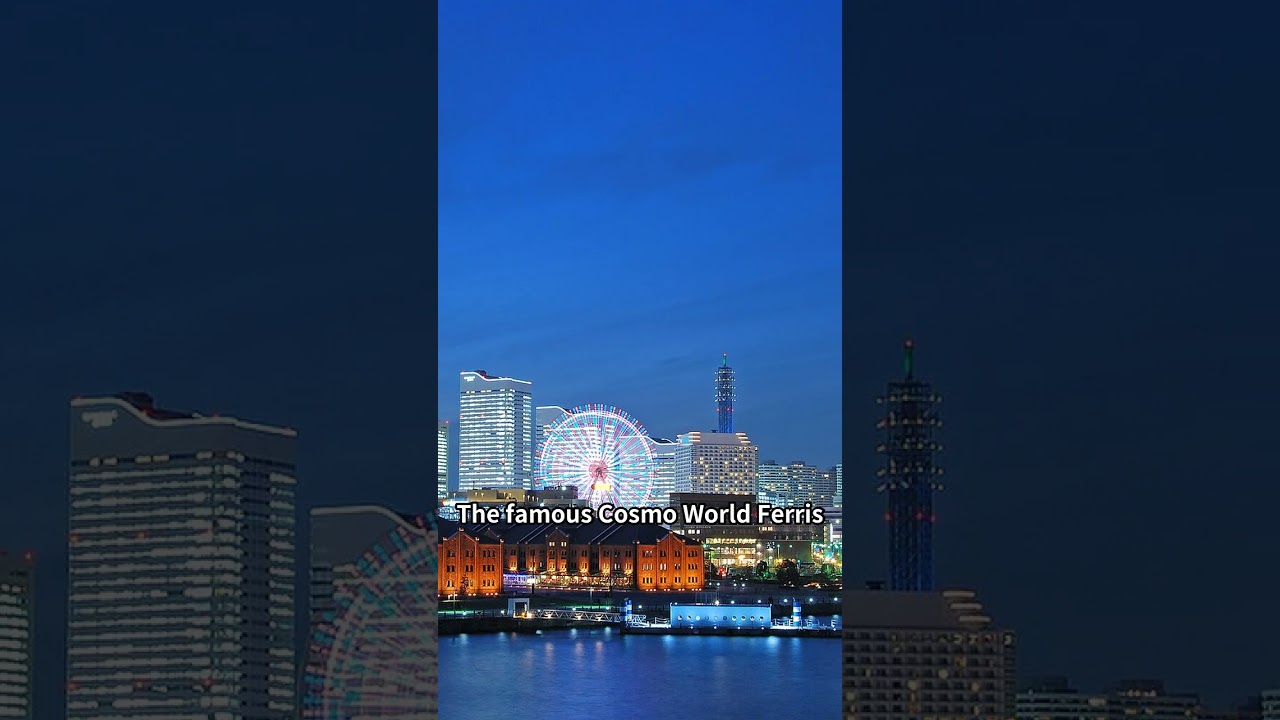
Picture stepping into a city where centuries old temples stand alongside Victorian mansions, where the aroma of authentic ramen mingles with French pastries on the same street. This isn’t a fantasy. It’s Yokohama, Japan’s second largest city that captivates foreign visitors like no other destination. When Commodore Matthew Perry’s black ships arrived in 1853, they forever changed Japan’s relationship with the world. Yokohama became one of the first ports to open to Western trade in 1859, transforming from a small fishing village into an international gateway. This pivotal moment created something extraordinary, a city where east truly meets west in the most authentic way possible. The first irresistible attraction is Yokohama’s unique cultural fusion. Unlike Tokyo’s modern cosmopolitanism, Yokohama’s international character runs centuries deep. The Yamade district showcases perfectly preserved westernstyle mansions from the Maji era, complete with English gardens and Victorian architecture. These weren’t built as tourist attractions. They were actual homes of foreign diplomats, merchants, and missionaries who made Yokohama their permanent residence. Today, visitors can walk through the bluff area and feel transported to 19th century Europe, then stroll 5 minutes to traditional Japanese shrines that predate the foreign settlement. The architectural diversity tells the story of genuine cultural exchange. The red brick warehouse, originally built in 1911 for customs operations, now serves as a cultural center, hosting everything from Bavarian Christmas markets to traditional Japanese festivals. This seamless blend isn’t manufactured for tourism. It’s the authentic result of 160 years of international coexistence. The second magnetic quality is Yokohama’s remarkably relaxed atmosphere compared to the intensity of nearby Tokyo. Despite being home to 3.7 million people, Yokohama maintains a coastal city’s unhurried pace. The Manato Mi waterfront district exemplifies this perfectly. Here, modern skyscrapers rise from spacious plazas and parks rather than cramped streets. The famous Cosmo World Ferris wheel rotates slowly against the harbor backdrop, creating an almost Mediterranean ambiance rare in Japanese mega cities. This relaxed vibe extends to the city’s layout and lifestyle. Yokohama’s streets are notably wider than Tokyo’s with more green spaces and fewer crowds. The harbor prominads encourage leisurely walks, while outdoor cafes along the Kana district invite lingering conversations, a stark contrast to Tokyo’s rush everywhere culture. The third compelling attraction lies in Yokohama’s extraordinary historical and cultural sites. Japan’s largest Chinatown spans several city blocks, featuring over 600 shops and restaurants within ornate gates and colorful buildings. This isn’t a theme park recreation. It’s a living community where third and fourth generation Chinese Japanese families continue traditions brought by their ancestors in the 1860s. The juxtaposition is remarkable. Within walking distance, visitors can explore Sankan Garden, a traditional Japanese landscape featuring historic pagotas and tea houses, then visit the Yokohama Museum of Arts contemporary exhibitions before ending at the historic Aarena Cultural Center. Each site represents different layers of the city’s complex identity, offering foreigners a compressed course in Japan’s modernization story, while providing the comfort of familiar international elements that make exploration feel welcoming rather than overwhelming.
We’ll introduce some recommended sightseeing spots in Yokohama, one of the most famous tourist destinations near Tokyo.
With a long history as a port city, Yokohama’s scenery and famous sites will give you a firsthand feel for Japan’s modernization.

AloJapan.com