
🔖 6 min read
Sapporo is the largest city on Japan’s northern island, yet the region’s real magic lies far beyond Odori Park’s snow statues or Susukino’s neon maze. Ski resorts, onsen villages and lavender plateaux are scattered across a landscape four times the size of Wales. Public transport can take you to the obvious highlights, but it rarely synchronises with early‑morning powder runs in Niseko or late‑night seafood hunts in Otaru.
A rental car bridges those gaps, letting you detour down coast roads in search of drift ice or swing by a farm café that closes before the next bus even arrives. Skyscanner’s 2025 figures put a compact car at about £180 for a seven‑day hire, with the wider market average sitting near £380 once peak‑season surcharges kick in. Compared with two rail passes and half‑a‑dozen taxi transfers, the maths tilts in the car’s favour for couples and small groups.
Alternatives for the Licence‑less Traveller
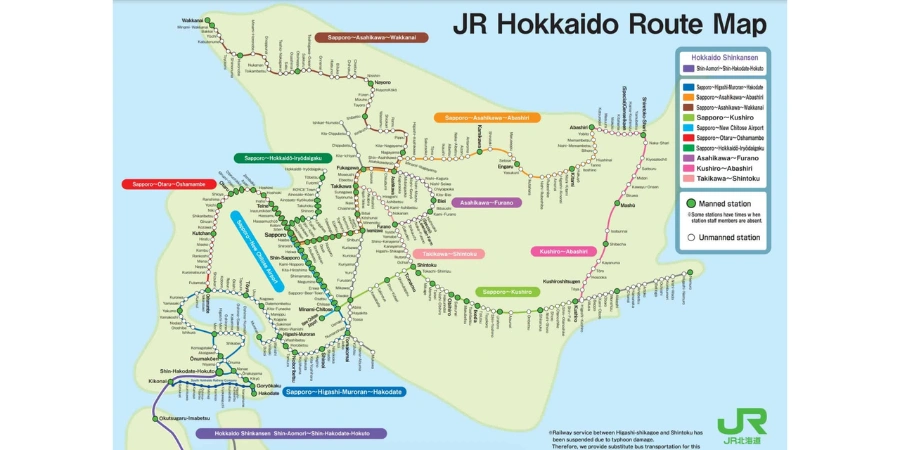
If you cannot or would rather not drive, Sapporo’s subway and streetcar networks cover most urban errands; a one‑day streetcar pass costs just ¥500 and can be bought from conductors on board. Long‑distance day trips are handled by JR Hokkaido, whose five‑, seven‑ and ten‑day rail passes now range from ¥23,000 to ¥38,000 following April’s price revision.
Highway buses link ski resorts for roughly half the rail fare, while local tour outfits charter winter shuttles with English commentary. Cyclists will find summer rental bikes around JR Sapporo station, and for door‑to‑door convenience there is always the region’s dense network of taxis — though flag‑falls of ¥650 mount quickly on rural roads.
Which Driving Licence to Pack
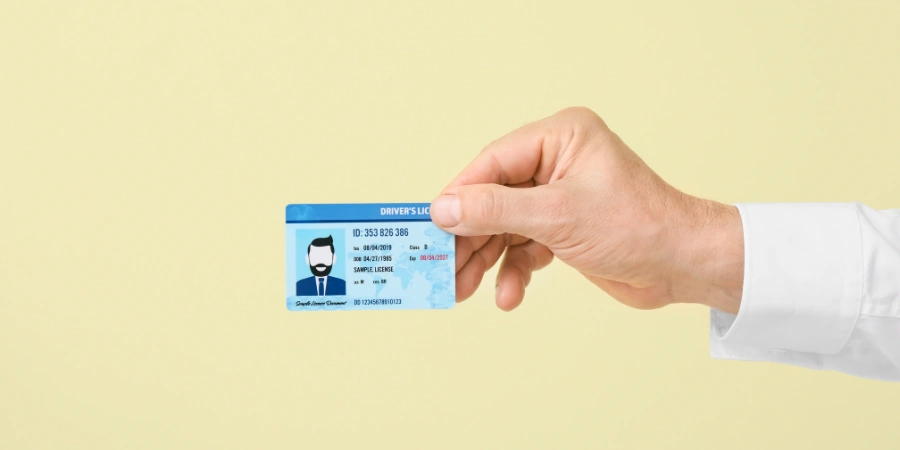
Japan recognises the 1949 Geneva Convention International Driving Permit (IDP). British visitors must therefore travel with both their photocard licence and an IDP obtained from the Post Office before departure.
Visitors from France, Germany, Switzerland, Belgium, Monaco and Taiwan use a certified Japanese translation of their domestic licence produced by the Japan Automobile Federation (JAF).
Keep these documents together because rental staff will photocopy them, and traffic police may ask for them alongside the compulsory notice letter that the hire desk prints to confirm you are the named driver.
Choosing a Rental Company
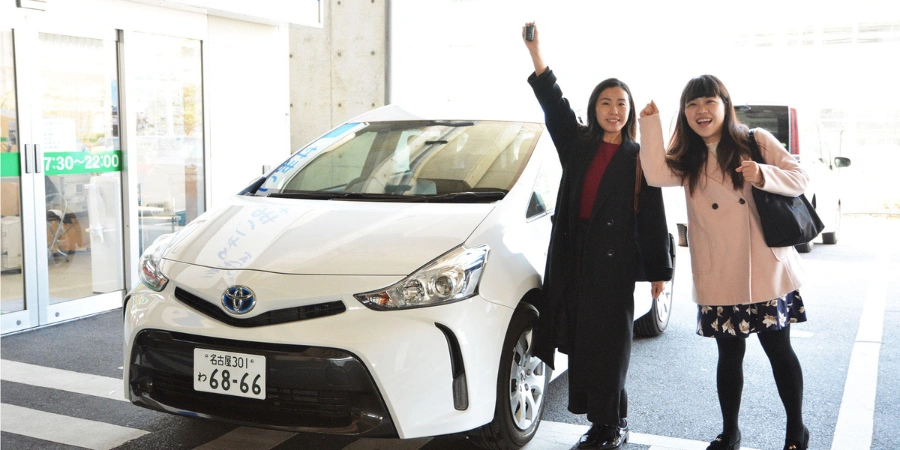
The big four — Toyota Rent‑a‑Car, Nippon Rent‑A‑Car, Times Car and Orix — all maintain 24‑hour counters at New Chitose Airport and satellite depots at Sapporo, Otaru and Asahikawa stations. Their fleets include kei cars, compact saloons, estates with built‑in ski racks and hybrid SUVs.
Smaller regional players such as NicoNico or Sky Rent A Car occasionally undercut the majors by 10–15 per cent, but English‑language GPS units, child seats and ETC toll cards are not always guaranteed. Check whether winter tyres, roof boxes or collision‑damage‑waivers (CDW) attract an extra daily fee before locking in that headline bargain.
Insurance: Home and Away
Japanese law bundles compulsory liability and property‑damage cover into every rental contract; the premium is invisible because the agency pays it upfront.
Should you bend a bumper, however, you may still owe a non‑operation charge of up to ¥50,000 and face excesses running to ¥100,000 for your own vehicle.
Many companies sell a Zero‑Deductible or NOC Waiver add‑on for about ¥1,500 per day that erases these bills. Before leaving home, check whether your travel‑insurance policy or credit‑card benefit reimburses car‑hire excesses overseas; if it does, you can decline some local upsells. Personal‑accident cover is usually optional because the national health system will treat emergency injuries regardless, but overseas visitors may prefer belt‑and‑braces reassurance.
What a Week on Four Wheels Really Costs
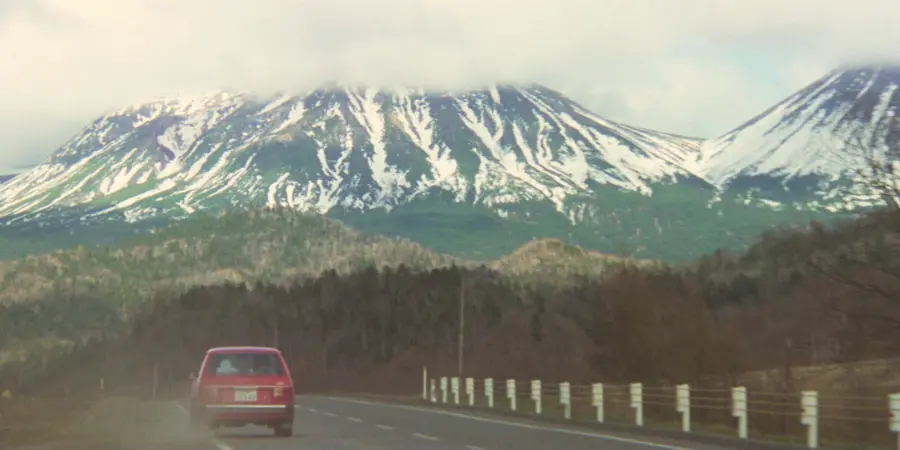
Japan‑Guide’s latest survey pegs sub‑compact kei cars at ¥5,000 per 24 hours and standard compacts at about ¥7,500, rising to ¥10,000 for mid‑sized saloons.
In Hokkaido, winter surcharges add roughly 10 per cent, and AWD wagons command a further premium. Factor in ¥4,000 for the optional excess waiver, ¥2,800 for an ETC toll card rental and at least ¥6,000 in fuel if you clock 600 kilometres. The result: around ¥50,000–¥70,000 (£260–£365) for a snow‑ready compact over seven days — still modest compared with a week of rail passes for two adults.
The Tricky Bits of Driving in Japan

Driving in Japan is a rewarding way to explore the countryside, but it comes with a few quirks worth knowing before you hit the road. Here are the essentials for a safe and stress-free journey:
Left‑side traffic and right‑hand steering make the transition easy for UK motorists, but roundabouts are rare and priority rules hinge on who reaches an unsigned junction first, so slow to a crawl in residential grids.
Road signs display Latin letters under kanji, yet car parks often hide their fee boards until the barrier lifts; always check the per‑hour ceiling (上限) before you commit.
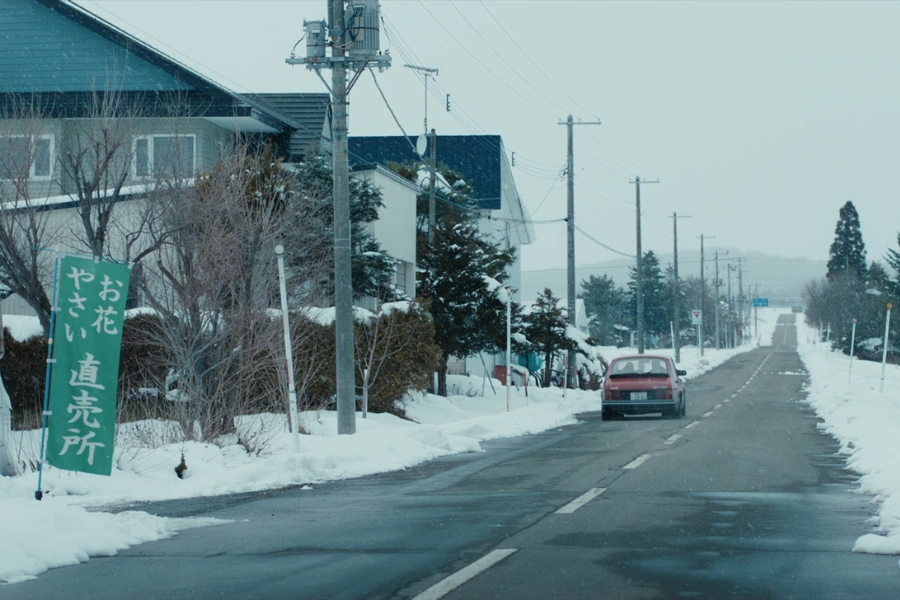
Snow and ice are your main adversaries. Hokkaido mandates winter tyres from November to April and Toyota Rent‑a‑Car confirms they are fitted as standard, but black ice still forms after sunset and crosswinds whip snowdrifts across open plain roads. Keep a longer stopping distance than you would on the M1.
Tolls and ETC cards make expressways painless. Some agencies fit the electronic reader but expect you to supply your own credit‑loaded card; others rent one for a flat ¥330‑per‑day fee and charge tolls on return. Service areas surprise first‑timers with Michelin‑grade ramen and vending machines that vend hot corn soup. They are also the only spots to bin rubbish legally, so empty your footwells.
Speed limits are tame: 100 km/h on expressways, 60 km/h on standard roads and an unposted 40 km/h in built‑up areas. Fines start at ¥9,000 for 15 km/h over and escalate to licence points and instant bans.
Drink‑drive rules set the blood‑alcohol ceiling at 0.03 per cent, roughly half the English limit. Even minor infringements carry fines north of ¥500,000 and possible deportation.
Road‑Trip Wisdom for Peace of Mind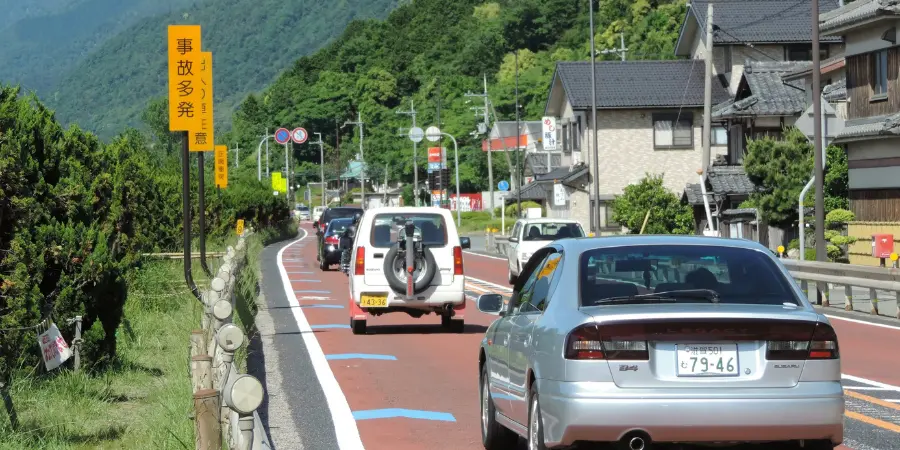
Reserve at least three weeks ahead for peak ski season and Golden Week; supply can halve overnight after a fresh snowfall forecast. Collecting your vehicle at New Chitose is quicker than downtown, as airport depots process paperwork in batch shuttle buses.
Always photograph dents, dings, and wheel scuffs before leaving the car park, and set your sat‑nav to mapcode mode—Japanese postcodes cover huge rural zones, whereas a seven‑digit mapcode lands you at the exact dairy farm you crave.
For smooth navigation, especially when driving in remote areas, consider installing Google Maps and pairing it with a Jetpac eSIM. It gives you instant, reliable mobile data without the need for a local SIM—perfect for on-the-go reroutes and keeping travel stress-free. For more information on what other apps to take with you to Japan, read here.
Cash remains useful: many village petrol pumps accept only Japanese cards, and coin‑operated car parks swallow ¥100 pieces like sushi rice.
Final Verdict
A rental car grants you the freedom to chase storms, tiptoe through flower fields at sunrise and linger over seafood donburi without consulting train timetables. Costs are reasonable once split between passengers, insurance is straightforward if you know your excesses, and the paperwork boils down to a passport, an IDP and the rental desk’s multilingual cheat sheet.
If you would rather sit back and gaze at birch forests flashing by the carriage window, rail and bus passes keep the adventure alive — but they will never let you pull over at an empty caldera when the first cranes of dawn skim the lake’s surface. Whichever route you choose, carry patience, layers and a hearty appetite: Hokkaido repays curiosity kilometre by kilometre.
AloJapan.com