
living modernity: architectural experiments from 1920s-1970s
The 20th century saw an unprecedented shift in how architects approached domestic space, moving beyond stylistic consideration to reimagine the home in response to evolving social, technological, and material realities. Architects like Ludwig Mies van der Rohe, Le Corbusier, Lina Bo Bardi, and Frank Gehry were at the forefront of this movement, sought to reshape the very nature of living itself. The exhibition LIVING Modernity: Experiments in the Exceptional and Everyday 1920s-1970s, currently on view at Tokyo’s National Art Center, examines how architects across the globe reexamined the fundamentals of modern life — its challenges and possibilities — to improve functionality, artistry, and comfort in design. The exhibition explores the transformations of this period through seven key themes — hygiene, materiality, windows, kitchen, furnishings, media, and landscape — looking at how they shaped physical spatial forms and the ways in which people experienced and interacted with them.
As the show highlights across models, archival images, and architectural drawings, much of modernist housing from this period and was conceived as a response to multiple, sometimes competing, elements. Industrialization and mass production brought about new materials like reinforced concrete, steel, and glass, which allowed for radical spatial innovations such as open-plan layouts, expansive windows, and cantilevered structures that defied traditional constraints. At the same time, architects adopted context-first approaches as they sought to create homes attuned to their specific climates and cultures, and the family dynamics and characters of their individual residents. This dual impulse, toward universality and locality, defined the period’s most experimental developments, exemplified by structures such as Louis Kahn’s Fisher House in Pennsylvania and Alvar Aalto’s lakeside Murtala Experimental House in Finland.
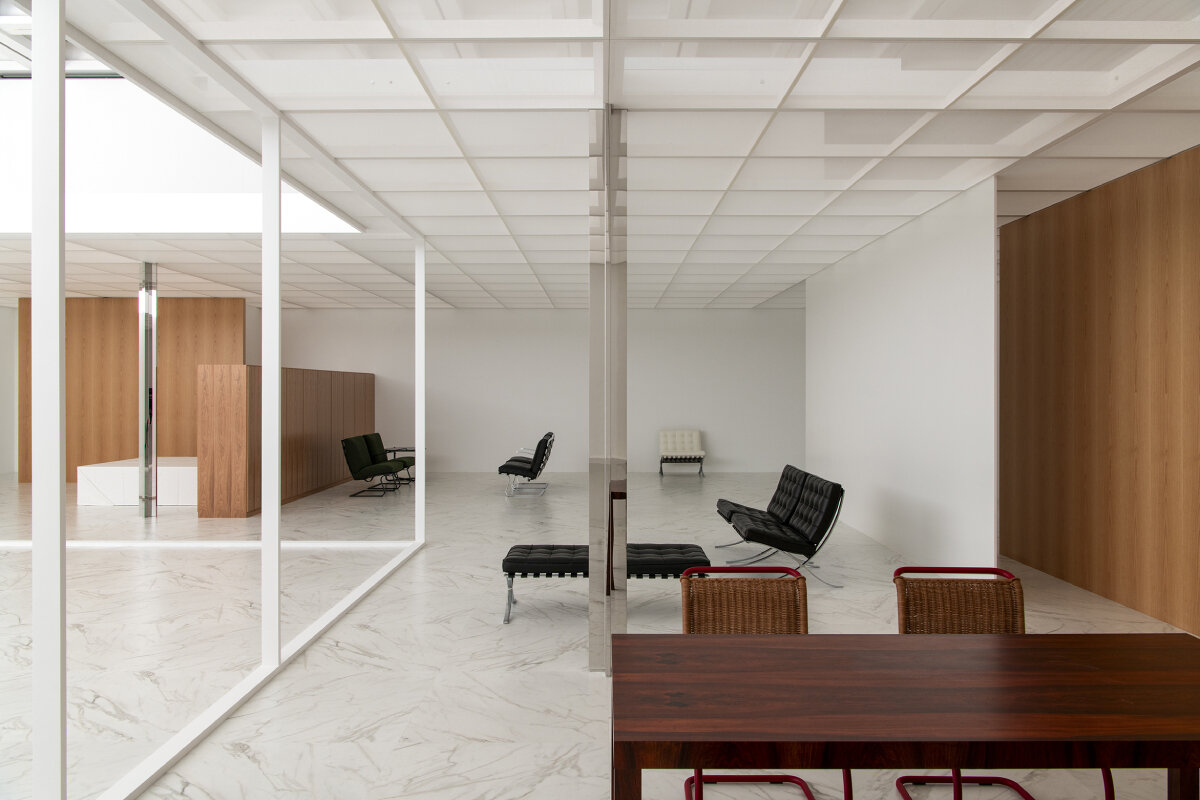
image courtesy of Kazuo Fukunaga
rethinking the home in the 20th century
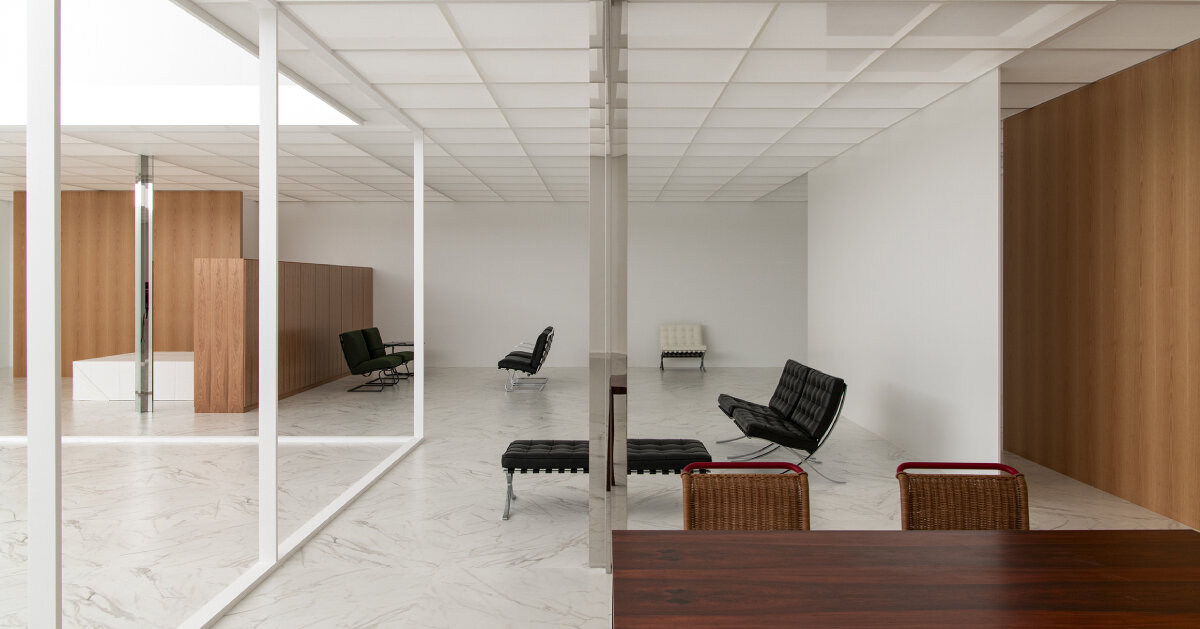
Many architects began approaching the house as a site for testing new ideas to examine how architecture and design could revolutionize daily life. Mies van der Rohe’s Row House project, partially reconstructed in the LIVING Modernity exhibition, exemplifies this experimental ethos. Designed in 1931 as part of his courtyard house series, the project reflects Mies’s lifelong exploration of spatial fluidity, characterized by walls dissolving into glass, and interiors and landscapes seemingly become one. Similarly, Lina Bo Bardi’s Casa de Vidro, completed 20 years later in Brazil, reinterprets modernist transparency within the dense tropical landscape, using elevated concrete slabs and vernacular materials to balance modernity with context.
Hygiene also became a central concern in the early 20th century as cities grappled with public health crises. Beyond its stylistic impact, the embrace of white surfaces, open-air balconies, and functionalist layouts thus seeped into architecture as a response to the need for cleaner, healthier living conditions. The kitchen, too, was no longer relegated to the back of the house, and instead it became an integrated, efficient space, influenced by designs like Margarete Schütte-Lihotzky’s Frankfurt Kitchen, a precursor to modern modular kitchen systems realized in 1926. With the rise of industrial materials, architects embraced steel, concrete, and glass for lighter construction, allowing for larger spans, thinner walls, and an overall sense of spatial freedom. Alongside this technological progress, many architects also reexamined traditional materials and their role in contemporary housing. Wood, tiles, and textiles were adapted to fit the modern aesthetic, with craftsmanship adapting to new functional demands.
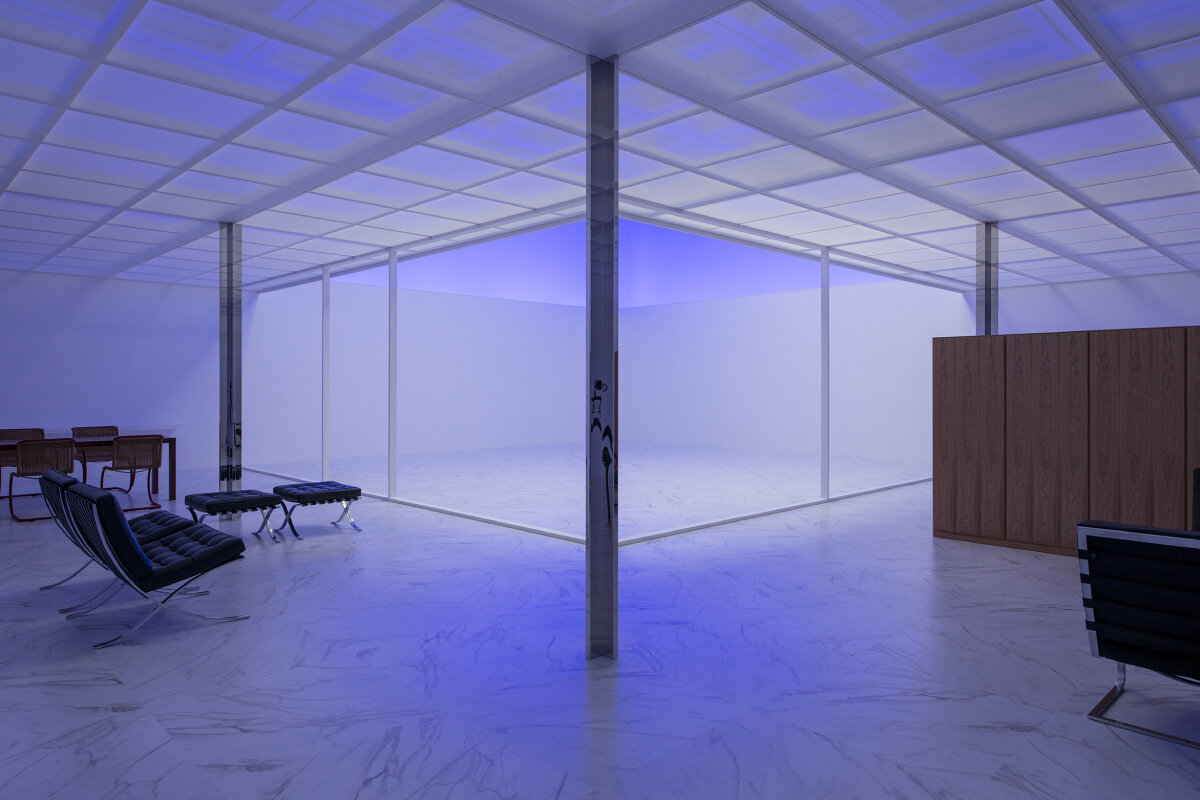
image courtesy of Kazuo Fukunaga
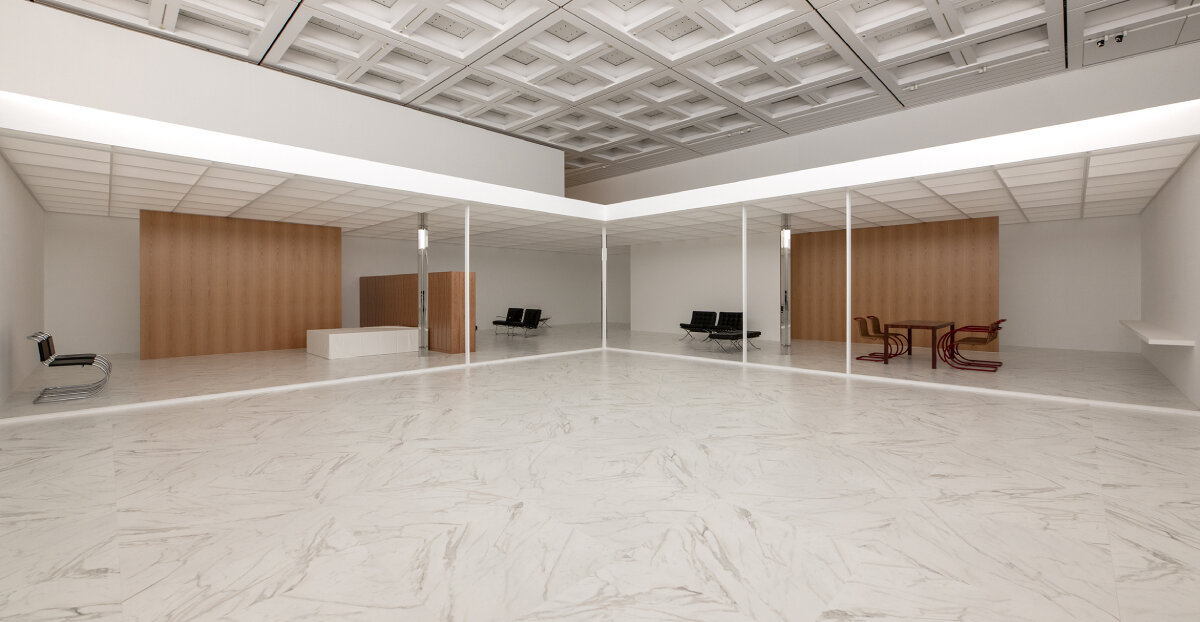
image courtesy of Kazuo Fukunaga
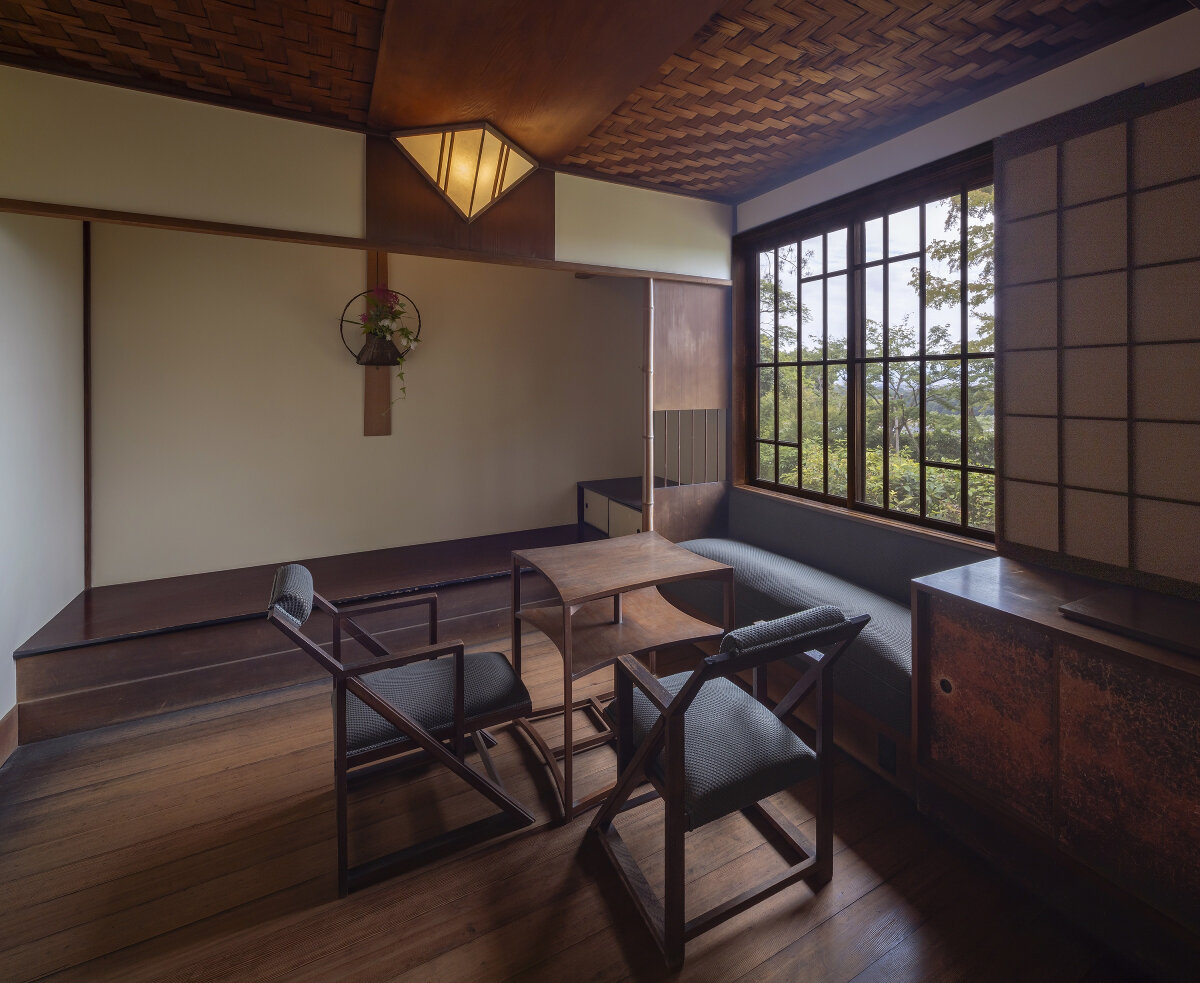
Kōji Fujii, Chochikukyo, 1928 | image courtesy of Taizō Furukawa
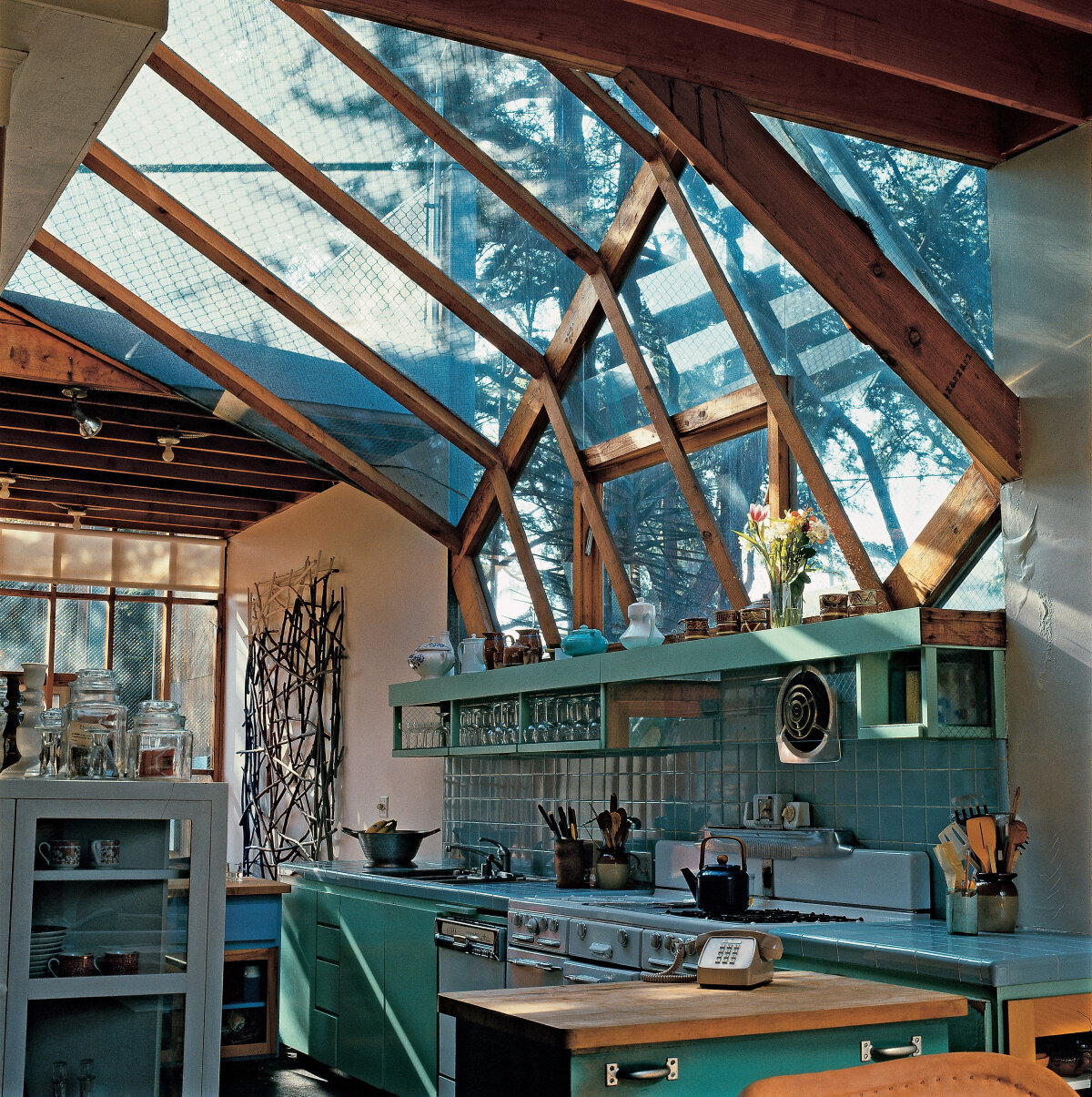
Frank Gehry, Frank & Berta Gehry Residence, 1978 | image © Frank O. Gehry. Getty Research Institute, Los Angeles
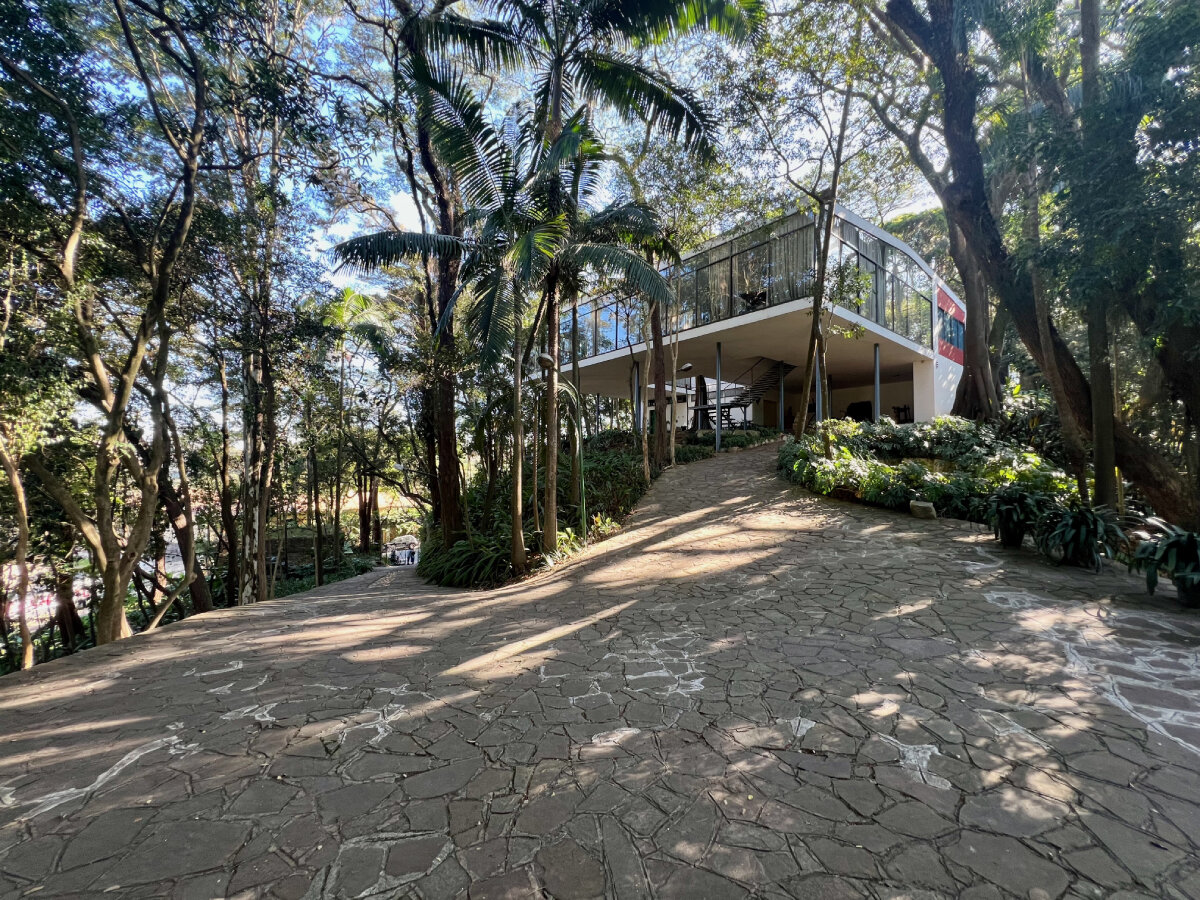
Lina Bo Bardi, Glass House, 1951
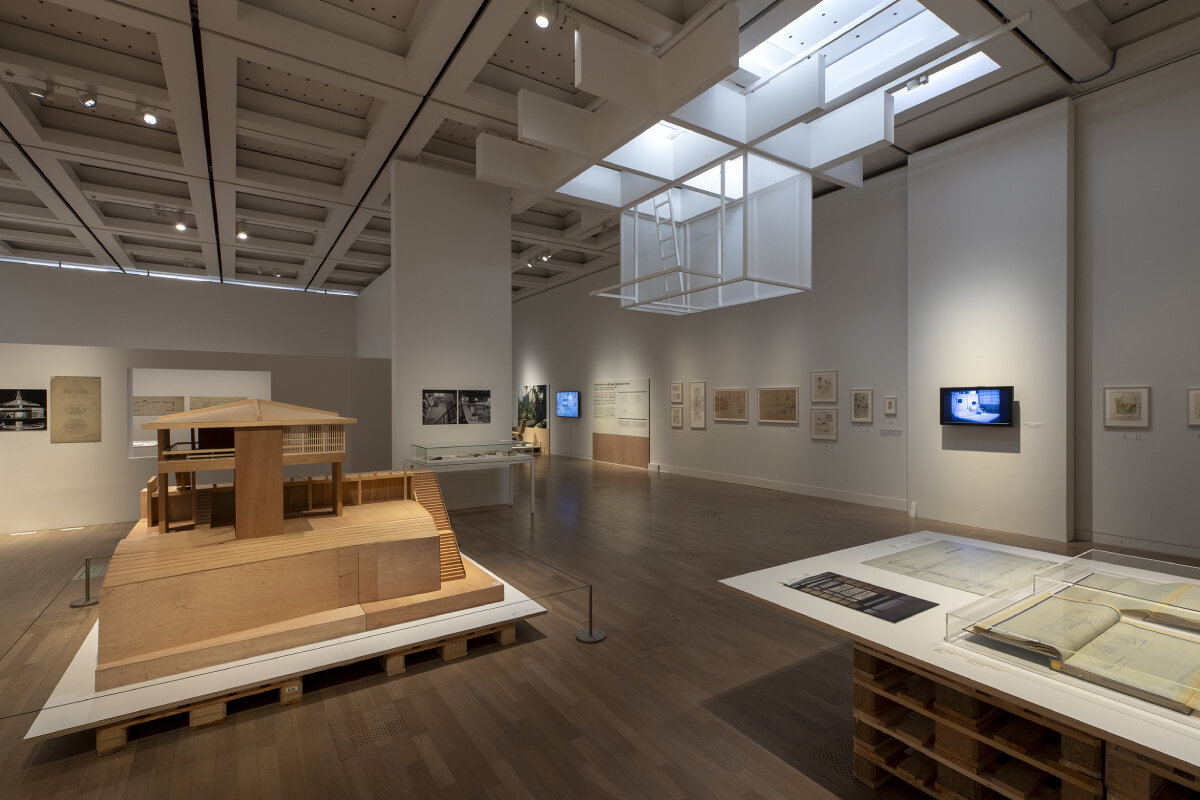
image courtesy of Kazuo Fukunaga
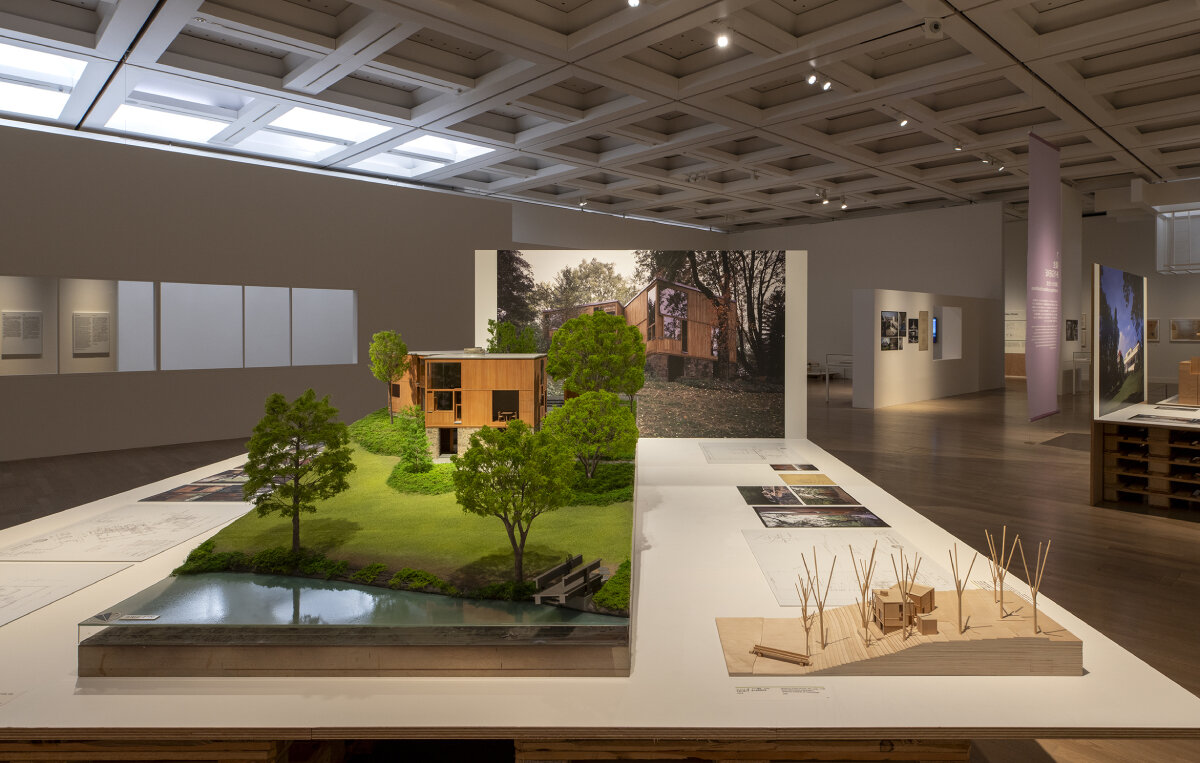
image courtesy of Kazuo Fukunaga
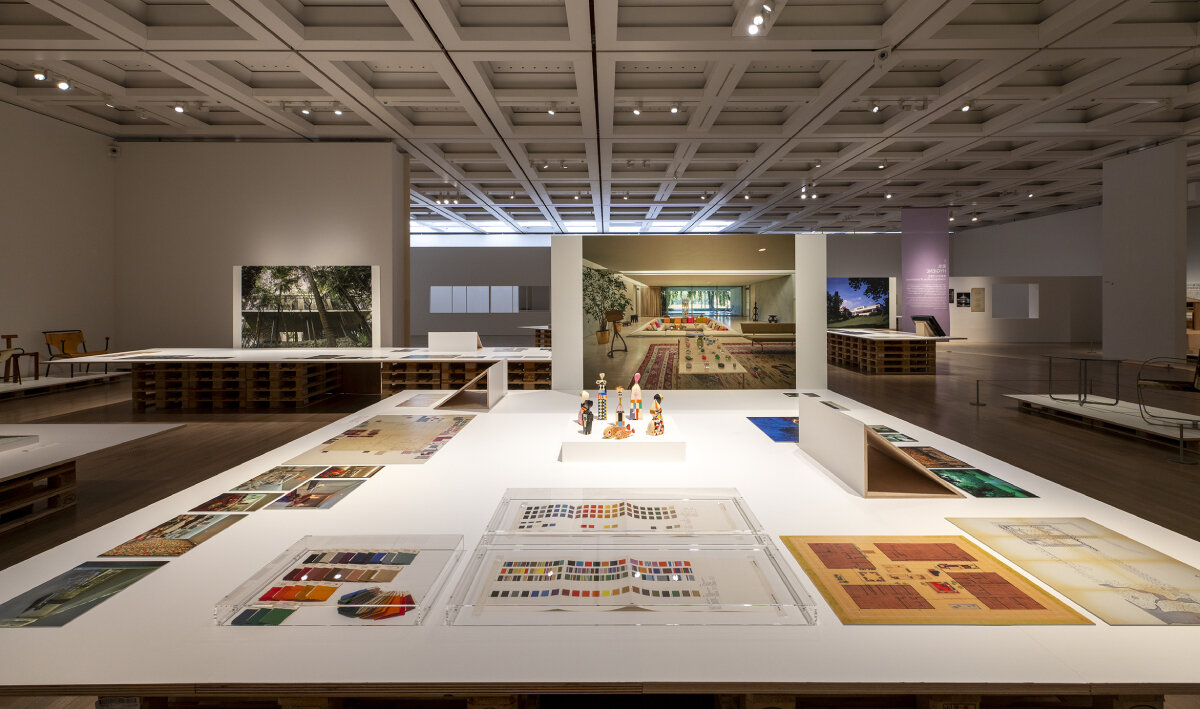
image courtesy of Kazuo Fukunaga
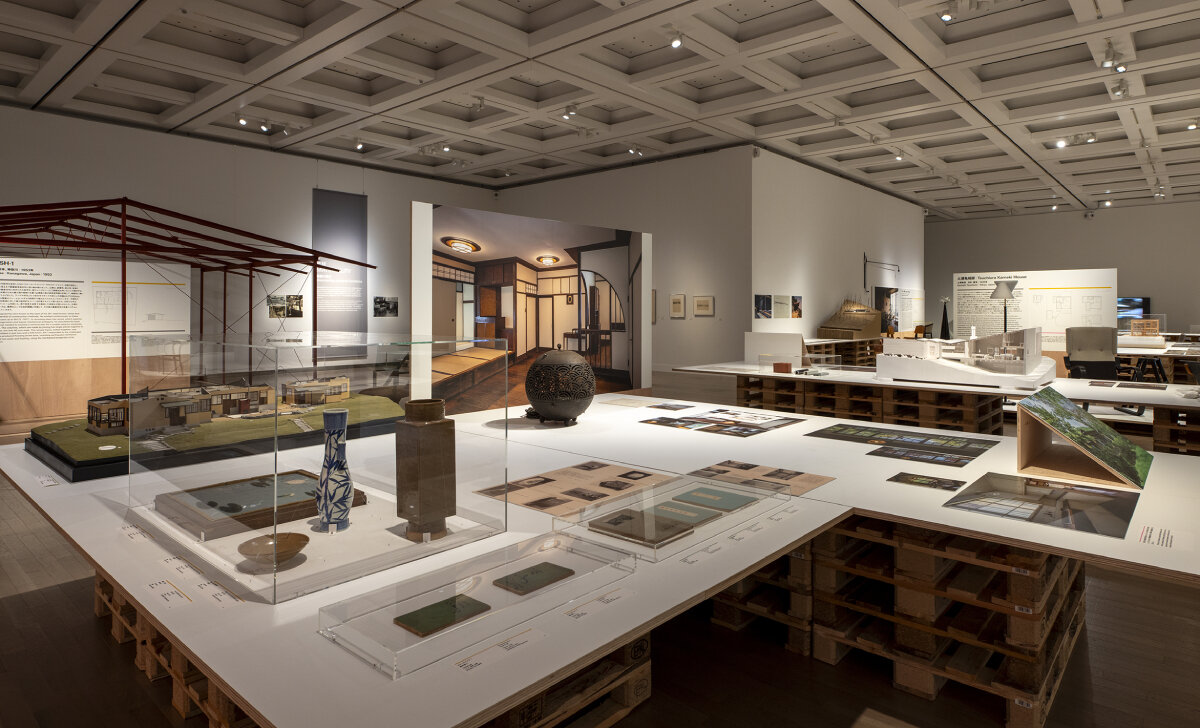
image courtesy of Kazuo Fukunaga
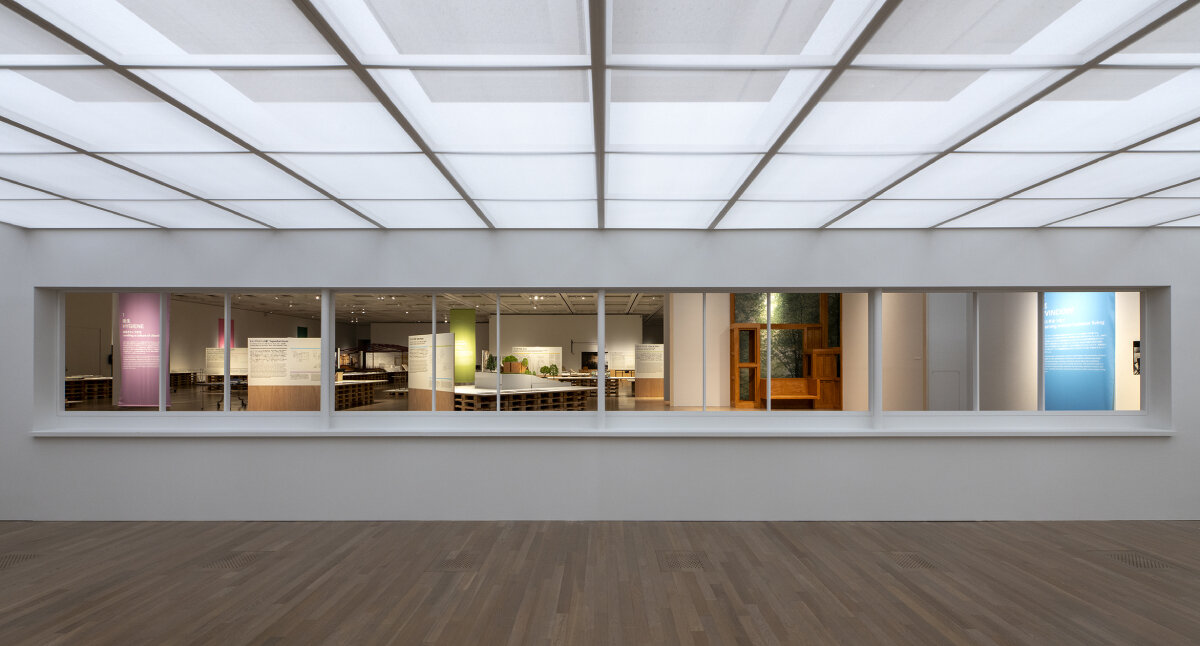
image courtesy of Kazuo Fukunaga
AloJapan.com